16 Vintage Living Room Ideas With Lasting Style
There is something a vintage living room does that no amount of carefully curated new furniture can replicate, and it has to do with the presence of objects that have genuinely existed in the world for a long time, that carry the evidence of previous lives in their surfaces and their forms, that communicate a sense of continuity and depth that newly manufactured things simply do not possess. A vintage living room is not a room that looks old. It is a room that feels layered, that rewards close attention, that tells stories through the objects it contains and the way those objects relate to each other. It is one of the most personal and most genuinely beautiful domestic spaces available, and it is more accessible than most people assume.
The misconception about vintage living rooms is that they require either a large budget for genuinely valuable antiques or an aesthetic tolerance for the threadbare and the musty that most people understandably do not have. Neither is true. The best vintage living rooms are assembled over time from objects found in charity shops, estate sales, antique markets, and online vintage platforms, chosen not for their monetary value but for their visual beauty, their material quality, and the quality of attention and care that their making represents. These sixteen ideas cover every dimension of the vintage living room, from the furniture forms to the textiles to the accessories and the color palette that makes everything work together.
1. Start With One Genuine Antique Piece
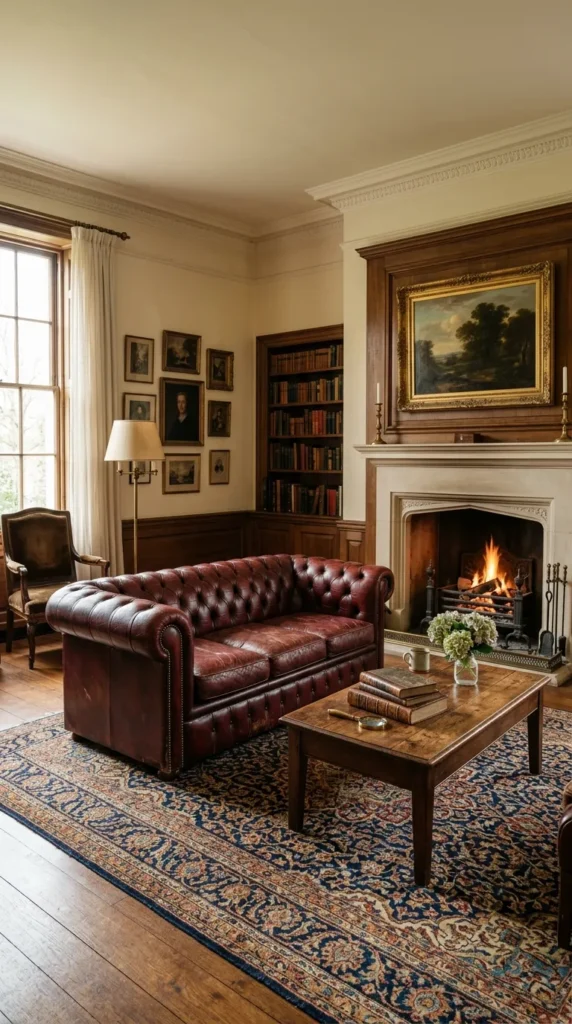
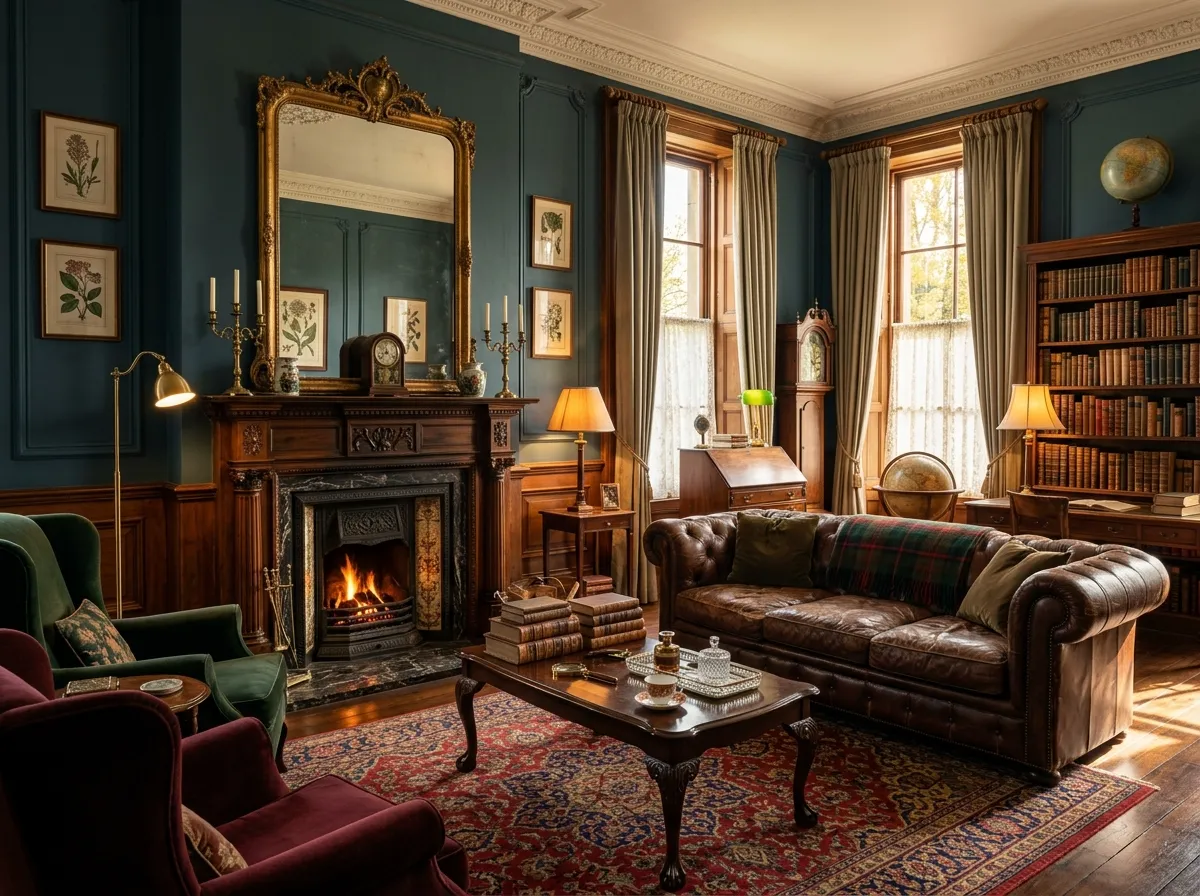
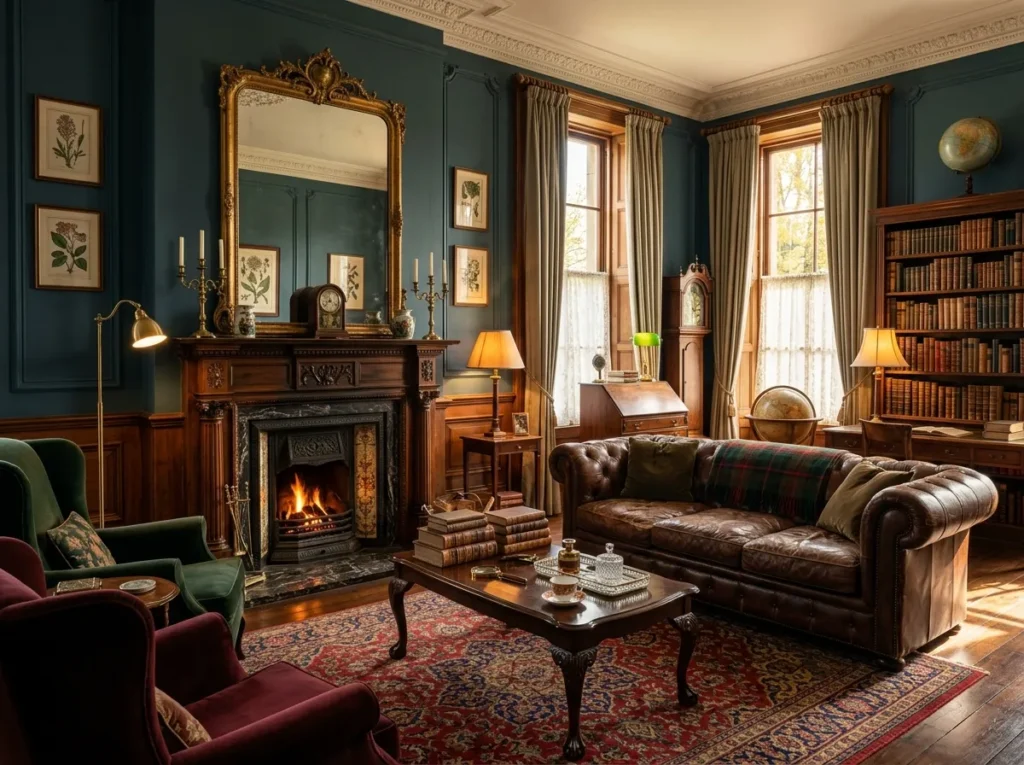
The most reliable way to give a living room genuine vintage character is to anchor it with one piece of furniture that is genuinely old, genuinely well made, and genuinely beautiful in a way that communicates its age and its history rather than concealing them. A Victorian chesterfield sofa with its original buttoned leather, worn to a warm patina in the places where generations of people have sat. A Georgian side table whose proportions and joinery details reflect a standard of craft that contemporary furniture manufacturing rarely approaches. A mid century armchair in an original fabric whose color has softened over decades into something more beautiful than it was when new. Any of these single pieces creates a quality of genuine vintage presence in a living room that no collection of reproduction vintage furniture can match.
Finding a genuinely good antique piece for a living room requires patience and a willingness to look in places that yield treasures inconsistently. Estate sales and house clearances are the best sources for furniture pieces at prices that reflect their availability rather than their rarity, because the people selling them are motivated by practicality rather than profit. Antique markets and fairs offer a more curated selection at correspondingly higher prices but with the advantage of being able to assess pieces in person with time and without pressure. Online platforms extend the search to a much wider geographic area and often yield extraordinary finds at modest prices, with the caveat that buying furniture online without seeing it in person carries the risk of disappointment when pieces arrive in condition different from what photographs suggested.
2. Choose Warm Rich Paint Colors
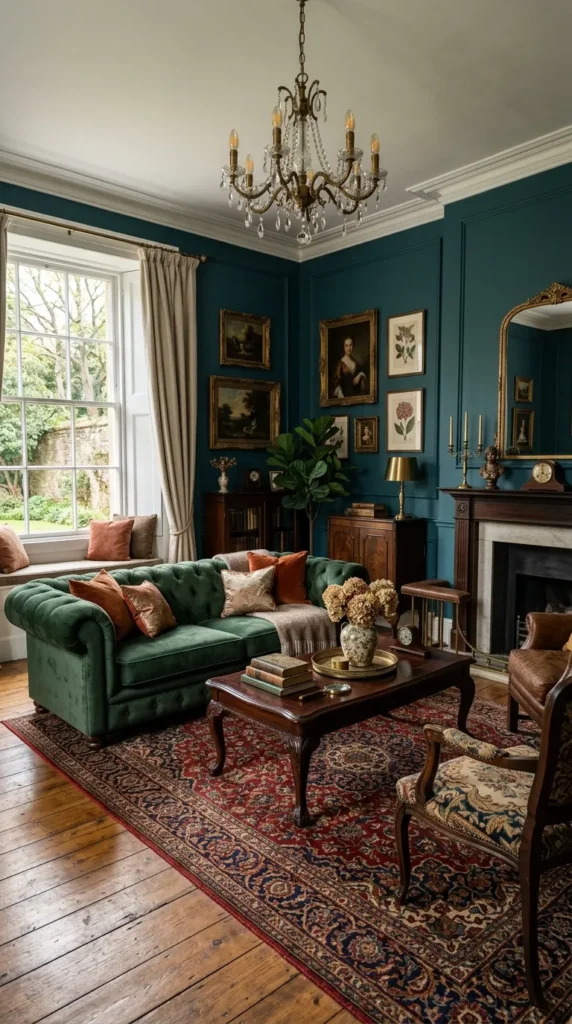
The color palette of a vintage living room is drawn from the rich, warm, slightly complex tones that characterized interior decoration in the periods from which vintage furniture and accessories most commonly come. Deep teal, warm terracotta, dusty rose, faded sage green, warm burgundy, tobacco brown, aged gold, these are the colors that create the atmospheric quality of warmth and depth that vintage living rooms are celebrated for and that the pale neutral palettes of contemporary interiors cannot approach. These colors were not chosen arbitrarily. They reflected an understanding of how artificial light, which in earlier periods came from candles and gas lamps and early electric bulbs, interacts with warm pigments to create an evenings atmosphere of extraordinary richness and beauty.
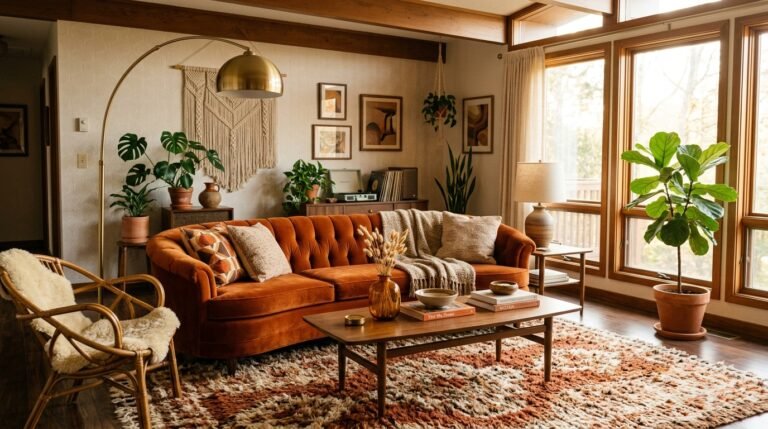
The application of a rich, warm color in a contemporary living room that wants vintage character works best on a single wall or in a specific zone rather than throughout the entire room, unless the room receives strong natural light that can handle the light absorbing quality of deep color without the space becoming dark and oppressive. A deep teal or dusty rose on the chimney breast wall, with the remaining walls in a warm white or pale neutral that coordinates with the feature color, creates the atmospheric depth of a vintage palette without committing the entire room to a dark scheme that might work beautifully in the evening and feel less comfortable during the day. Use the warm feature color as the starting point for every other color decision in the room, choosing textiles and accessories that relate to and enhance it rather than competing with it.
3. Layer Patterned Textiles
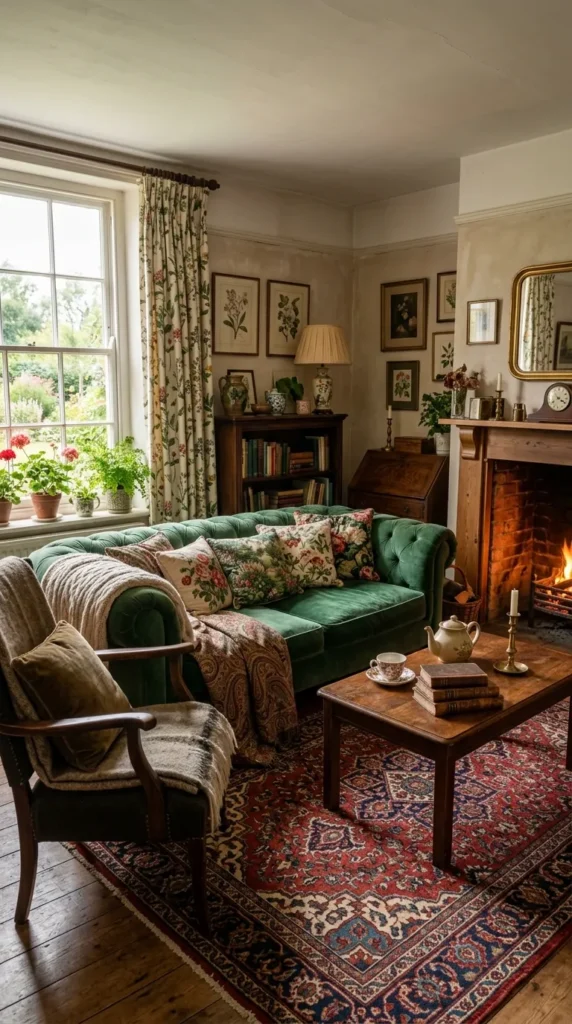
The textiles of a vintage living room are one of its most distinctive and most immediately recognizable characteristics, and they are also one of the most accessible ways to bring vintage character into a room that is otherwise relatively contemporary. Vintage and vintage inspired textiles, floral chintzes, geometric kilims, faded Persian patterns, botanical prints on linen, William Morris inspired weaves, all of these patterns carry the visual language of their periods of origin in a way that immediately communicates age and history to anyone who sees them. Layering several of these patterns together in a single living room creates the richly complex textile environment that characterizes the best vintage interiors.
The art of layering patterned textiles without creating visual chaos lies in managing the scale and the tonal relationship between the different patterns. A large scale floral on the sofa cushions, a medium scale geometric on a throw, a small scale all over pattern on a pair of armchairs, all in colors drawn from the same warm palette, creates a textile composition of considerable richness that reads as considered rather than random because the patterns relate to each other through their shared tonal family even as they differ in scale and motif. The rug anchoring the seating area can carry its own pattern, a faded Persian or a flat weave kilim, provided its tones are drawn from the same warm family as the other textiles in the room.
4. Incorporate a Statement Fireplace
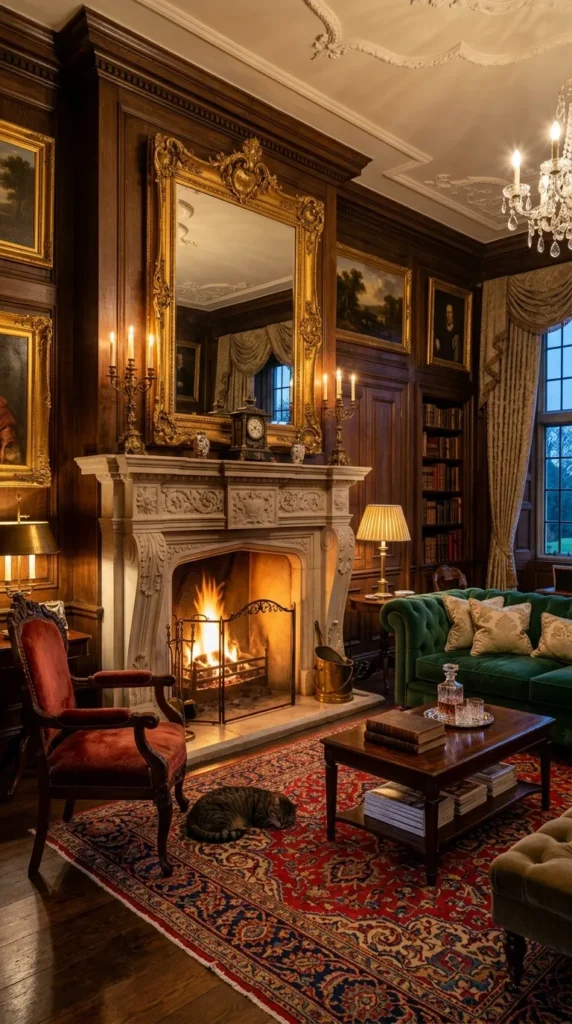
The fireplace is the architectural heart of the vintage living room in a way that no other element can replicate, and a room that has one should celebrate it rather than minimize it or treat it as merely a heat source. Vintage fireplaces in cast iron, in carved timber, in decorative tile, in ornate plasterwork, communicate the design values of their periods of origin with a clarity and a directness that is deeply satisfying. The mantelpiece above a vintage fireplace is the room’s primary display surface, the place where the objects that matter most to the household are arranged with genuine care and genuine intention.
Style the mantelpiece with the same philosophy that governs every other display surface in a vintage living room: choose objects with genuine beauty and genuine history, arrange them with deliberate asymmetry that creates visual interest without formal symmetry, and vary the heights and the scales of the objects so that the eye has somewhere to travel across the composition rather than reading it all at once. A large framed mirror above the mantelpiece reflects the room back into itself and doubles the apparent depth of the fireplace wall while adding a quality of luminous amplitude to the room’s overall light. Flank the mirror with a pair of candlesticks or wall sconces in a period appropriate finish and the fireplace wall becomes the living room’s most complete and most characterful design statement.
Create a warm, welcoming atmosphere with these 13 Rustic Living Room Ideas for timeless countryside charm.
5. Find Vintage Rugs at Markets
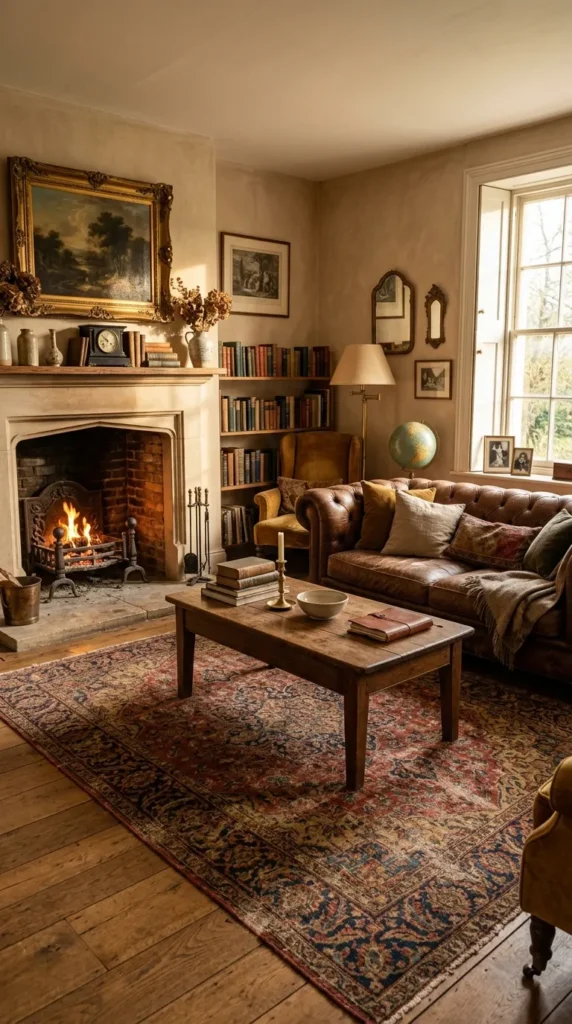
A vintage rug is one of the single most transformative things that can be added to a living room, and it is one of the most consistently available and most consistently underpriced categories of vintage object available to anyone willing to look for it. Handmade rugs from Turkey, Iran, Afghanistan, Morocco, and India, woven in the traditions of those countries over periods ranging from decades to centuries, are available at antique markets, estate sales, and online vintage platforms at prices that reflect the abundance of supply rather than the quality of the objects themselves. A genuinely handmade rug, however old or however faded, brings a quality of material richness and visual complexity to a living room floor that no contemporary rug regardless of its price can match.
The fading and wear that people sometimes treat as defects in vintage rugs are actually among their most beautiful qualities. A rug whose colors have been softened by decades of light exposure and use has a tonal subtlety and a material depth that the same rug in its original saturated colors would not possess. The worn pile in the areas of heaviest use creates a texture that reveals the rug’s structure and its history simultaneously. These qualities are not flaws. They are the evidence of a life genuinely lived, and they create a living room floor of authentic warmth and historical character that no new rug, however beautifully designed, can approach.
6. Display Collections With Intention
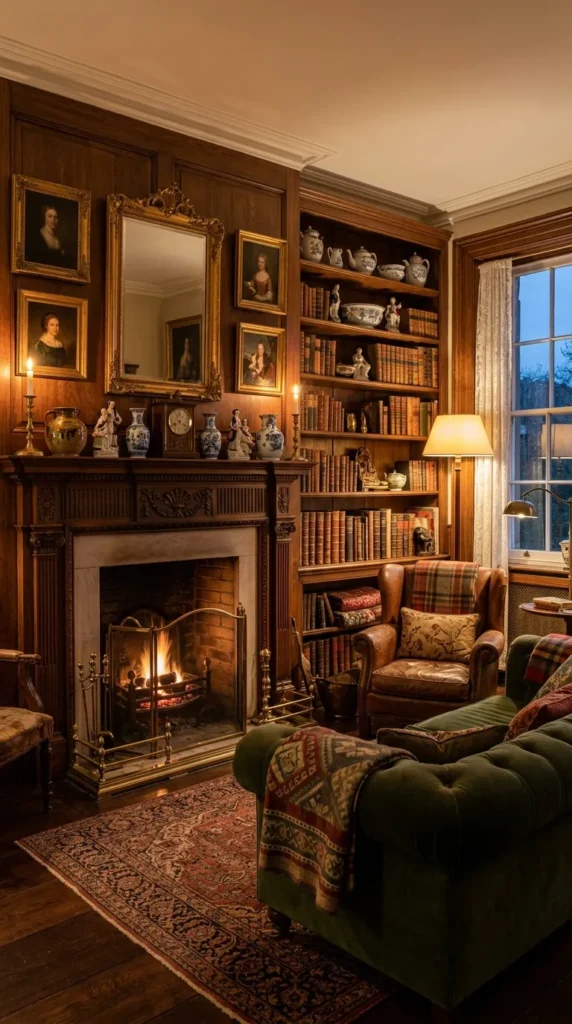
Collecting is one of the great pleasures of vintage living room design, and the display of a carefully assembled collection of related objects is one of the things that most clearly distinguishes a vintage living room from a contemporary one. A collection of blue and white transferware arranged on open shelves. A grouping of vintage botanical prints in mismatched gilt frames on a single wall. A collection of silver candlesticks of different heights and periods grouped on the mantelpiece. A gathering of vintage ceramic vessels in related earthy tones arranged on a coffee table. Each of these collections communicates a specific aesthetic sensibility and a specific history of accumulation that gives the room a quality of genuine personal character.
The display of a collection in a living room works best when it is organized around a consistent visual principle, whether that principle is color, material, form, or period of origin, rather than simply grouping all the collected objects together regardless of their relationship to each other. A collection of objects in related tones, all blue, all cream, all warm earthy browns, creates a display of visual coherence even when the objects themselves are of very different types and periods. A collection of objects in a consistent material, all silver, all ceramic, all timber, creates coherence through material identity rather than color. Whatever organizing principle is chosen, apply it consistently and the collection will read as deliberately assembled rather than accidentally accumulated.
7. Use Aged Mirrors to Add Depth
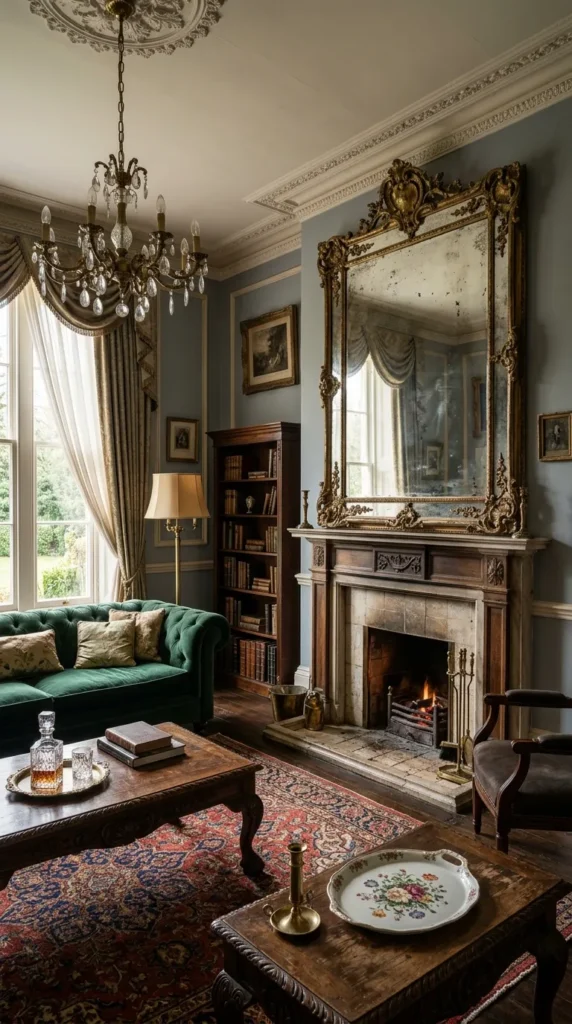
Aged mirrors, with their slightly foxed and slightly discolored reflective surface that reveals the patina of age rather than providing a perfectly clear modern reflection, add a quality of depth and atmosphere to a vintage living room that contemporary mirrors with their perfectly flat and perfectly clear glass cannot approach. The imperfection of the aged mirror surface creates a reflected image that is slightly softened, slightly warmly tinted, slightly different from the direct view of the room, and this difference creates a quality of visual mystery and depth that makes the room appear simultaneously more complex and more beautiful than it does without the mirror.
Aged mirrors are available in a wide range of sizes and frame styles from antique dealers, vintage markets, and specialist mirror restorers, and they can also be created by applying an aging treatment to the back of contemporary mirror glass using chemical processes that create a similar surface patina to genuine age. A large aged mirror above the fireplace creates the most dramatic and most classically vintage application of this element. A collection of smaller aged mirrors in different frame styles grouped on a wall creates a more eclectic and more visually complex version of the same quality. Either approach adds a layer of atmospheric depth to the living room that is very difficult to achieve through any other single element.
8. Choose Velvet and Brocade Upholstery
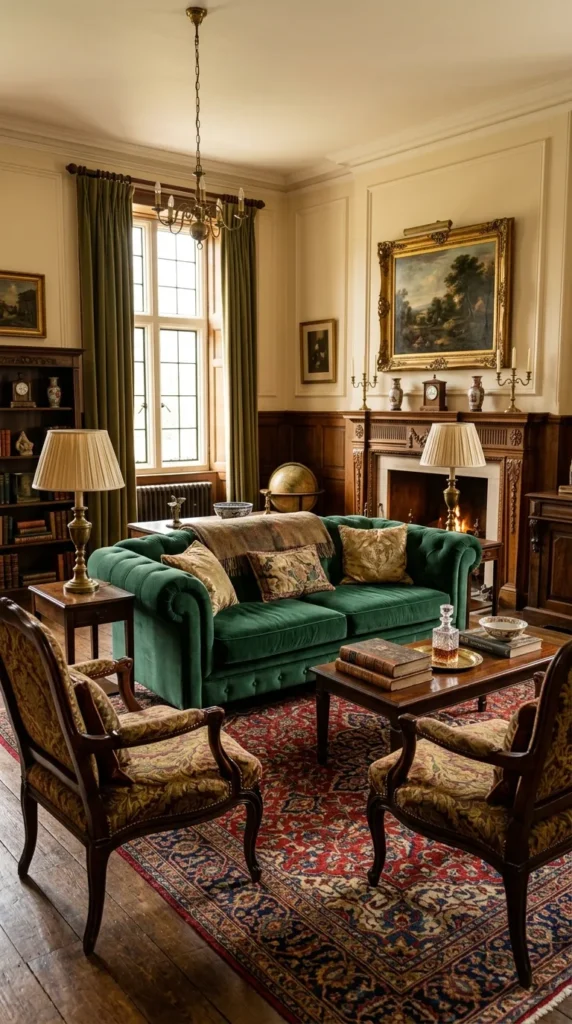
The upholstery fabrics that most completely capture the character of vintage living rooms are those with surface richness and visual depth, velvet with its pile that catches and reflects light in multiple directions simultaneously, brocade with its woven pattern of raised and recessed surfaces, cut velvet with its combination of pile and flat ground creating complex surface patterns, and damask with its reversible woven pattern of contrasting satin and matte surfaces. All of these fabrics communicate a specific quality of material investment and decorative intention that plain woven fabrics do not, and their presence in a living room creates an immediate sense of considered, historically informed decoration.
Velvet in deep warm tones, forest green, midnight blue, warm burgundy, dusty rose, creates upholstery of extraordinary visual richness that suits vintage living rooms of every period and every style from Victorian to mid century. Brocade in a traditional floral or geometric pattern creates a more specifically period reference that suits formally decorated vintage rooms. The practical concern about velvet and brocade in a family living room is their sensitivity to crushing, staining, and pet hair, and these concerns are real but manageable with the right cleaning approach and the right fabric weights. Performance velvet, engineered for durability and cleanability while maintaining the visual and tactile qualities of the genuine article, makes these beautiful fabrics accessible in living rooms that see genuine daily use.
9. Install Picture Rail Molding
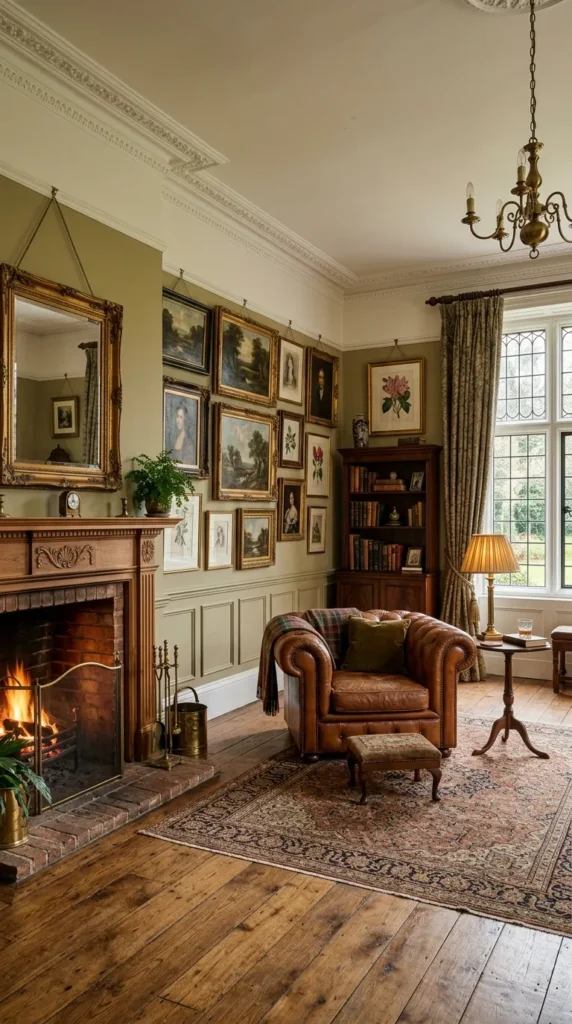
Picture rail molding, the narrow horizontal molding installed near the ceiling from which pictures are hung on cords or chains, is one of the most practically useful and most visually characteristic elements of period domestic architecture and one that makes an immediate and significant contribution to the vintage character of a living room when installed in a room that currently lacks it. The picture rail creates a visual boundary between the upper wall and the ceiling that gives the room a quality of architectural completion and vertical proportion that rooms without it typically lack, and it provides a flexible picture hanging system that allows art to be repositioned without making new holes in the wall every time the arrangement changes.
Installing picture rail molding in a contemporary room is a straightforward plastering and painting task that most skilled decorators can complete in a day. Choose a molding profile that suits the room’s scale and its vintage period reference, a simple half round profile for a modest domestic room, a more elaborate ogee or ovolo profile for a room that wants a more formally Victorian or Edwardian character. Paint the picture rail in the same color as the ceiling rather than the walls to visually extend the ceiling downward and create the proportionally correct relationship between the wall and ceiling zones that period rooms exhibit. Hang pictures from the rail on brass hooks and natural cord or brass chain rather than contemporary picture wire for the most authentic and most beautiful result.
10. Create a Reading Corner With Vintage Pieces
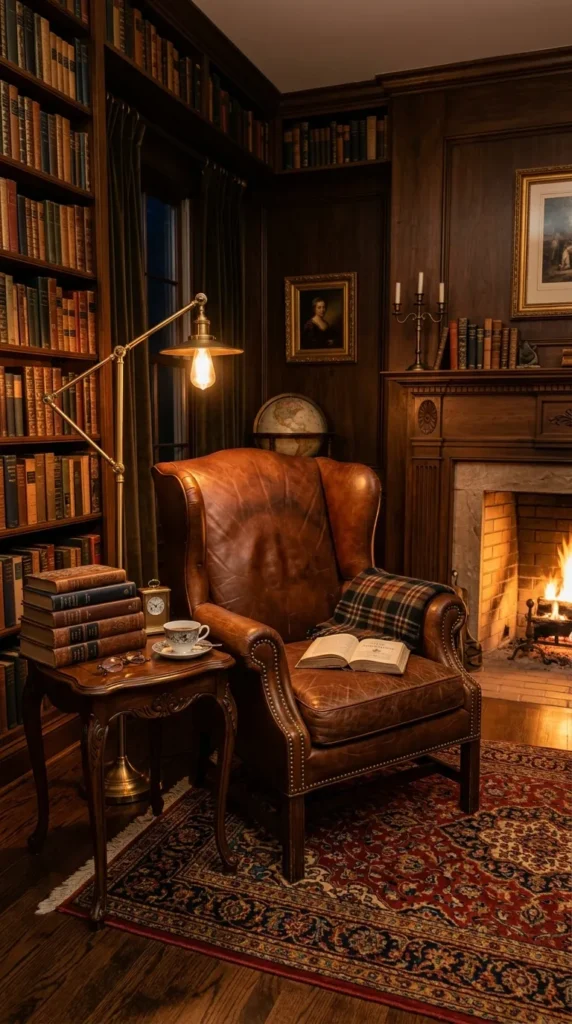
A reading corner assembled from vintage pieces, a leather wing chair with worn armrests, a small drum table holding a pile of books and a vintage lamp, a needlepoint footstool for feet, a small bookcase overflowing with paperbacks, creates a zone of extraordinary domestic warmth and personal character within the living room. The reading corner in a vintage living room is not a designed vignette. It is an accumulation of genuinely comfortable and genuinely beloved objects that have found their way into one corner of the room because that is where the light is best and where the atmosphere of accumulated objects creates the particular quality of ease and absorption that reading requires.
The vintage leather wing chair is the centerpiece of the reading corner and the object most worth investing in finding genuinely rather than settling for a reproduction. A genuine vintage wing chair in original leather, however cracked and however darkened by decades of use, has a quality of physical presence and tactile warmth that reproduction versions in new leather or synthetic upholstery do not possess. The worn leather has been softened and shaped by the bodies of the people who sat in it before you, and this quality of use is not a flaw but a gift, a chair that fits a human body naturally because it has been shaped by human bodies over time.
11. Hang Vintage Art and Illustrations
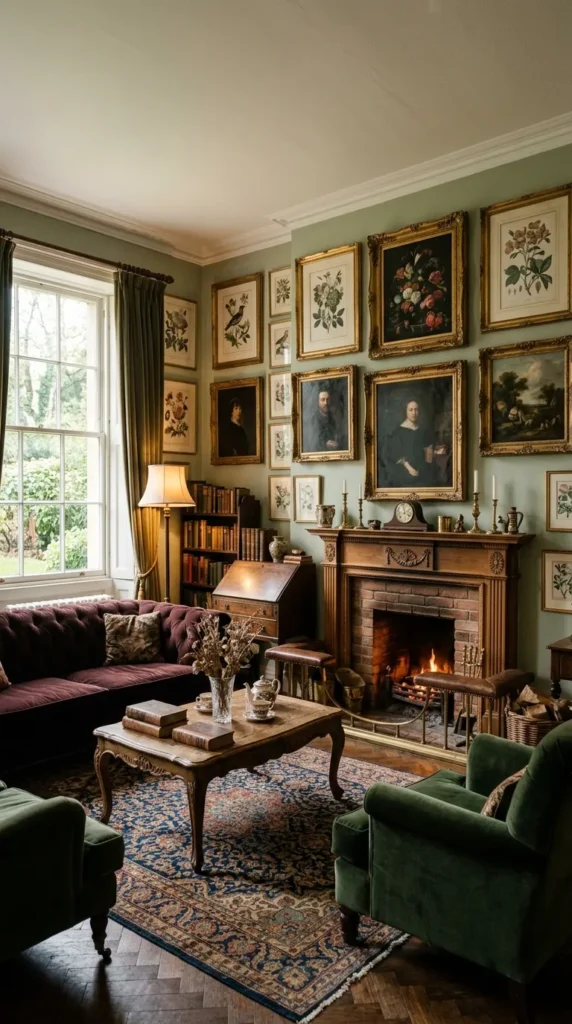
The art on the walls of a vintage living room is one of its most powerful contributors to overall character, and vintage art, whether genuinely old prints and paintings or contemporary work produced in vintage styles and periods, creates a quality of wall presence that contemporary art in a vintage room can struggle to achieve. Vintage botanical illustrations, maps from past centuries, fashion plates from historical magazines, portraits in ornate gilt frames, wildlife studies in the scientific illustration tradition of the eighteenth and nineteenth centuries, all of these carry the visual language of their periods of origin in a way that immediately enriches the walls of a vintage living room and creates a sense of accumulated history and aesthetic sensibility.
Genuine vintage prints and illustrations are available at very modest prices from antique markets, estate sales, charity shops, and online vintage platforms, because the supply is enormous and the competition for affordable examples is relatively limited. The frames are often as beautiful and as historically interesting as the prints themselves, and a good vintage frame with its original gilt or painted finish adds as much to the wall composition as the image it contains. Mix prints of different periods, different subjects, and different scales in a salon style hanging that covers a significant portion of one wall, and the resulting composition creates a wall of extraordinary visual richness and vintage authenticity that no carefully curated contemporary art display can replicate.
12. Use Antique Books as Decoration
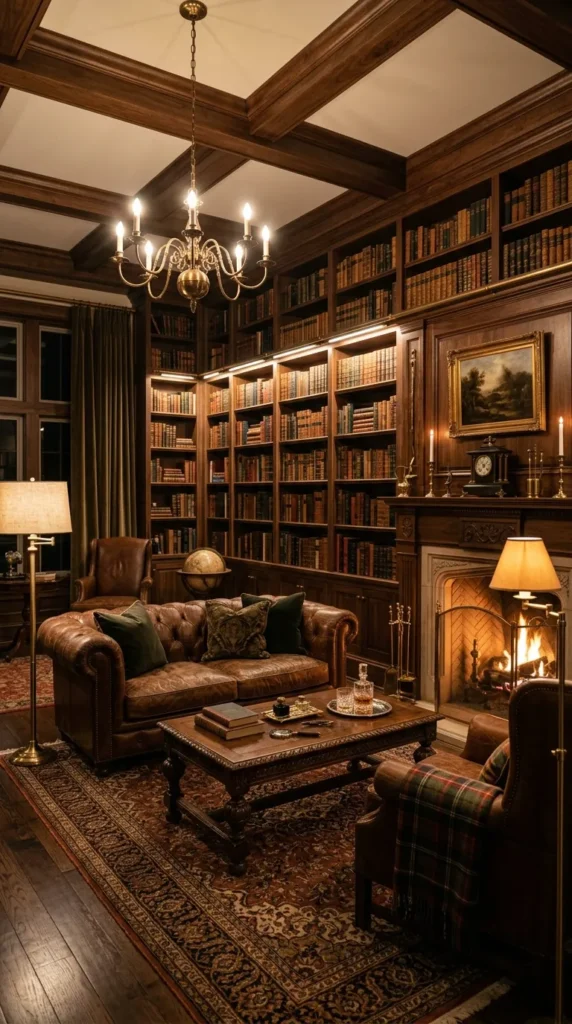
Books in a vintage living room are not simply stored on shelves for reading. They are objects of considerable visual beauty whose spines, colors, sizes, and accumulated presence create one of the most characterful and most warmly intellectual display possibilities available to any room. A shelf of antique books with their cloth and leather spines in faded warm tones, their varied heights and thicknesses creating an irregular and visually interesting shelf line, their gold lettered titles communicating the interests and the reading habits of previous owners, creates a display of genuine vintage character that no collection of contemporary books in their bright modern jackets can approach.
Antique books are available in enormous quantities at very low prices from the same sources that yield other vintage finds, estate sales, charity shops, secondhand bookshops, and online platforms. They do not need to be rare or valuable to be visually beautiful. A collection of Victorian novels in their original cloth bindings, a row of Edwardian natural history books with their illustration plates, a shelf of mid century reference books in their faded dust jackets, all create the same quality of warm, intellectual vintage character regardless of their monetary value. Arrange books on shelves with a mixture of upright and horizontal stacking, using horizontally placed books as platforms for small objects, plants, and ceramic vessels that break the purely bibliographic quality of the display and create a shelf composition of genuine variety and visual interest.
Love soft, romantic interiors? Explore 14 Cottagecore Living Room Ideas for cozy decorating inspiration.
13. Find Vintage Lighting
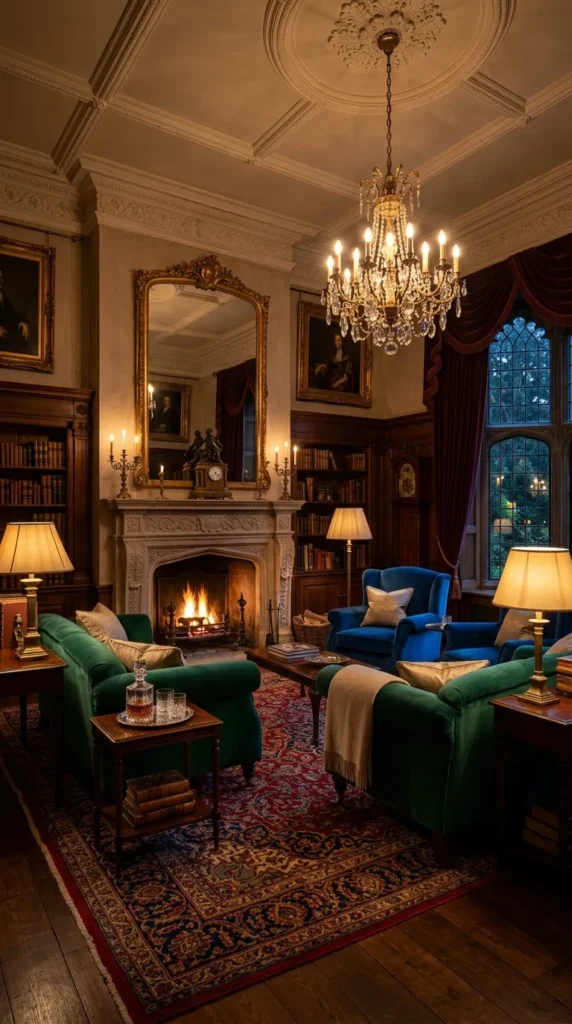
Vintage lighting is one of the most immediately impactful and most consistently underestimated elements of a vintage living room. The quality of light produced by vintage fixtures, from the warm glow of a silk shaded table lamp to the directional warmth of a brass pharmacy floor lamp to the decorative presence of a chandelier with glass or crystal drops, creates an atmospheric quality of illumination that contemporary lighting fixtures, however well designed, rarely match because they are optimized for light output and energy efficiency rather than for the specific qualities of warmth and shadow that create the atmospheric richness of vintage interior light.
Genuine vintage lighting fixtures from the Victorian period through the mid twentieth century are available from antique dealers and specialist vintage lighting suppliers who rewire them to contemporary safety standards. The rewiring investment is modest relative to the visual and atmospheric quality that a genuine vintage fixture adds to a living room. A Victorian oil lamp converted to electric use. A 1930s art deco table lamp with its original glass shade. A mid century floor lamp with a walnut standard and an original fabric shade. Any of these authentic vintage fixtures creates a quality of atmospheric light that transforms the living room’s evening character in a way that contemporary fixtures cannot replicate regardless of their technical sophistication.
14. Layer Vintage and New Pieces Confidently
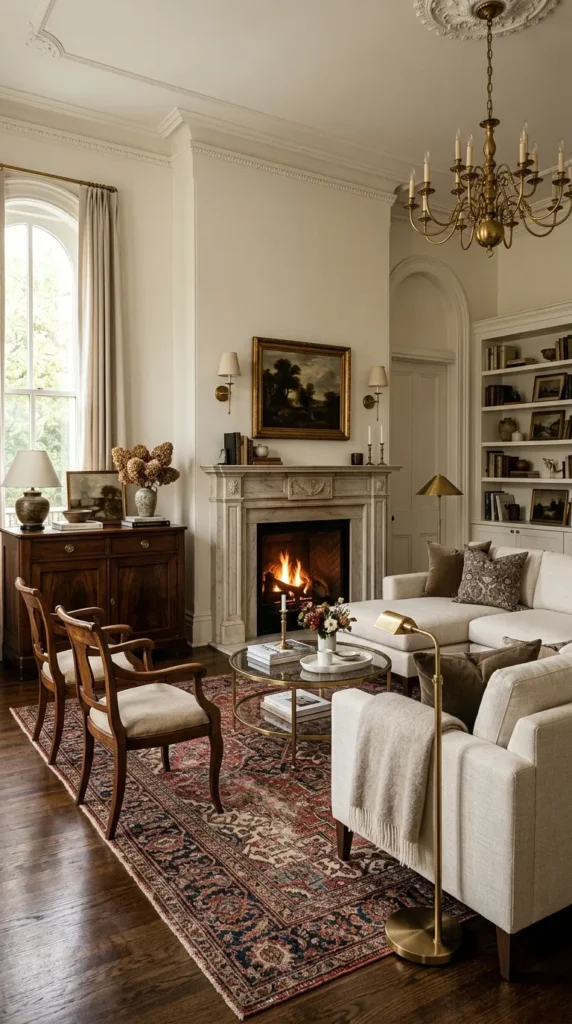
The vintage living room that works best in contemporary life is not a period room preserved in amber but a genuinely lived in space that mixes vintage pieces with contemporary ones in a way that serves the actual life of the household while maintaining the vintage character and the vintage warmth that make this aesthetic so enduringly appealing. A Victorian sofa reupholstered in a contemporary fabric that would have been impossible in the original period. A mid century sideboard with a contemporary lamp and a collection of new ceramic vessels on top. A Georgian side table holding a modern reading device and a contemporary candle in a simple glass vessel.
These combinations work not because they ignore the difference between old and new but because they acknowledge it with confidence and treat it as a source of visual interest rather than a problem to be resolved. The contrast between a beautifully aged antique piece and a considered contemporary object creates a conversation in the room about time and continuity and the way that beautiful things from different periods can coexist naturally when they share a quality of genuine material integrity and genuine design thought. This is ultimately what the vintage living room is about, not the recreation of a specific past moment but the creation of a genuinely layered present that acknowledges and celebrates the beauty of things that have lasted.
15. Use Candlelight and Warm Lamp Light
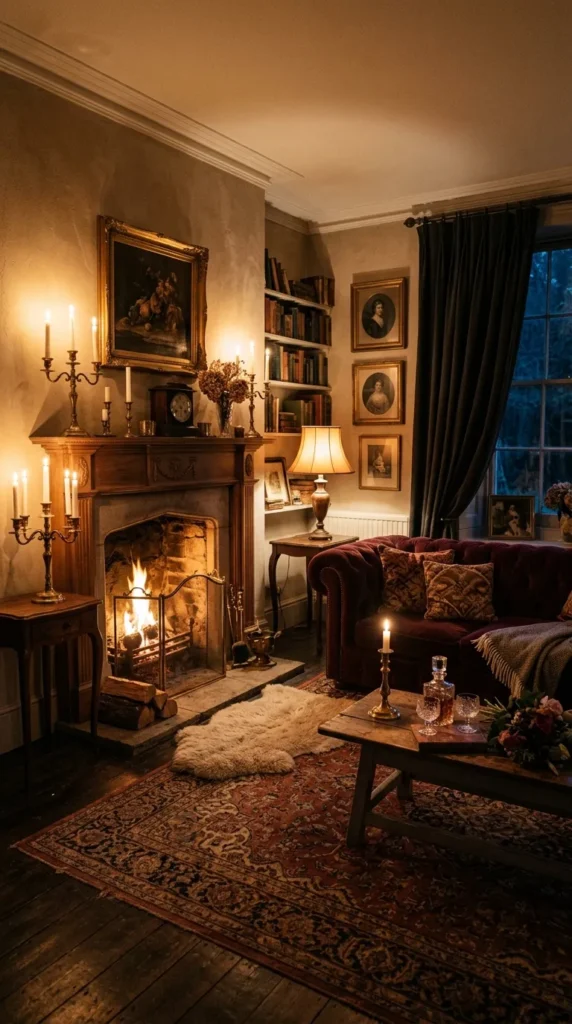
The quality of evening light in a vintage living room is one of its most important and most atmospheric qualities, and achieving it requires a deliberate decision to prioritize warmth and intimacy over brightness and uniform illumination. Vintage living rooms were lit by candles, by oil lamps, and by the early incandescent bulbs that produced a warm yellow light very different from the cool white light of contemporary LED fixtures, and this historical light quality created an evening atmosphere of extraordinary richness and beauty that contemporary rooms frequently sacrifice to the practical requirements of adequate task illumination.
Recreating this quality of warm, intimate evening light in a contemporary living room means choosing the warmest available bulb color temperatures for all the room’s lamp fixtures, 2200K to 2700K rather than the cooler 3000K to 4000K that contemporary LED lighting often defaults to. It means using multiple low level light sources, table lamps, floor lamps, wall sconces, rather than overhead lighting that flattens the room. It means using candles genuinely rather than as decoration, grouping them on the mantelpiece, on the coffee table, on side tables, and lighting them in the evening to add the specific quality of warm, moving, living light that no electric fixture can replicate. The combination of warm electric light from multiple sources and the addition of real candlelight creates the evening atmosphere of genuine vintage richness that makes a living room feel like the most beautiful and most welcoming room in the home.
16. Embrace Imperfection and Patina
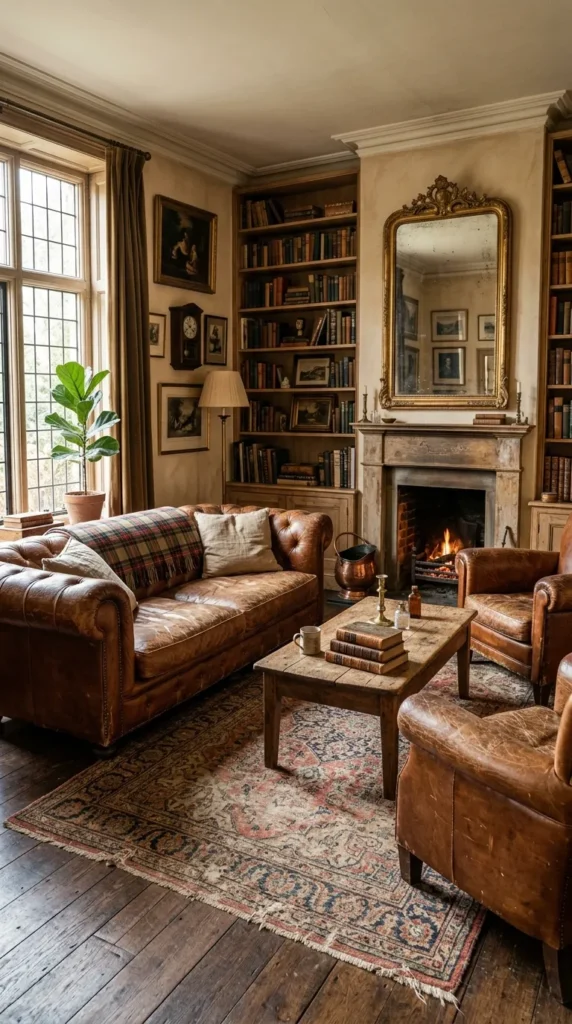
The quality that most completely distinguishes a genuinely vintage living room from a room that simply contains vintage objects is the attitude toward imperfection and patina that governs how the room is assembled and how it is maintained. A vintage living room does not try to look new or to conceal the evidence of age and use in its objects. It embraces these qualities as evidence of history, of previous lives, of the continuity between past and present that vintage objects embody so naturally and so beautifully. A worn leather armchair is not a chair in need of reupholstering. It is a chair that has been genuinely used and genuinely loved, and its worn surface communicates this history in a way that a new chair simply cannot.
Developing comfort with imperfection and patina in a living room requires a genuine shift in the values that most contemporary design culture promotes, a culture that prizes newness, uniformity, and the absence of wear as markers of quality and success. The vintage living room operates from a completely different value system, one that finds beauty in the evidence of time, that understands use as a form of appreciation rather than degradation, and that treats the accumulated marks of a life genuinely lived as contributions to beauty rather than subtractions from it. Embrace this value system genuinely and the vintage living room becomes one of the most honest and most genuinely beautiful domestic spaces available, a room that improves with age and with use rather than declining, and that reflects the life of the household with a warmth and an authenticity that no amount of careful styling can manufacture.
Building Your Vintage Living Room
The vintage living room is built over time rather than assembled at once, and this gradual process of accumulation and refinement is one of its greatest pleasures rather than one of its inconveniences. Each new piece found, each textile added, each collection slowly gathered creates a room that becomes progressively more layered and more personal with every addition. The patience required by this process is repaid with a room of genuine character and genuine beauty that no single shopping trip, however well funded, could create.
Begin with one good piece, an armchair, a rug, a mirror, something genuinely old and genuinely beautiful that you love completely and that can anchor everything else that follows. Let everything subsequent be chosen in relation to it, building a room whose elements are in genuine conversation with each other rather than simply coexisting in the same space. Take your time, trust your instincts about what is genuinely beautiful rather than what is fashionable, and the vintage living room will reward your patience with something that no interior design trend can provide, a room that is completely and unmistakably your own.