16 Small Closet Ideas Worth Trying
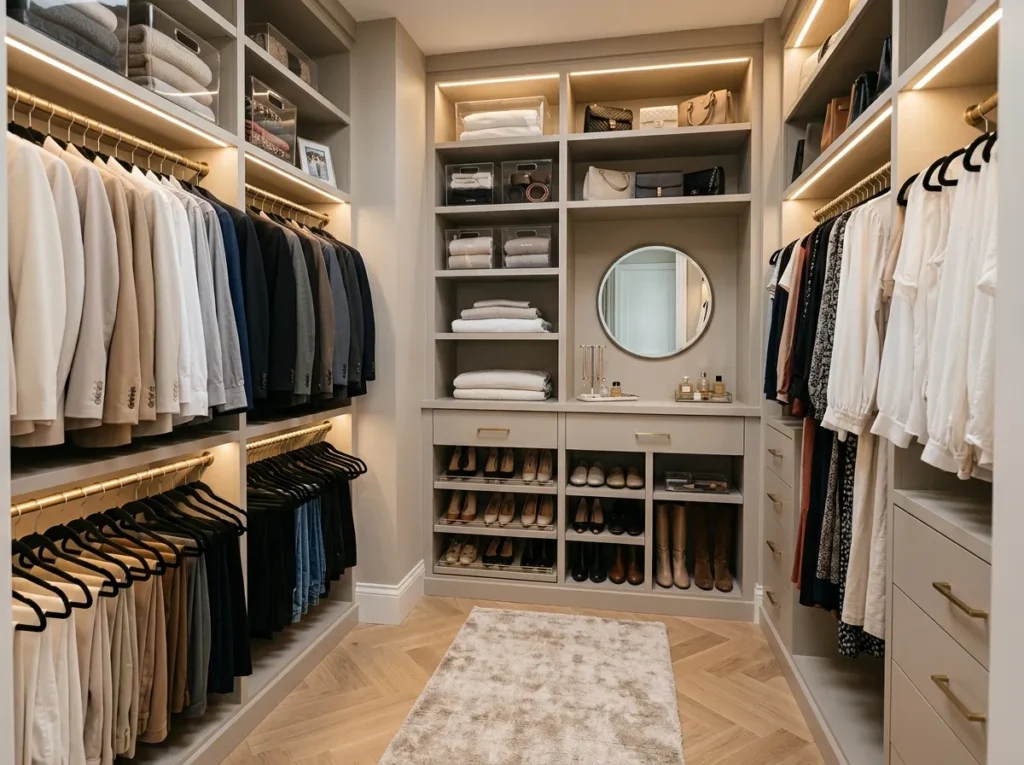
Small closets are one of those problems that feel bigger than they are until you actually solve them. I spent three years stuffing things into a closet that was barely four feet wide and convinced myself that I simply had too many things and not enough space. Then I emptied the whole thing out one Saturday, measured every inch of it, and started thinking about the space differently. By the end of that weekend the same closet held everything it held before plus more, and I could actually find what I was looking for without pulling half of it onto the floor first. The closet had not changed. The way I was using it had.
Small closets fail not because they are small but because they are almost always organized for the wrong version of the space. A single hanging rod running the full width of a closet that is only four feet tall wastes everything above the rod and treats the space as though it were twice its actual height. A floor piled with shoes treats valuable vertical space as though it does not exist. Getting a small closet right means understanding exactly how much space you actually have, what you actually need to store, and which systems use that specific combination of dimensions most efficiently. These 16 ideas cover the full range of approaches from simple free changes to more considered investments that transform what a small closet can hold and how easy it is to use every single day.
1. Measure Everything Before Buying Anything
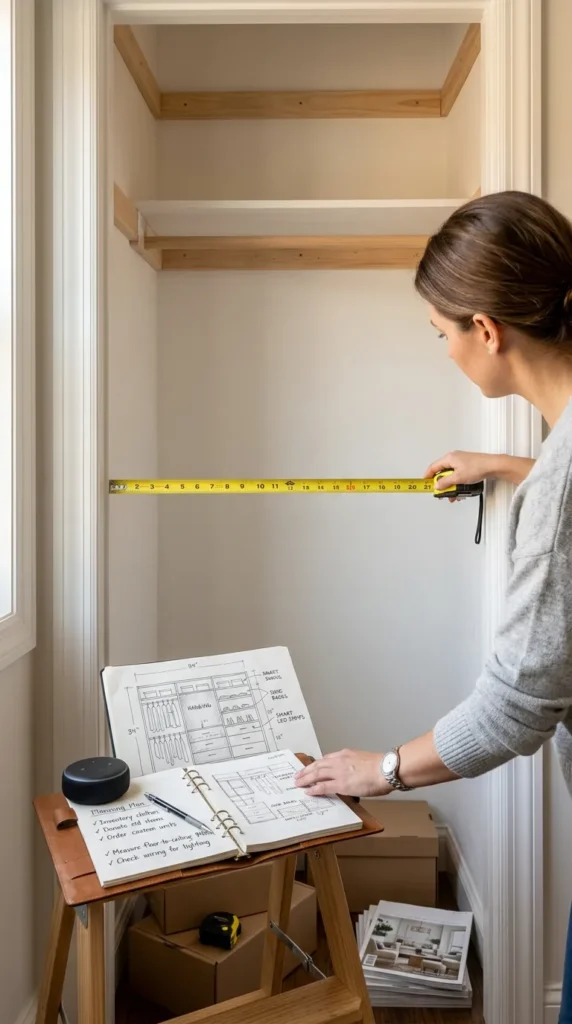
The single most useful thing you can do before changing anything about a small closet is measure it completely and write every dimension down. Width, depth, height from floor to ceiling, height from floor to any existing shelf, the position of the door and which way it opens, the location of any light fixture or outlet. Every measurement matters because small closets have no margin for error.
People consistently buy storage products for closets without measuring first and consistently end up with things that do not fit, do not reach, or do not work together. A hanging organizer that is two inches too wide. A shoe rack that is too deep for the closet floor. A second hanging rod that conflicts with the existing one. All of these mistakes are free to avoid by measuring before spending. The fifteen minutes of measuring saves hours of returning and restarting.
2. Double Hang Wherever Clothing Allows
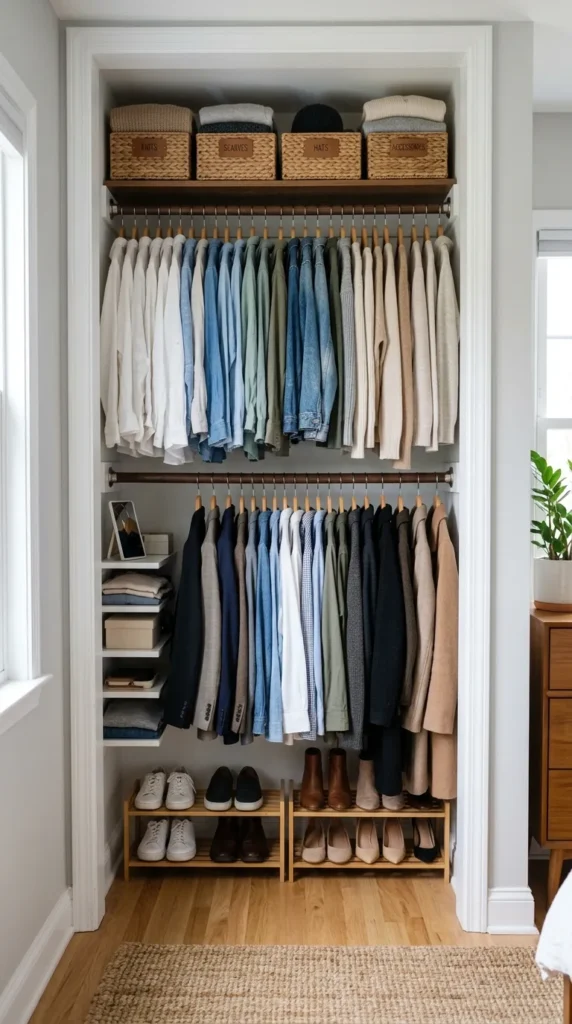
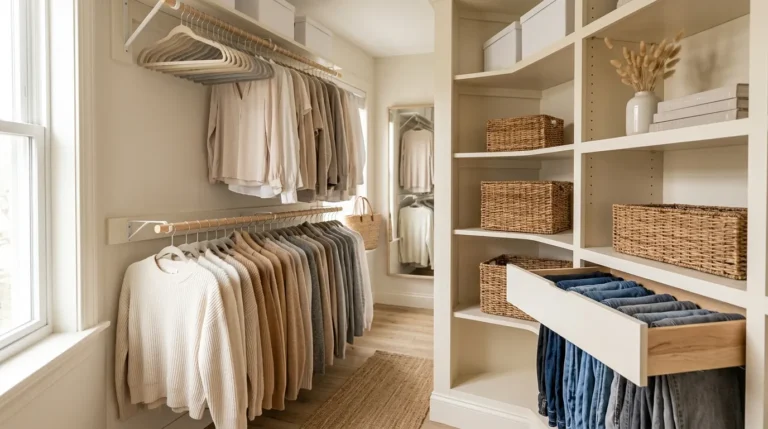
The single highest impact change in almost any small closet is adding a second hanging rod below the existing one in the section where shorter garments hang. Shirts, jackets, folded trousers, and blazers all hang shorter than full length dresses and trousers and do not require the full height of a standard single hanging rod. Adding a second rod below them immediately doubles the hanging capacity of that section without changing the footprint of the closet at all.
The double hang section should occupy the portion of the closet where your shortest garments live. Measure the length of your shortest hanging items and add a few inches to determine where the lower rod needs to sit. The section of the closet dedicated to full length items like dresses and long coats stays as a single hang. The result is a closet that holds significantly more than before with one simple addition that costs almost nothing.
3. Use the Full Height of the Closet With Shelving
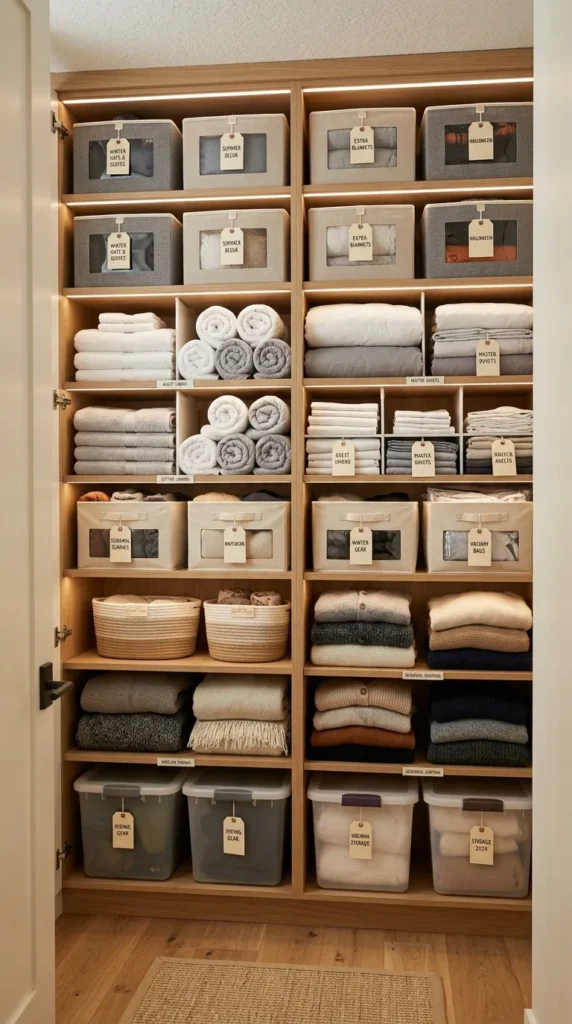
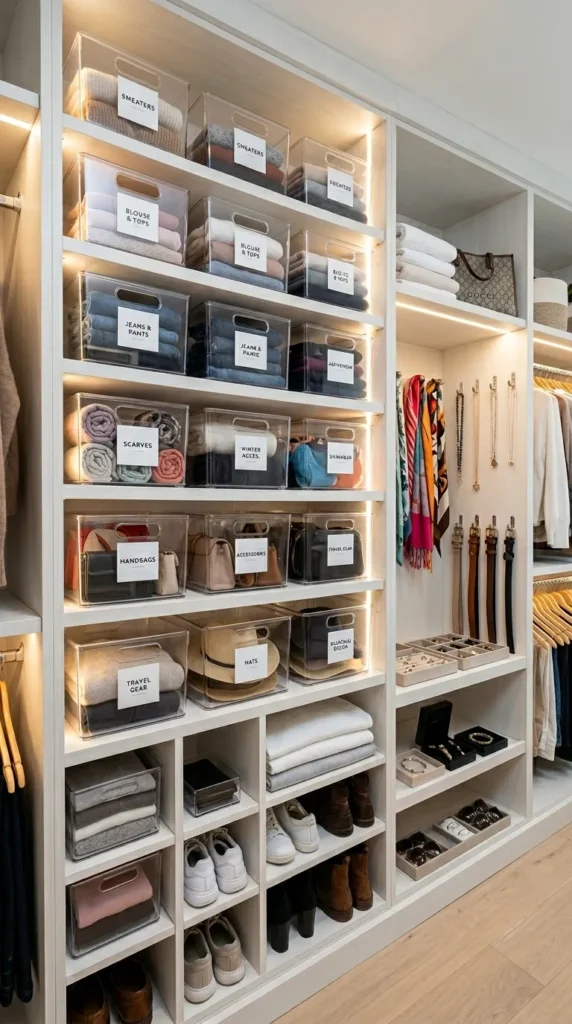
Most small closets have wasted space above the existing shelf or hanging rod that runs all the way to the ceiling unused. Installing additional shelving to fill this vertical space turns dead air into usable storage. The upper shelves are best used for items accessed less frequently, seasonal clothing, spare bedding, luggage, or items used only occasionally, because the height makes them harder to reach daily.
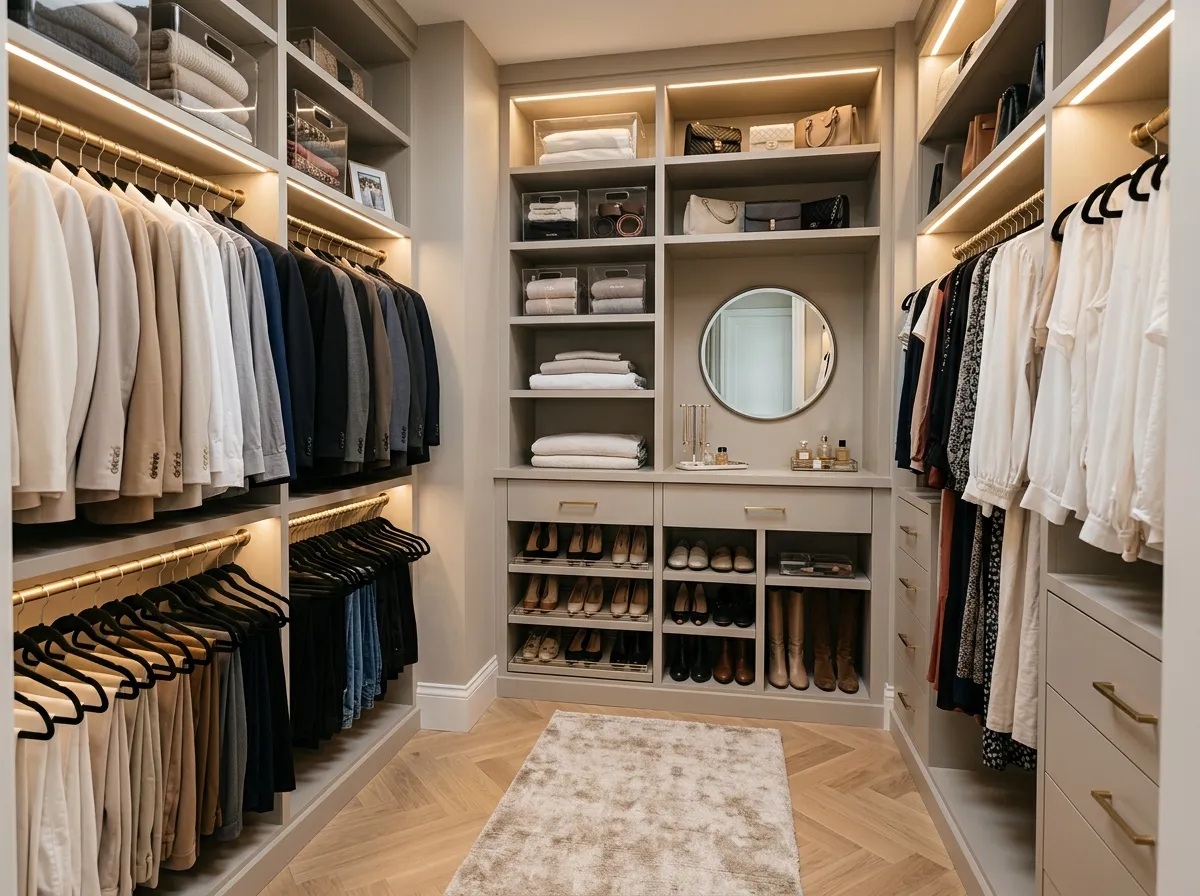
Clear storage boxes on upper shelves allow you to see what is inside without pulling everything down. Labeling each box creates a system where you always know exactly which box holds what. The upper zone of a small closet treated as deliberate seasonal or occasional storage transforms from wasted space into a genuinely useful part of the closet system. This change alone can free up significant space at the more accessible lower levels.
Looking for even more storage inspiration? Explore 21 Clothes Storage Ideas for Small Spaces to keep every room organized.
4. Replace the Closet Rod With a Full System
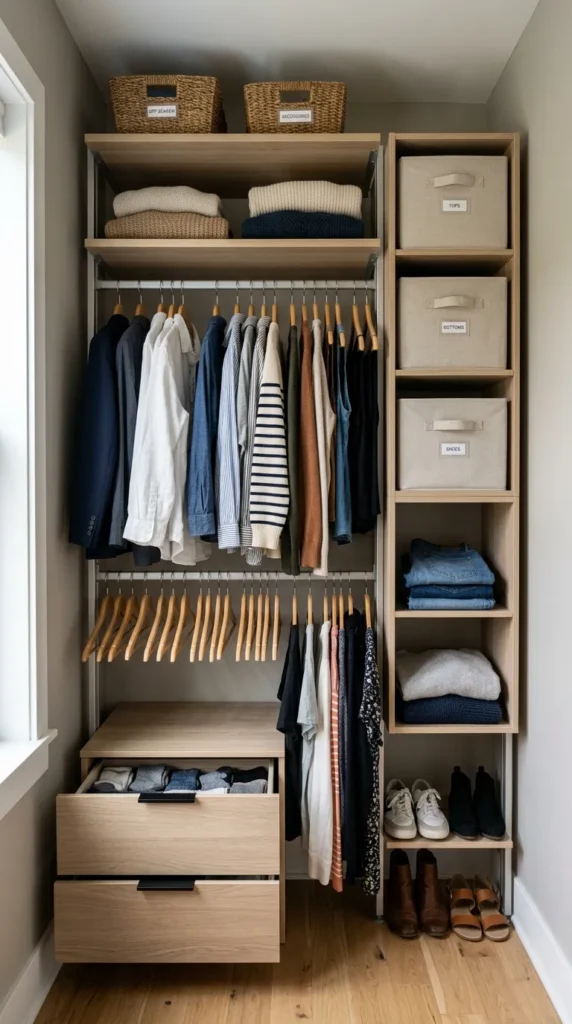
A single closet rod is the least efficient possible use of closet space because it uses only one horizontal plane in a three dimensional space. Replacing it with a modular closet system that includes multiple hanging sections at different heights, shelving, drawers, and dedicated zones for different item types transforms the same cubic footage into storage that works far harder.
Modular closet systems are available at a wide range of price points and most can be installed without professional help. The investment pays back in the daily time saved looking for things and the reduction in stress that comes from a closet that is genuinely organized. Measure the closet carefully before ordering any system and plan the configuration on paper before installation so the components work together efficiently in the specific dimensions of your space.
5. Store Shoes Vertically or on the Door
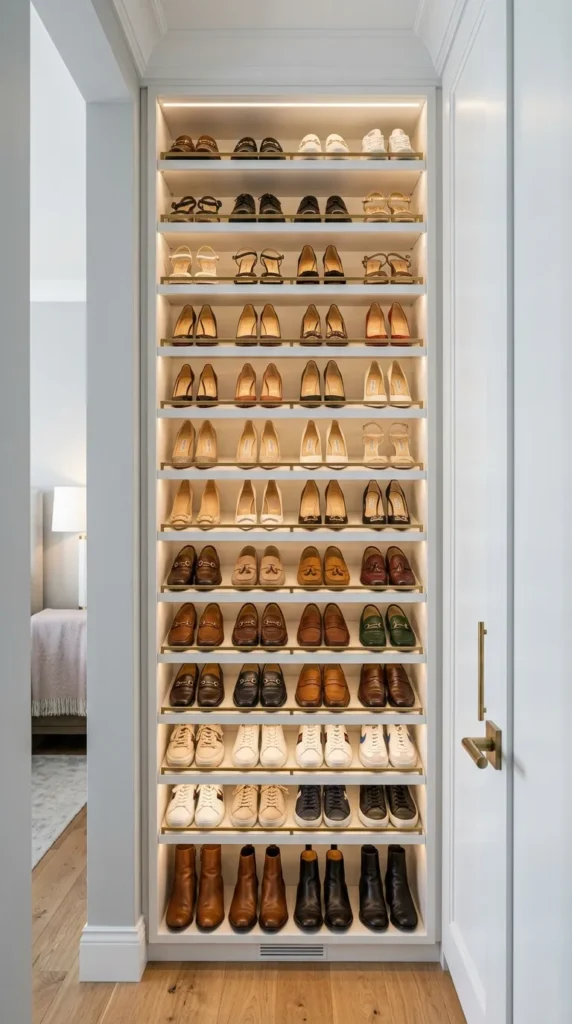
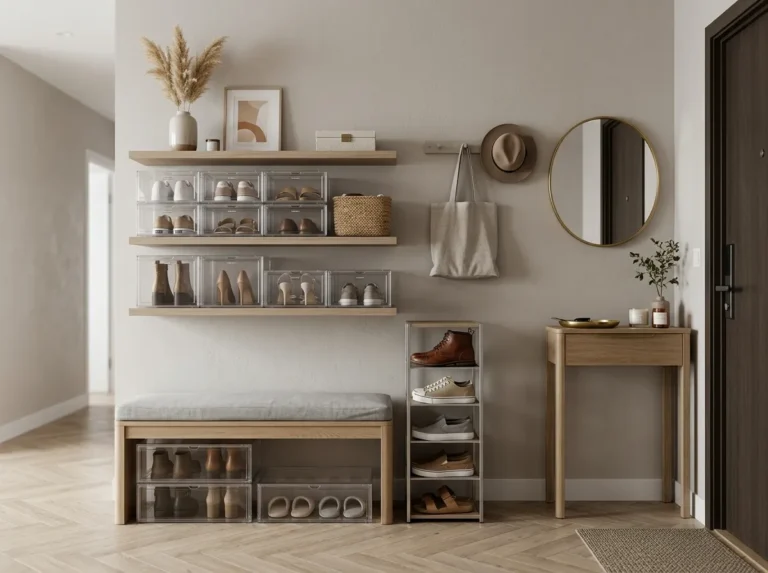
Shoes on a closet floor are the fastest way to waste the most valuable storage real estate in a small closet. The floor level is the most accessible zone in the closet and piling it with shoes prevents anything else from using that space effectively. Moving shoes to a vertical shoe organizer, a clear shoe box stack, or an over door shoe pocket organizer frees the floor entirely for other uses.
An over door shoe organizer on the back of a closet door uses space that is otherwise completely wasted and can hold a significant number of pairs in a footprint that takes up no floor or shelf space at all. Clear pocket versions let you see every pair without searching. Angled shoe shelves on one side of the closet hold more pairs in less space than flat shelving because the angle allows each shoe to occupy less horizontal depth.
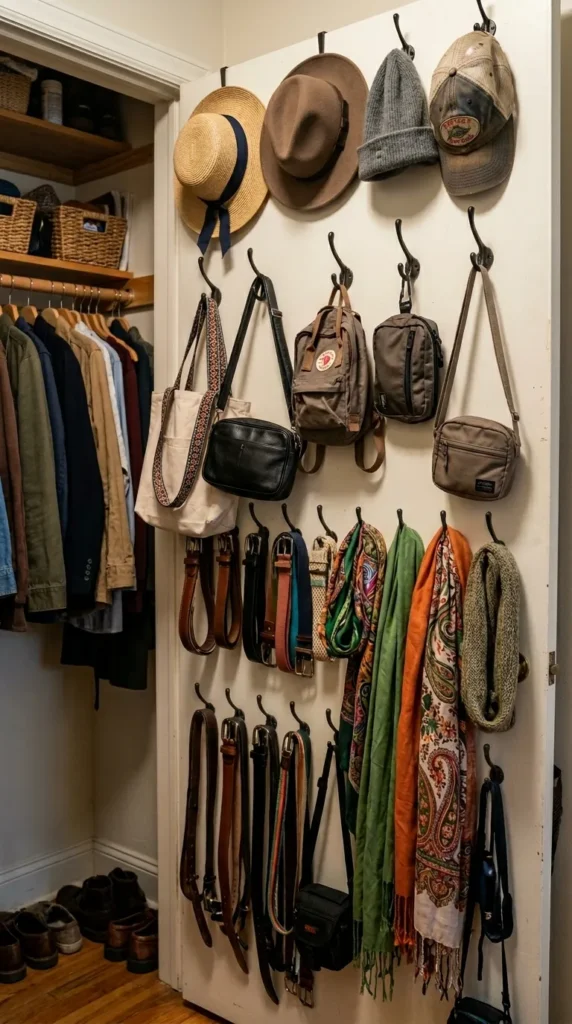
6. Use the Back of the Door for Storage
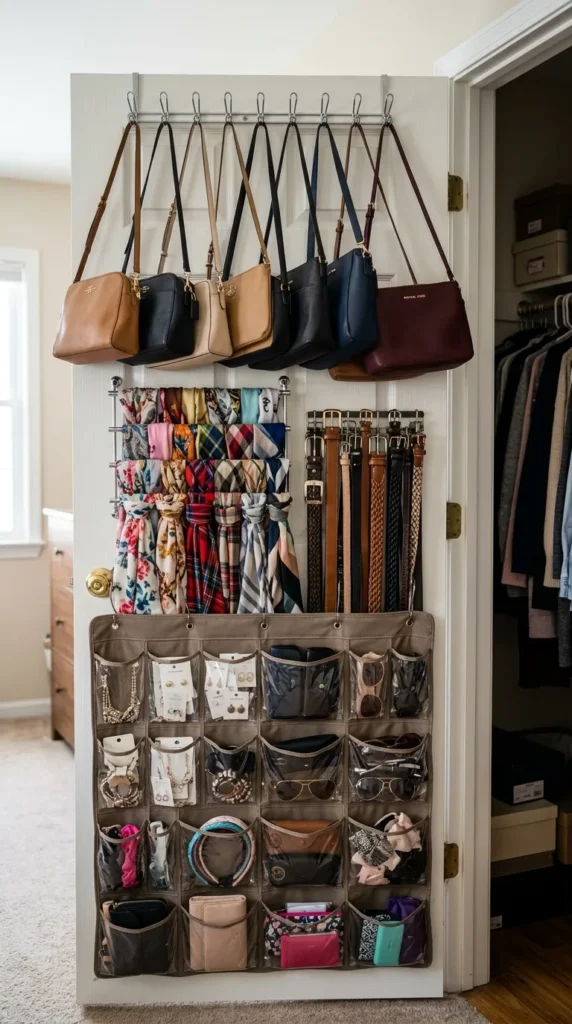
The back of a closet door is one of the most consistently underused storage surfaces in any home. An over door organizer, hooks, a small mirror with storage behind it, or a custom built set of shallow shelves on the back of the door can hold a significant volume of items without using any closet floor, wall, or shelf space.
In a clothing closet the door back suits accessories, belts, scarves, bags, and jewelry organizers. In a linen closet it suits small items like cleaning products, spare toiletries, or first aid supplies. In a pantry closet it suits spices, small jars, and frequently used dry goods. Whatever type of small closet you are working with the door back is always available and always worth using.
7. Fold Knitwear and Stack on Shelves Rather Than Hanging
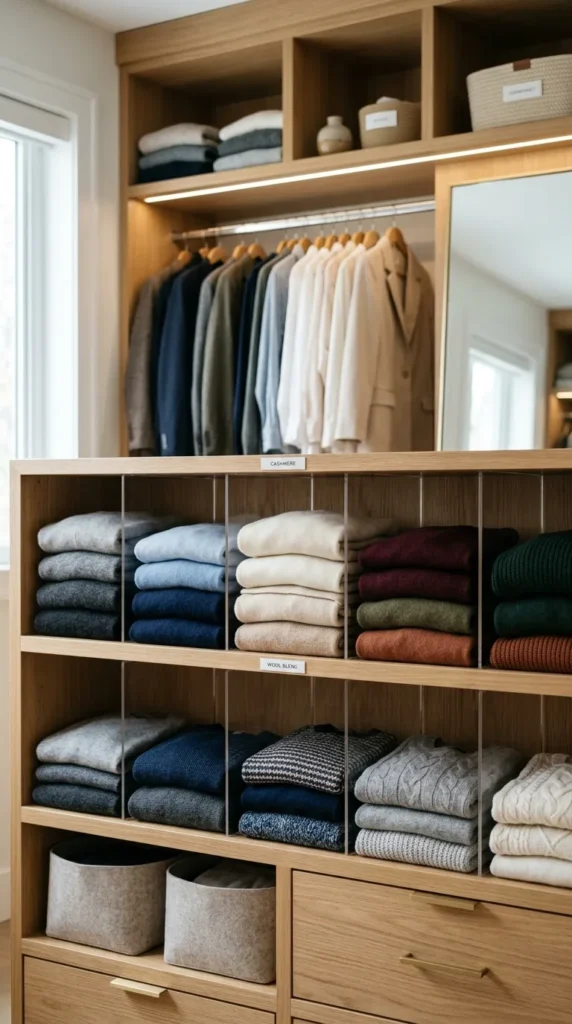
Hanging knitwear, sweaters, and heavy knits stretches them over time and wastes hanging space on items that would store better folded. Folding knits and stacking them on shelves rather than hanging them frees hanging space for the items that actually need it while also preserving the shape of the garments better than hanging does.
The fold and stack method works best when the stack height is limited to four or five items so the bottom items remain accessible without pulling the whole stack down. If the closet has limited shelf space, using shelf dividers prevents folded stacks from toppling sideways and keeps each category contained in its own zone. A closet where every item type is stored in the way that suits it rather than in whatever space is available functions better than one organized by convenience rather than logic.
8. Decant to Slim Velvet Hangers Throughout
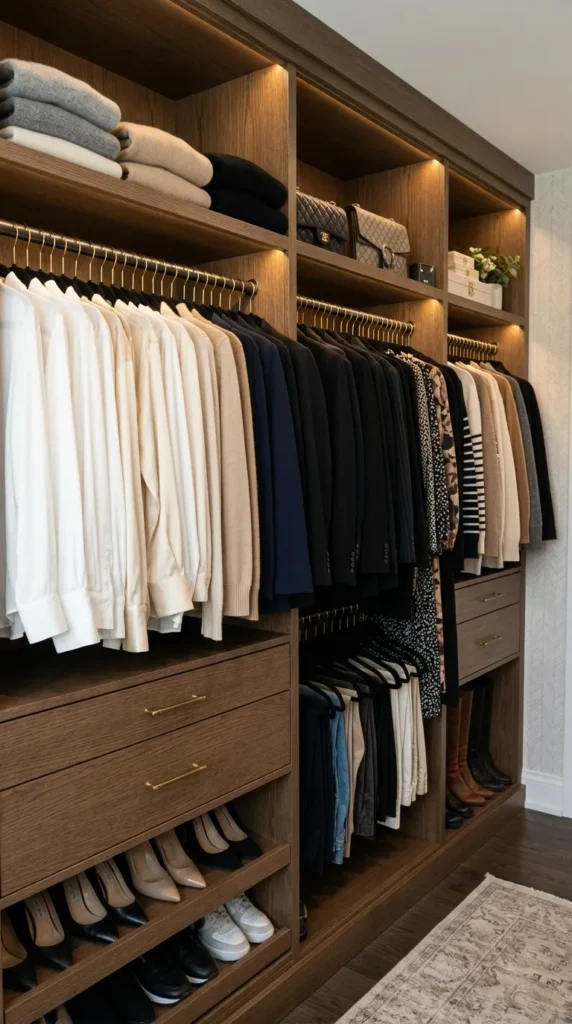
Plastic and wire hangers take up significantly more rod space than slim velvet hangers and they allow garments to slip off constantly which creates the floor pile that makes small closets feel chaotic. Switching every hanger in the closet to slim velvet versions immediately increases the hanging capacity of the rod by roughly 30 percent and eliminates the slipping problem completely.
The uniform appearance of matching velvet hangers also makes a small closet look significantly more organized than a mix of different hanger types even when nothing else about the organization has changed. The visual consistency of a single hanger type throughout the closet creates a calm and ordered quality that mixed hangers cannot produce regardless of how well organized the garments are. This is a small and inexpensive change with a disproportionately large impact on both function and appearance.
9. Group by Category and Then by Color Within Categories
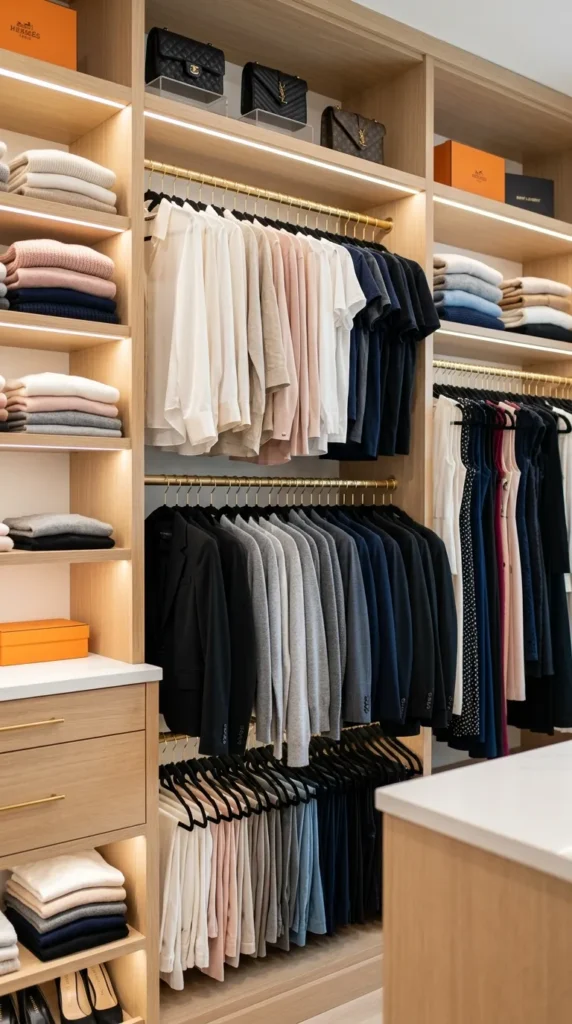
Organization systems that group items by category first, all shirts together, all trousers together, all jackets together, and then by color within each category create closets that are genuinely easy to use daily because you always know where to look and can find what you need without moving other things out of the way.
The color organization within categories also creates a visual clarity that makes the closet look more ordered than it actually needs to be. A section of shirts arranged from white through cream to pale blue to deeper blue to navy looks organized and intentional in a way that the same shirts in random order do not. The visual organization also makes it easier to notice when a category is overrepresented and editing becomes easier because the excess is visible rather than hidden in a pile.
10. Add a Second Shelf Above the Existing One
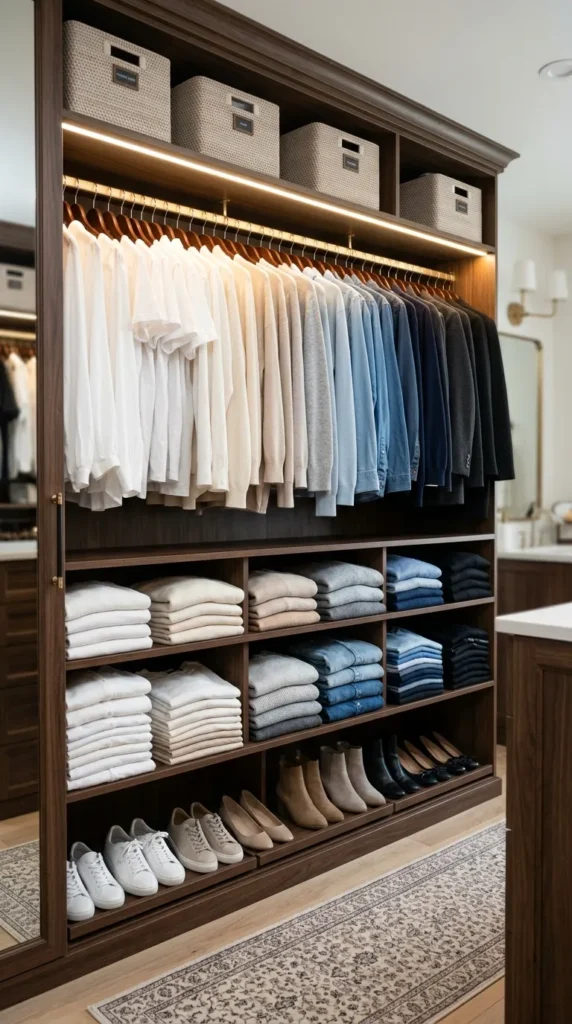
In closets where the single existing shelf sits well below the ceiling there is almost always room for a second shelf above it. The upper shelf holds items used less frequently and the lower shelf holds items needed more regularly. The addition of a second shelf immediately doubles the shelf storage in the closet without requiring any other changes.
The gap between the two shelves should be calibrated to what you actually need to store on each one. Folded clothing needs less height than bags or boxes. Measure your most common shelf items and set the shelf heights accordingly rather than using a standard spacing that may not suit your specific storage needs. Custom height shelving in a small closet uses every available inch more efficiently than standard spacing designed for average use cases.
11. Use Clear Containers for Everything Stored on Shelves
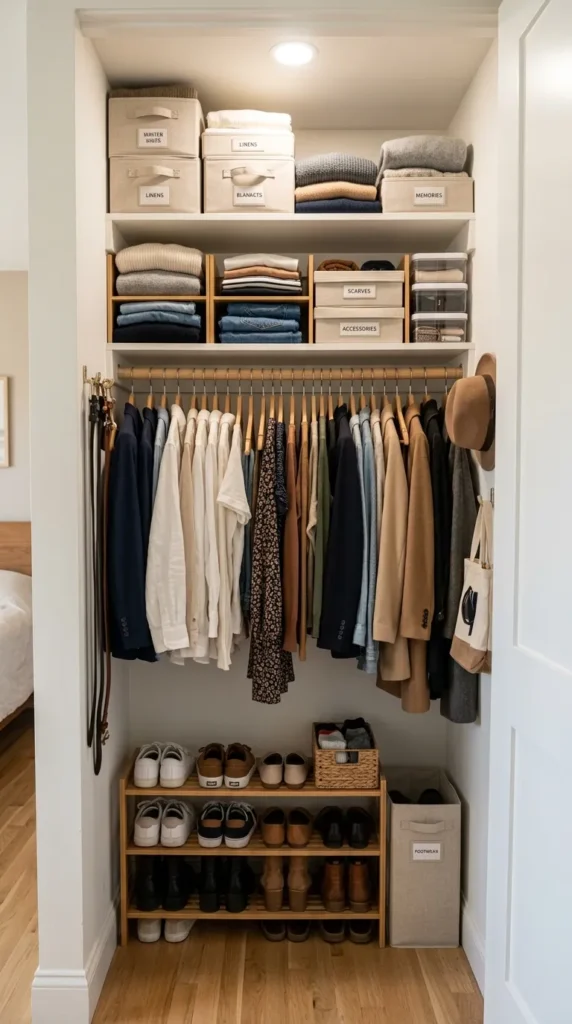
Clear storage containers on closet shelves eliminate the frustration of not being able to see what is inside without pulling every container down to check. When every shelf container is clear the contents of the entire closet are visible at a glance and finding any specific item takes seconds rather than minutes.
Clear containers also create visual consistency on shelves that makes the closet look more organized than mismatched boxes and bags. A shelf of matching clear containers with labels looks completely organized. The same items in a mix of different colored bags, boxes, and baskets looks chaotic even when the contents are identically organized. The container choice is a cosmetic decision that has a significant functional impact on how usable the closet is daily.
Keep your closet tidy from top to bottom with these 14 Shoe Storage Ideas for Small Spaces for smart footwear organization.
12. Install Hooks at Multiple Heights on Side Walls
The side walls of a small closet are often completely bare despite being perfectly usable surfaces for hook storage. Installing hooks at multiple heights on both side walls creates storage for bags, belts, scarves, hats, robes, and frequently used items that would otherwise occupy valuable shelf or hanging rod space.
The height of the hooks matters. Hooks at eye level suit items you reach for daily. Hooks at a higher level suit items accessed occasionally. Hooks near the floor suit bags and items you pick up on the way out rather than retrieve from a shelf. Multiple hooks at multiple heights throughout the side wall space creates a storage zone that is genuinely useful rather than a surface that contributes nothing to the closet system.
13. Edit the Contents Regularly and Without Sentiment
The most effective small closet improvement costs nothing and requires no new storage products. It is editing the contents honestly and regularly to remove things that are not being used. A small closet that holds only things that are genuinely used and genuinely needed functions better at any level of organization than the same closet stuffed with things kept out of habit, sentiment, or the vague intention to use them someday.
Edit twice a year at minimum, once at the beginning of each main season. Remove anything that has not been used in the past year. Remove anything that does not fit. Remove anything kept out of obligation rather than genuine use. The space freed by honest editing costs nothing and creates more usable room than any storage product. The editing habit maintained consistently over time is what keeps a small closet functional rather than allowing it to gradually fill back to chaos between occasional major clear outs.
14. Use a Tension Rod to Create a Second Hanging Level
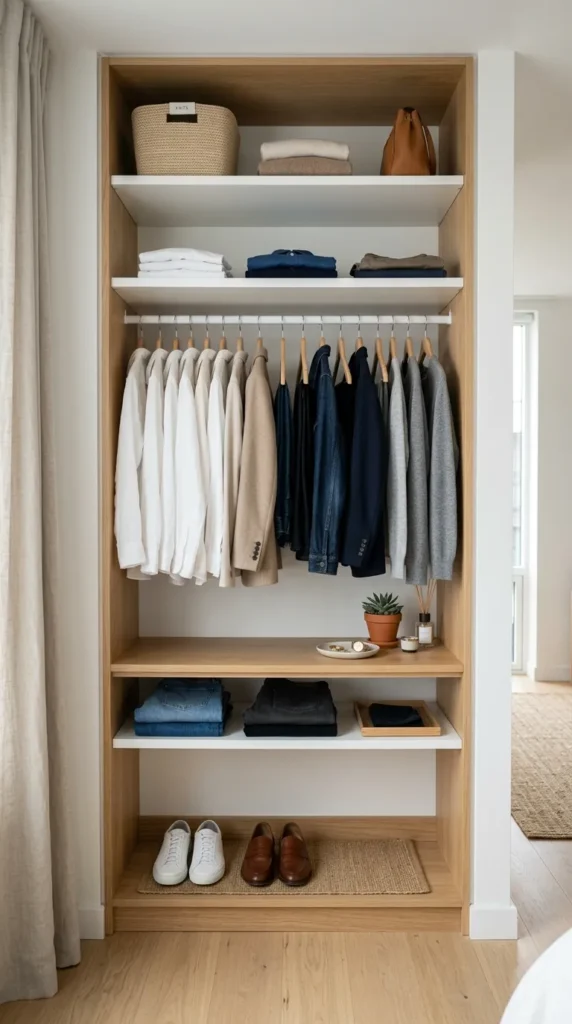
A tension rod installed below an existing shelf or within a section of the closet creates an additional hanging level without requiring any drilling or permanent installation. Tension rods are adjustable, removable, and cost almost nothing which makes them the most accessible way to add hanging capacity to a small closet.
Use a tension rod below a shelf to hang frequently used items at a more accessible height while the shelf above holds folded or stored items. Use a second tension rod below the existing main rod in sections where shorter garments hang to create the double hang configuration without the cost of a professional installation. Tension rods are not as robust as fixed rods and should not hold heavy items but for lightweight clothing and accessories they are a genuinely effective and reversible solution.
15. Maximize Floor Space With a Stackable Drawer Unit
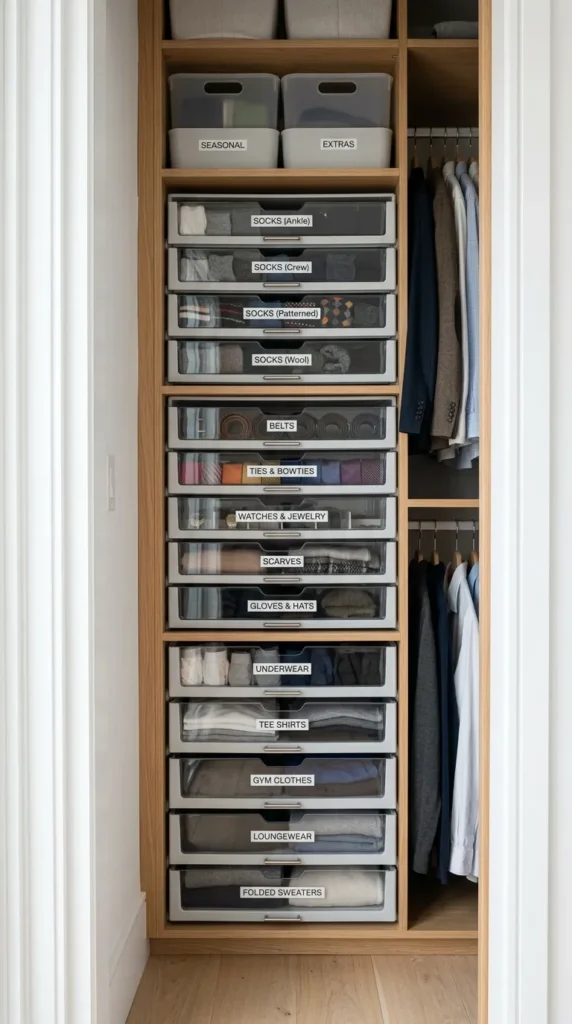
A narrow stackable drawer unit on the closet floor uses the floor space efficiently by creating organized drawers for items that would otherwise pile up loosely. Underwear, socks, folded accessories, and small items all store better in shallow drawers than on shelves where they tend to slide and mix together until finding anything requires unpacking everything.
The unit should be measured carefully to fit the available floor space without blocking access to hanging items or other areas of the closet. Shallow drawers work better than deep ones for most small items because shallow drawers allow you to see the contents without digging. A three or four drawer unit in the right dimensions for your specific closet floor space creates organized storage for a category of items that otherwise have no natural home in a standard closet configuration.
16. Light the Closet Properly So Everything Is Visible
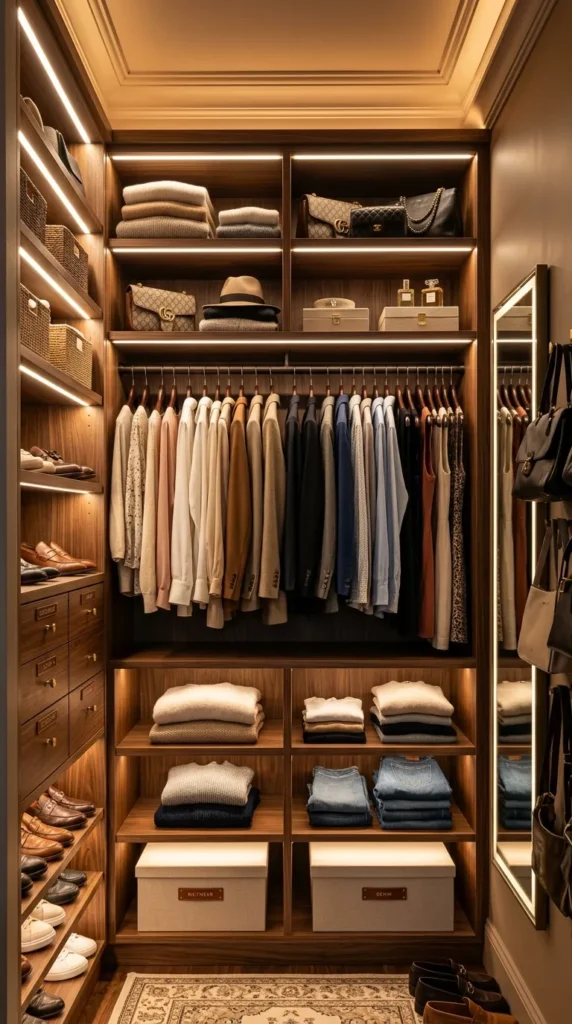
A dark closet is a disorganized closet regardless of how well the storage systems are set up because you cannot use what you cannot see. Adding proper lighting to a small closet, whether through a battery powered LED strip along the top shelf, a plug in puck light, or a properly installed ceiling fixture, transforms the usability of the space by making every item visible without straining.
Motion activated LED strips are particularly useful in small closets because they turn on automatically when the door opens and off when it closes, which means the closet is always properly lit without requiring a separate switch. The quality of the light matters too. Warm white light around 2700K makes the colors of clothing more accurate and easier to distinguish than cool white light which makes everything look slightly different from how it appears in natural light. A well lit closet is a closet you can actually use efficiently.
Final Thoughts
A small closet done right holds more than most people think possible and works better than many large closets that have never been properly organized. The changes that make the biggest difference are almost always the simplest ones. Double hanging where possible. Using the door back. Editing the contents honestly. Switching to slim hangers. Adding proper light. None of these cost much and none of them require professional help but together they transform a small closet from a source of daily frustration into a storage space that actually works.
Start with the measuring and the editing. Know exactly what space you have and exactly what needs to go in it. Then work through the ideas on this list in order of impact for your specific situation. The closet that emerges from that process will be more useful than any large closet that has never been properly thought through.