13 Wabi Sabi Painting Ideas That Last
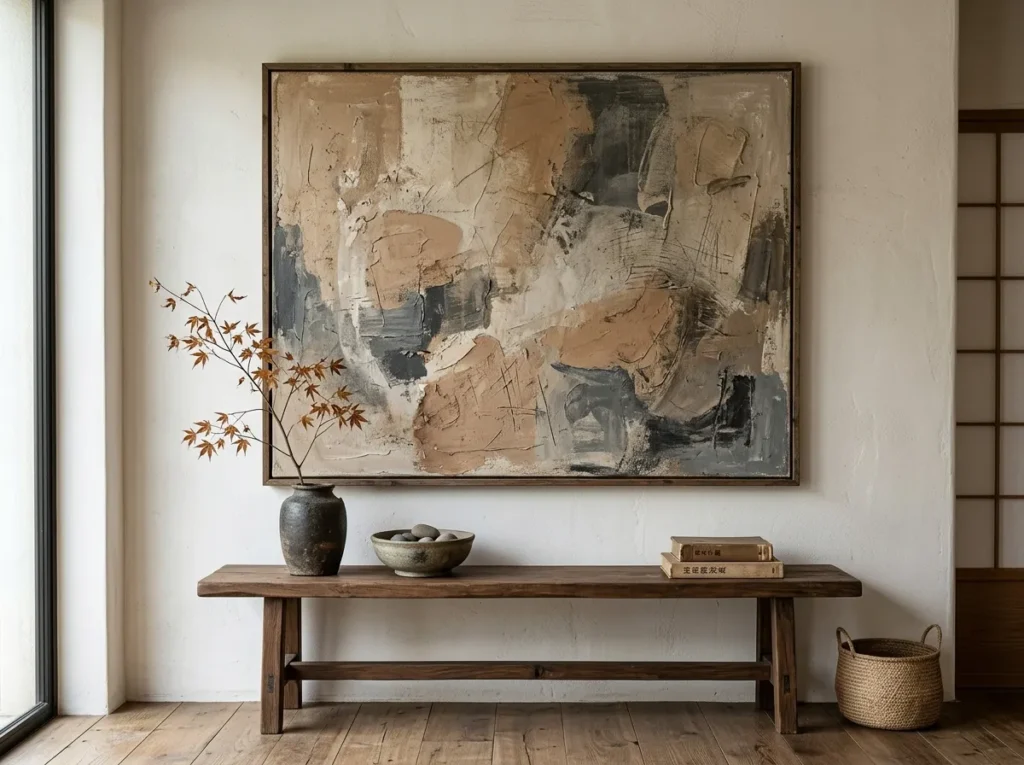
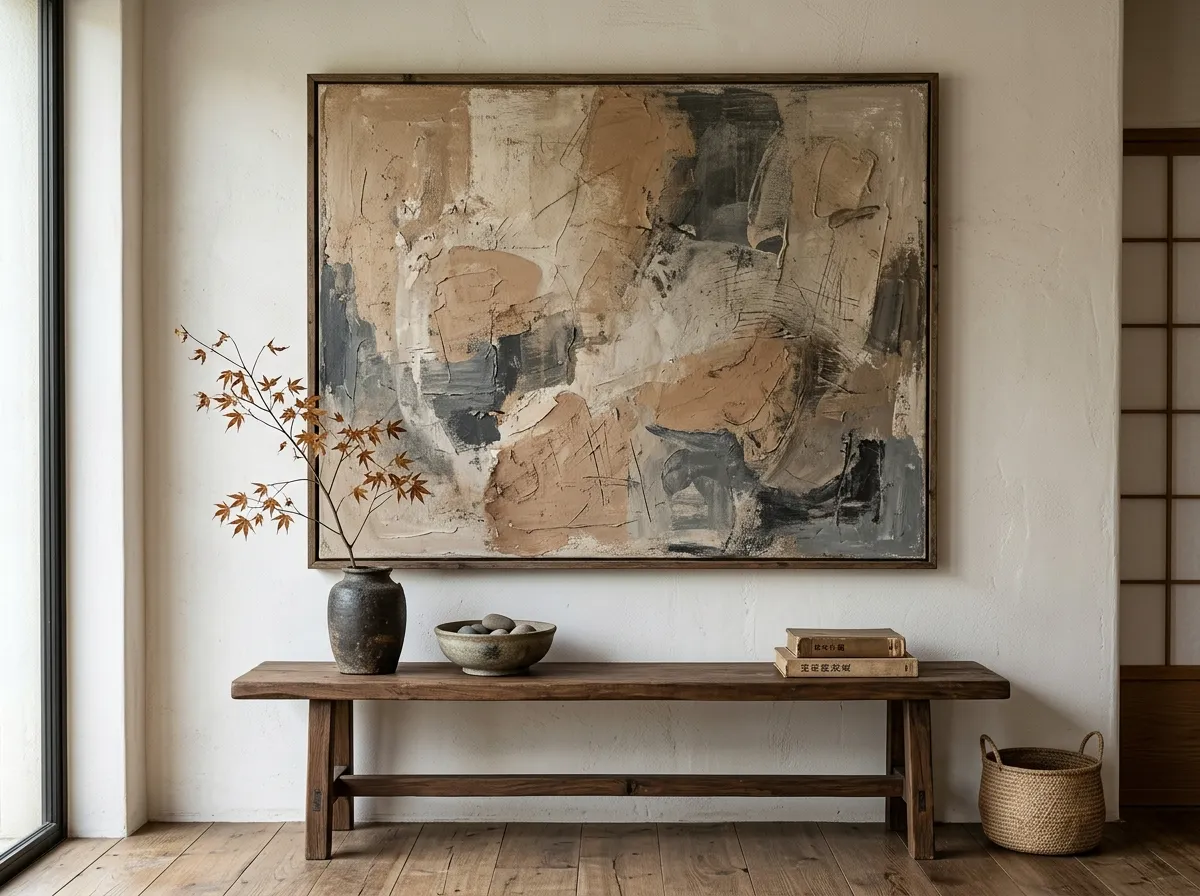
Wabi sabi is one of those concepts that sounds abstract until you see it in a painting and suddenly it is the only thing you want on your walls. The Japanese aesthetic of finding beauty in imperfection, transience, and incompleteness translates to painting in a way that is both philosophically interesting and practically achievable by anyone willing to let go of the idea that good art requires precision. I started making wabi sabi influenced paintings three years ago after spending years trying to paint perfectly and producing work that looked technically competent and emotionally empty. The moment I allowed the imperfection in, the work became genuinely interesting.
Wabi sabi painting is not about being deliberately bad or intentionally sloppy. It is about being honest. Honest about the materials you are using, the marks you are making, and the impermanence of the thing you are creating. A wabi sabi painting shows its process. The brushstroke is visible. The texture of the surface comes through. The color is layered rather than flat. And the result has a quality of being genuinely made by a human hand in a specific moment that no technically perfect painting can replicate because technical perfection requires the removal of everything that makes the making visible. These 13 ideas cover the full range of wabi sabi painting approaches from surface preparation to color palette to finishing choices that let the imperfection speak rather than apologizing for it.
1. Start With an Imperfect Ground Rather Than a Blank Canvas
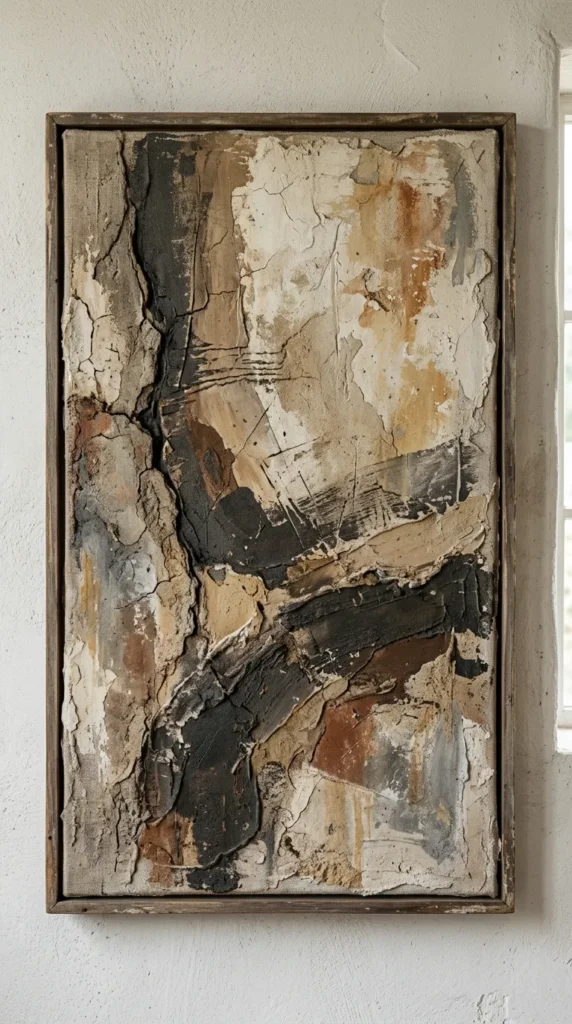
The surface you paint on determines the character of a wabi sabi painting before a single mark is made. A standard white primed canvas creates a surface that resists the honest imperfection that wabi sabi painting requires because it is too even, too uniform, and too ready for paint that has been applied with control. Starting with a more imperfect ground creates work with depth from the very beginning.
Apply a rough texture layer to the canvas before painting using gesso mixed with sand, fine pumice, or even coffee grounds. Apply it unevenly with a palette knife, a piece of cardboard, or a crumpled cloth rather than a brush so the surface has genuine variation and texture. Let it dry completely. The imperfect ground will show through every subsequent layer of paint and create a depth and complexity that a smooth surface cannot produce regardless of how skillfully the paint is applied over it.
2. Use Earthy Pigments and Avoid Synthetic Brightness
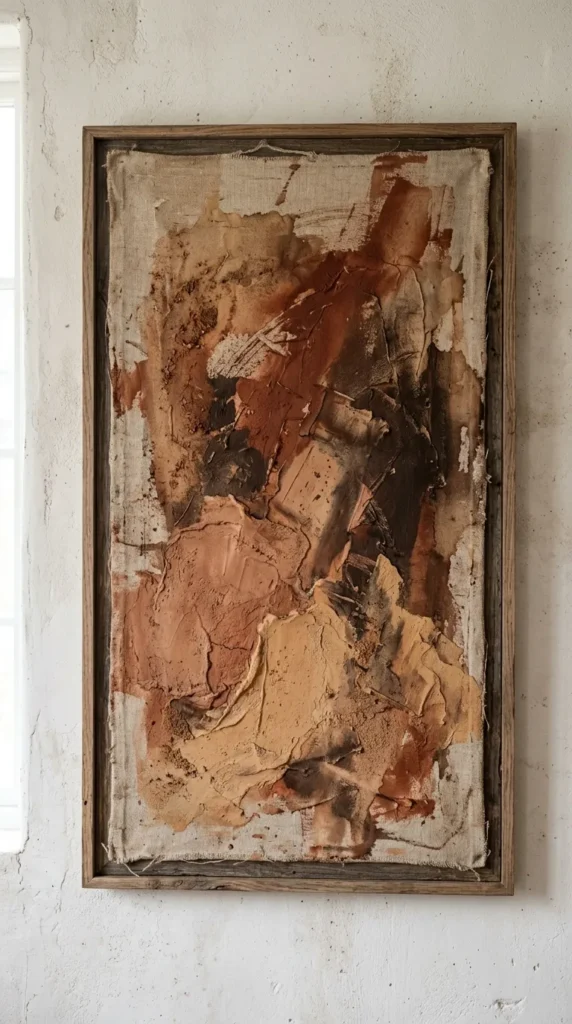
The wabi sabi palette is earthy, muted, and drawn from natural pigments rather than synthetic brightness. Raw umber, burnt sienna, yellow ochre, natural white, charcoal gray, warm black, dusty sage, and aged cream are the tones that appear throughout wabi sabi influenced work because they are the colors of aged materials, natural surfaces, and things that have existed long enough to develop patina and depth.
Avoid anything neon, highly saturated, or synthetically bright because these colors belong to a different aesthetic entirely. They suggest newness and artificial manufacture rather than age and natural origin which is precisely the opposite of what wabi sabi painting is trying to express. A palette restricted to earthy pigments in a limited range of tones creates paintings with a quietness and depth that more colorful palettes cannot achieve because the restraint forces the texture and mark making to carry the work rather than the color.
3. Apply Paint in Transparent Layers That Show Through Each Other
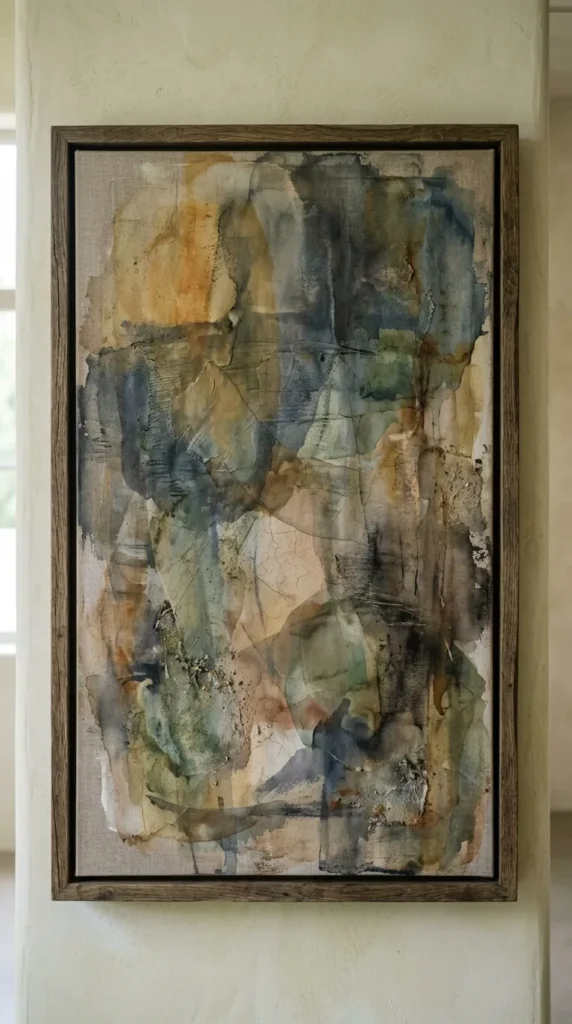
Layering transparent washes of paint over dried previous layers creates depth and complexity that opaque single layer painting cannot produce. Each layer modifies the one beneath it rather than covering it completely and the result is a surface with genuine visual depth where the eye moves into the painting rather than across it.
Apply each layer thinly enough that the previous layer shows through at least partially. Allow complete drying between layers. The number of layers matters less than the transparency of each one. Five transparent layers create more depth than ten opaque ones because opacity conceals while transparency reveals. In wabi sabi painting the revealing is everything. The history of the painting, each layer showing through the next, is part of what makes the finished work feel like something that has existed over time rather than something applied in a single session.
4. Leave Areas Unfinished and Resist Completing Everything
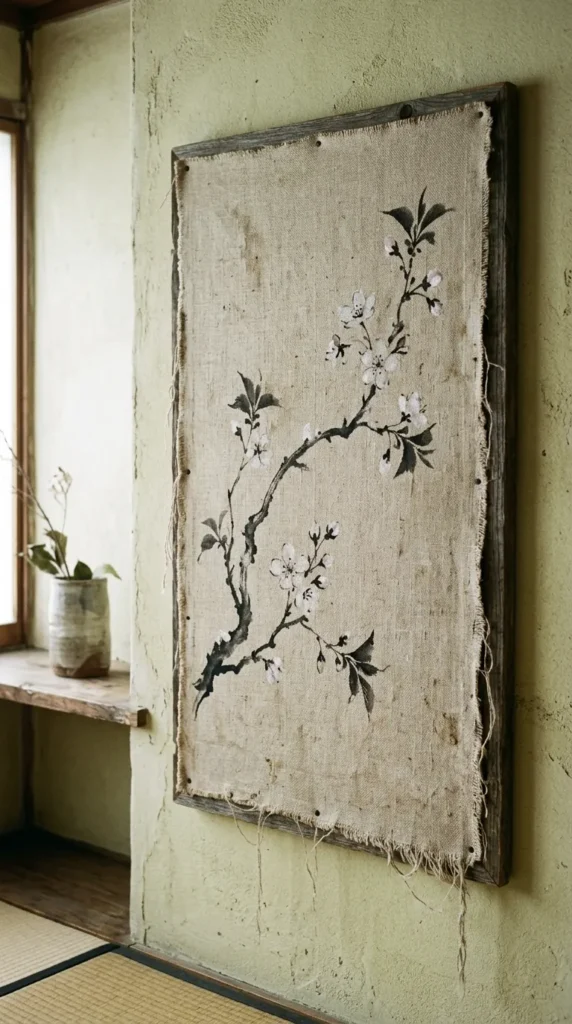
One of the most direct expressions of wabi sabi in painting is the deliberate incompleteness of leaving areas unfinished. The raw canvas or ground showing at the edges. A section of color that fades into unpainted surface. A mark that trails off before reaching the boundary of the composition. These unfinished areas are not failures of execution. They are expressions of the wabi sabi understanding that incompleteness is part of the beauty of things.
Leaving areas unfinished requires actively resisting the urge to complete and refine that most painters feel toward the end of a painting. The urge to tighten, to finish, to make the edges clean and the composition resolved is the urge that wabi sabi painting asks you to question. What is lost when the rawness is covered? What would the painting gain from staying incomplete? Often the answer is that the unfinished version has more life and more honesty than the completed one would.
Create a peaceful home by pairing your artwork with these 17 Wabi Sabi Interior Design Ideas for warm and calming spaces.
5. Make Marks With Unexpected Tools Rather Than Standard Brushes
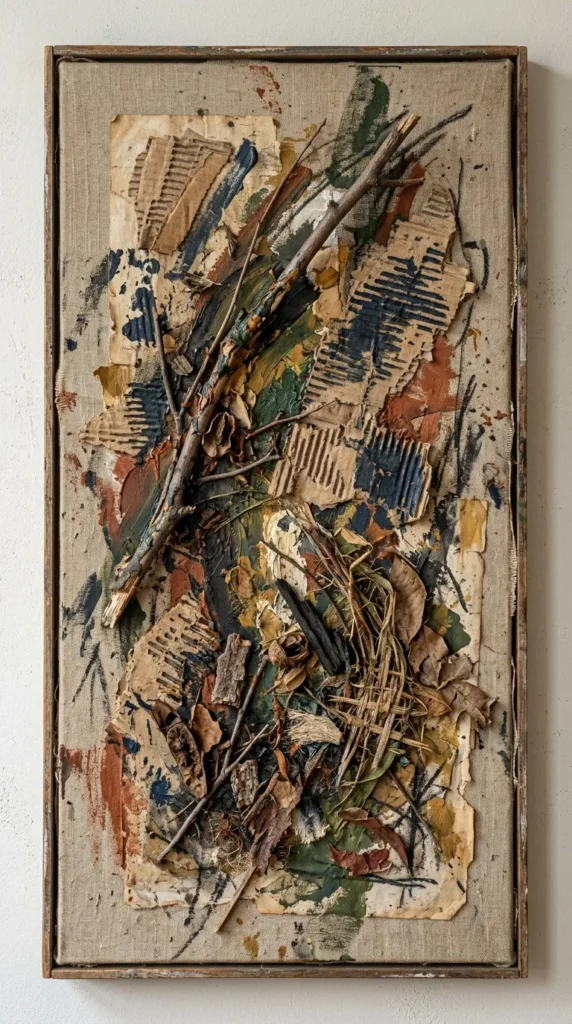
Wabi sabi painting benefits from mark making tools that create unpredictable results because unpredictability produces the kind of honest imperfection the aesthetic values. Brushes make marks that are too controlled for many wabi sabi applications. Palette knives, torn cardboard edges, crumpled paper, natural sponges, twigs, dry grasses, and even fingers all create marks with a different quality of honesty than brush marks because they are less controllable and therefore more genuinely responsive to the material.
A mark made with a piece of torn cardboard dragged across a wet paint layer creates an edge that no brush can replicate because the cardboard responds to the texture of the surface beneath it rather than smoothing over it. A mark made with a dry grass stem creates a line with variation in weight and continuity that a brush controls away. These unexpected tool marks create wabi sabi paintings with genuine visual interest at the mark making level that conventionally brushed work rarely achieves.
6. Embrace Cracking and Crazing as Texture Rather Than Damage
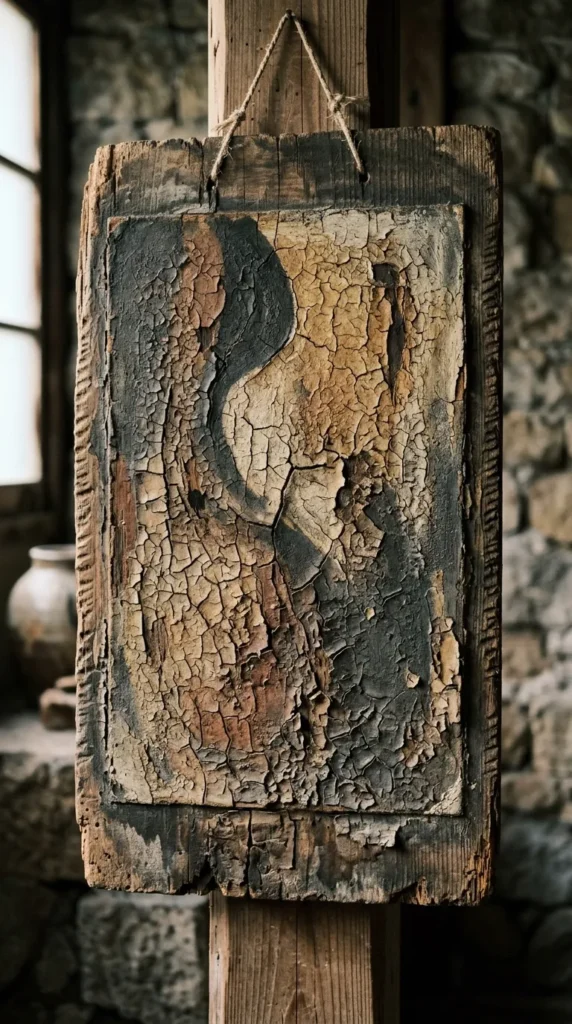
Paint cracking and crazing during drying is typically treated as a technical problem to be avoided. In wabi sabi painting it is an aesthetic quality to be embraced and sometimes deliberately induced. The cracked surface of aging paint is one of the most direct visual expressions of the wabi sabi appreciation for the beauty of things aging and changing over time.
Deliberate cracking can be induced by applying a thick layer of paint over a layer that has not fully dried, by using crackle medium between layers, or by applying gesso over a dried paint layer before the gesso is fully flexible. The cracks that result have a quality that no applied texture can replicate because they are genuinely structural rather than surface level. A wabi sabi painting with honest cracking looks like it has been somewhere and survived it and that quality of lived experience is precisely what the aesthetic is trying to express.
7. Work With Neutral and Tonal Compositions Rather Than Color Contrast
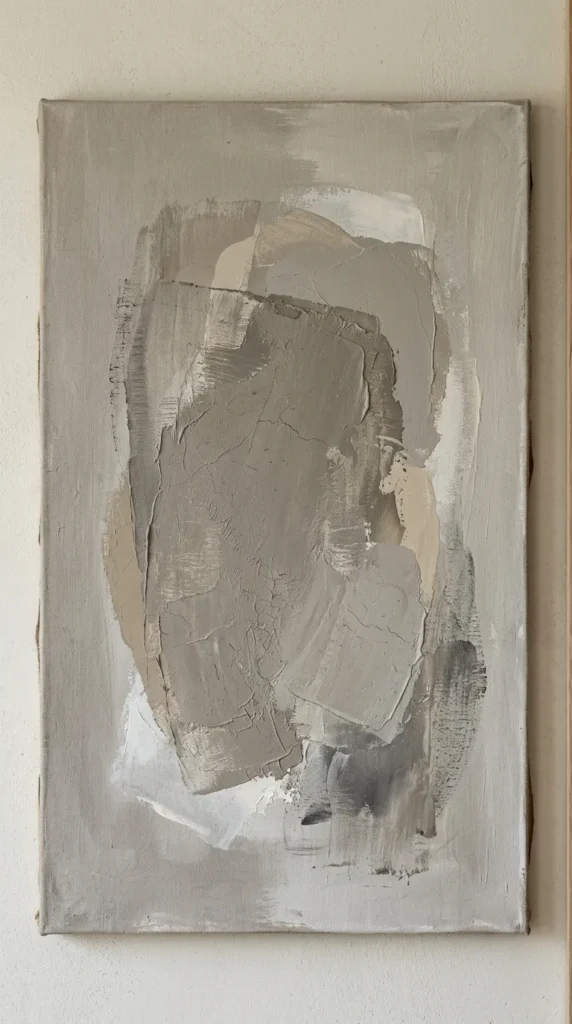
Wabi sabi paintings often work in narrow tonal ranges where the interest comes from subtle variations within a limited palette rather than from contrast between different colors. A painting in five tones of the same warm gray, or seven variations of warm white through deep cream, creates a visual complexity that requires genuine looking to fully appreciate and that depth of reward is itself a wabi sabi quality.
Tonal compositions in muted ranges suit the wabi sabi aesthetic because they require the viewer to slow down and look carefully in the same way that a worn stone or an aged piece of wood requires close inspection to reveal its beauty. The instant visual impact of high color contrast belongs to a different aesthetic. Wabi sabi painting works slowly on the person looking at it and the tonal composition is one of the primary tools for creating that slow and rewarding visual experience.
8. Allow the Material to Behave According to Its Own Nature
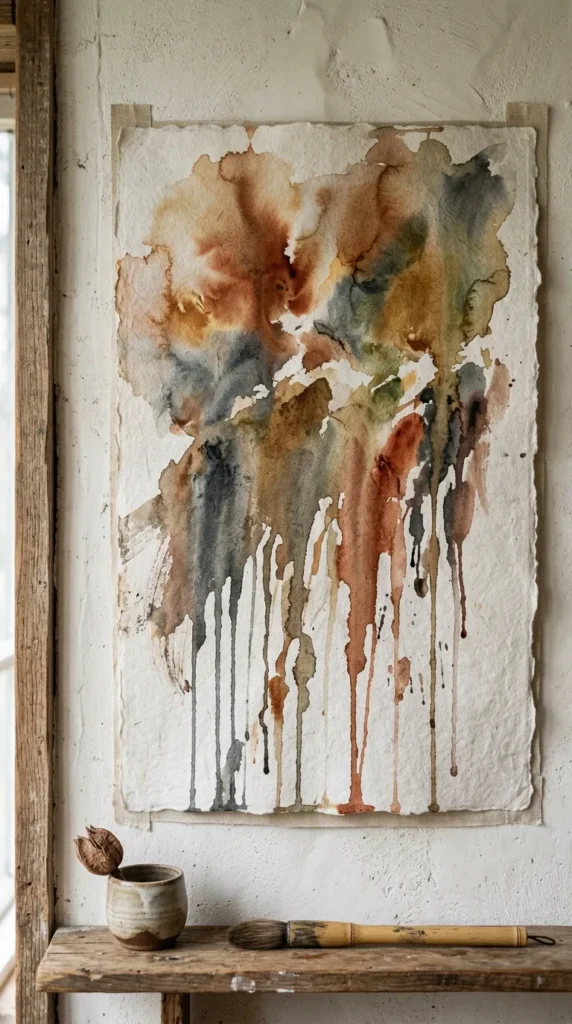
Wabi sabi has a deep respect for materials and their natural behaviors and this translates in painting to allowing the paint to do what paint naturally does rather than forcing it into a predetermined outcome. Watercolor that blooms and bleeds at the edge of a wet wash. Ink that spreads across a wet surface in unpredictable directions. Oil paint that levels and develops its own surface as it dries. Acrylic that dries slightly darker than it appeared when wet.
Working with the natural behavior of the material rather than against it produces wabi sabi paintings with a quality of rightness that controlled work often lacks because the material is expressing its own nature rather than being forced to express something else. This requires a letting go of outcome that is genuinely difficult for painters trained to control their materials. But the work that results from genuine material responsiveness has an authenticity that controlled technical work cannot replicate regardless of skill level.
9. Use Paper as a Ground for Its Inherent Fragility
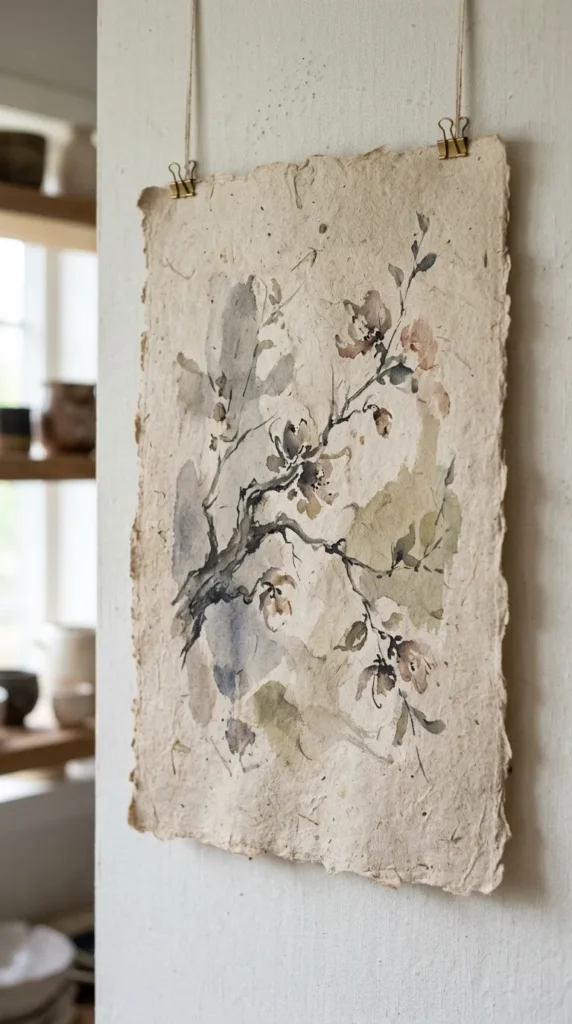
Painting on paper rather than canvas or board introduces an inherent fragility to the work that is itself a wabi sabi quality. Paper is a temporary surface. It ages, it yellows, it absorbs humidity, it tears at the edges. These qualities are not defects. They are the natural behavior of a natural material over time and in wabi sabi terms they make the work more beautiful rather than less.
Thick watercolor paper, handmade paper with visible fiber inclusions, or aged and toned paper all create grounds with their own character that contributes to the work painted on them. The texture of handmade paper shows through thin paint washes in a way that reveals the material beneath the image. The yellowing of aged paper creates a warmth that white paper lacks. Working on paper that already has character gives the painting a head start on the depth and texture that wabi sabi painting is trying to achieve.
10. Incorporate Natural Materials Into the Paint Surface
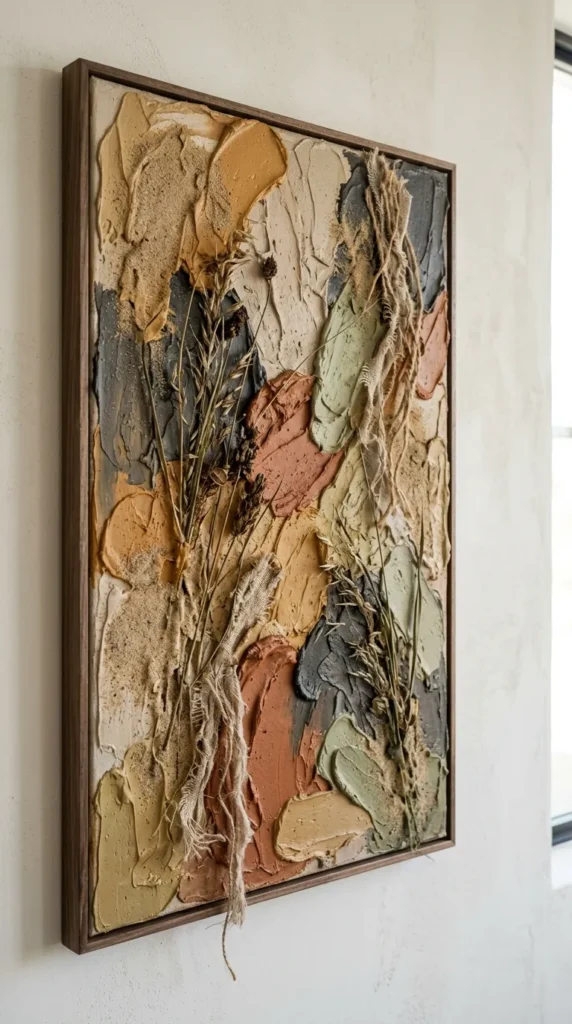
Adding natural materials directly into the paint surface creates wabi sabi paintings with literal connections to the natural world that pure pigment cannot achieve. Fine sand, dried plant matter, ash, natural fibers, crushed stone, and earth pigments all create surfaces with genuine material depth when incorporated into paint layers.
A painting where fine black sand is mixed into a dark paint layer creates a surface that catches light differently from any painted texture because the sand has a genuine physical presence that reflects and absorbs light according to its own natural properties. A painting where dried grass or plant stems are embedded in a thick paint layer creates surface elements with their own organic form and shadow. These natural material inclusions create wabi sabi paintings that are genuinely interesting to look at closely because there is always more to see than an initial glance reveals.
Looking to extend the Wabi Sabi aesthetic throughout your home? Discover 16 Small Closet Ideas Worth Trying for beautifully simple organization.
11. Frame With Natural Materials That Continue the Aesthetic
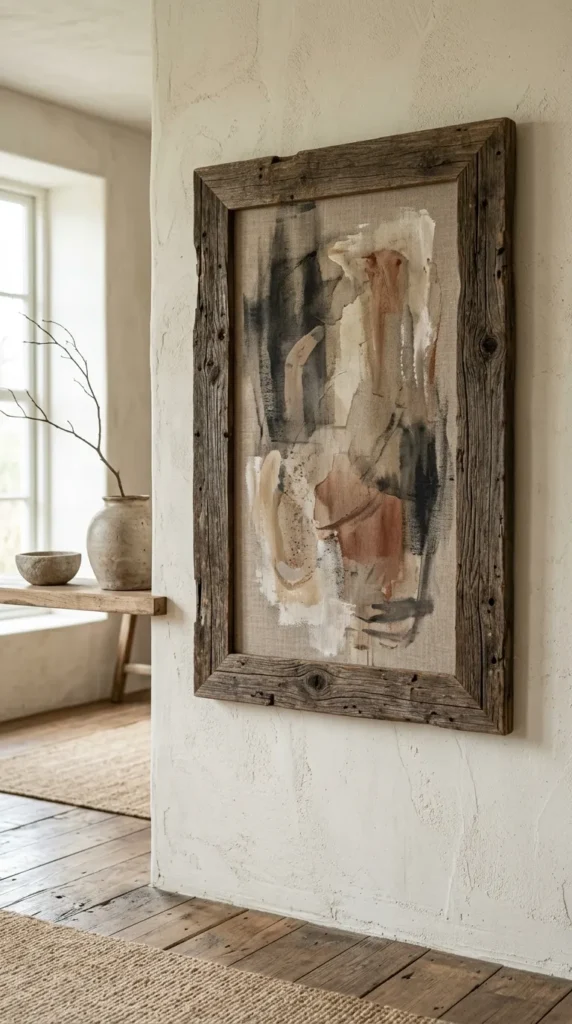
The frame around a wabi sabi painting is as much a part of the work as the painting itself because the frame determines how the painting is experienced in its context. A standard gallery frame with clean mitered corners and uniform finish creates a visual boundary that contradicts the honest imperfection of the work inside it. A frame in a natural material that continues the aesthetic of the painting rather than contrasting it completes the work rather than framing it.
Reclaimed wood frames with visible grain, knots, and evidence of previous use suit wabi sabi paintings because the material history of the wood belongs to the same aesthetic as the painting inside it. Unfinished wooden frames that show the raw wood rather than a lacquered or painted surface create a similar quality. A minimal bamboo frame, a frame made from bundled natural fiber, or even no frame at all with the painting simply hung on the wall by its raw edge are all approaches that continue the wabi sabi aesthetic from the painting surface into its presentation.
12. Accept and Incorporate Mistakes Rather Than Correcting Them
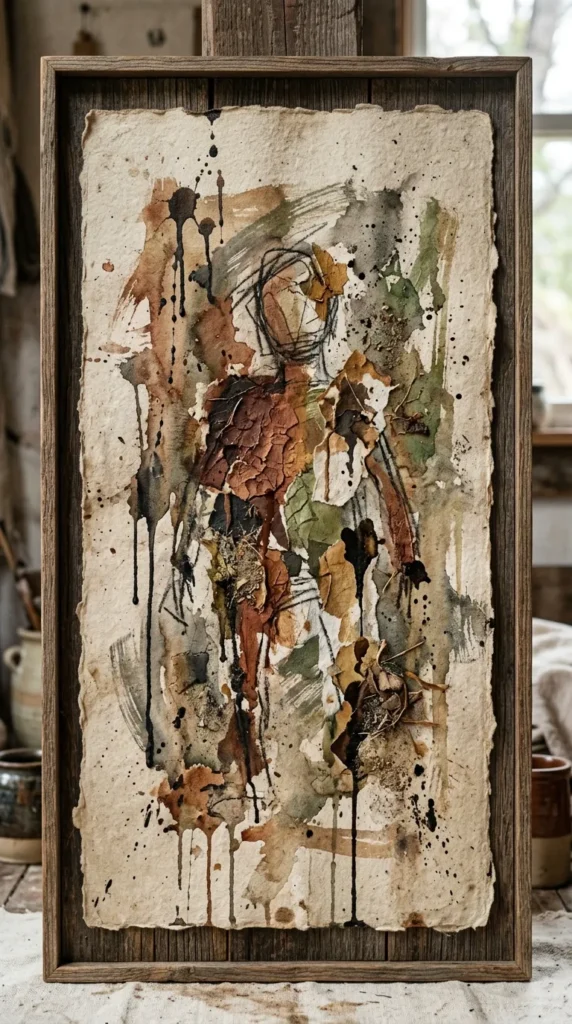
The wabi sabi approach to mistakes in painting is fundamentally different from the conventional approach. Where most painters correct mistakes by painting over them or starting again, wabi sabi painting treats mistakes as information about the natural behavior of the materials and the honest limits of the maker and incorporates them into the work rather than eliminating them.
A paint drip that was not intended becomes a mark with its own character. An area where the paint lifted unexpectedly when a layer was applied becomes a texture with genuine depth. A color that mixed differently than planned becomes a tone that the painting needed even though it was not chosen. The capacity to receive these unintended events as contributions rather than problems is one of the most important skills in wabi sabi painting and it is a capacity that develops with practice rather than instruction.
13. Let the Painting Age and Resist Varnishing It
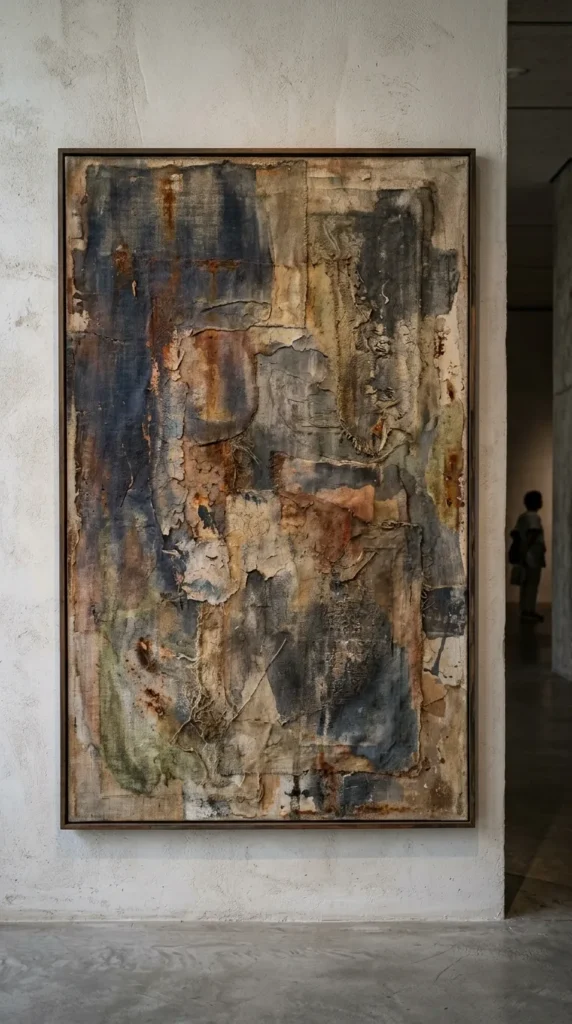
Most paintings are varnished after completion to protect the surface and unify the finish. Wabi sabi paintings are often better left unvarnished because varnish creates a uniform surface sheen that erases the subtle variations in texture and finish that make wabi sabi work interesting. It also prevents the painting from aging naturally which is a quality that wabi sabi aesthetics value rather than resist.
An unvarnished wabi sabi painting will change over time. The surface will develop slight variations. Dust will settle into textured areas and become part of the surface rather than sitting on top of it. The paper or canvas will age and the colors will shift slightly. These changes are not damage. They are the painting continuing to develop beyond the moment of its making and that ongoing development is itself a wabi sabi quality. A painting that is finished when you put the brush down is less interesting than one that continues to change in response to time and environment.
Final Thoughts
Wabi sabi painting lasts not because it is technically durable or stylistically timeless but because it is honest. Honest about the materials it is made from, the process that made it, and the imperfection that is inseparable from anything genuinely handmade. That honesty creates work that does not date in the way that technically accomplished or stylistically fashionable work does because honesty is not a trend and imperfection is not an era.
Start with the palette and the surface. Restrict the colors to earthy tones and prepare the ground with genuine texture. Then work slowly and allow what happens to happen rather than forcing a predetermined outcome. The paintings that result from that process will have a quality that no amount of technical skill applied to a different set of values can produce. They will look like they were made by someone who understood that the making is as important as the made thing and that the imperfection of both is where all the real beauty lives.