What Makes a Dining Room Feel Modern
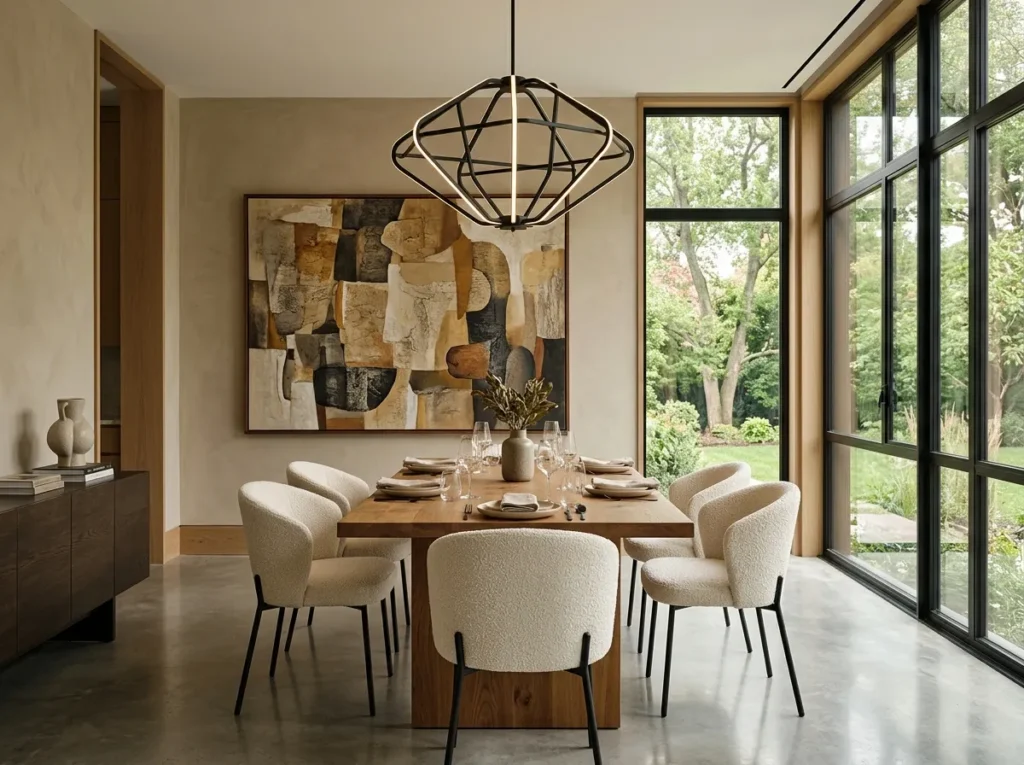
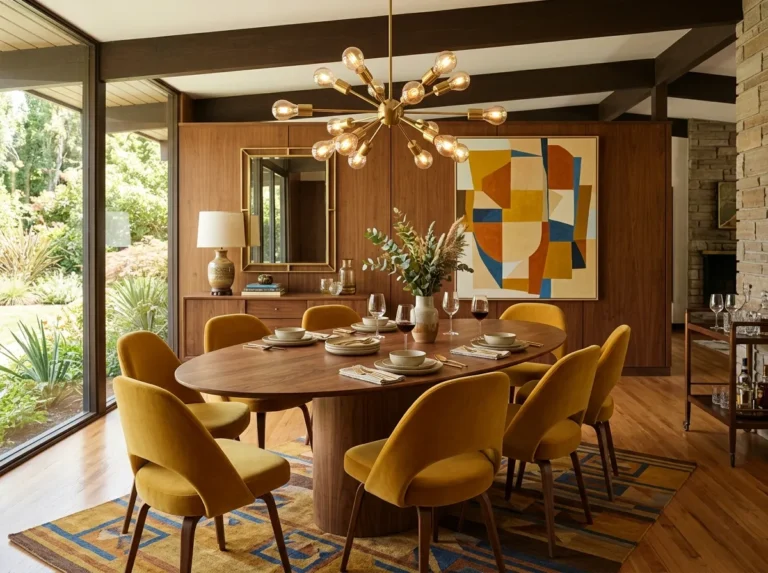
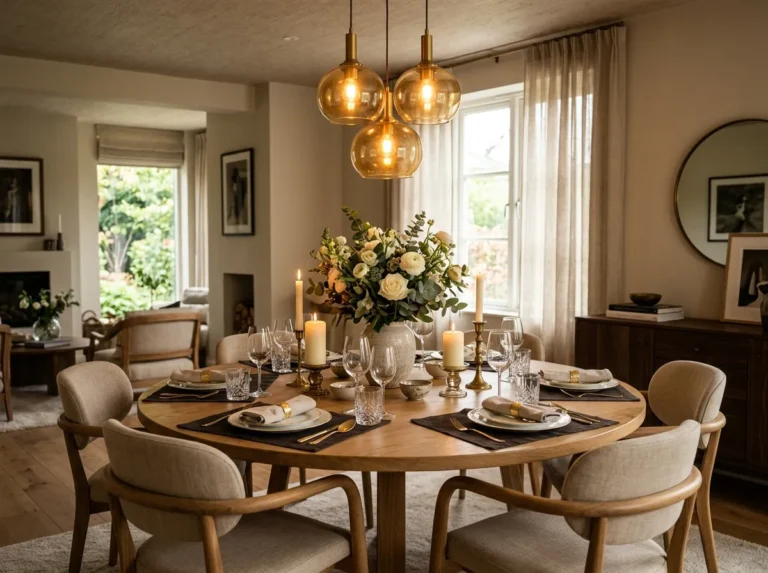
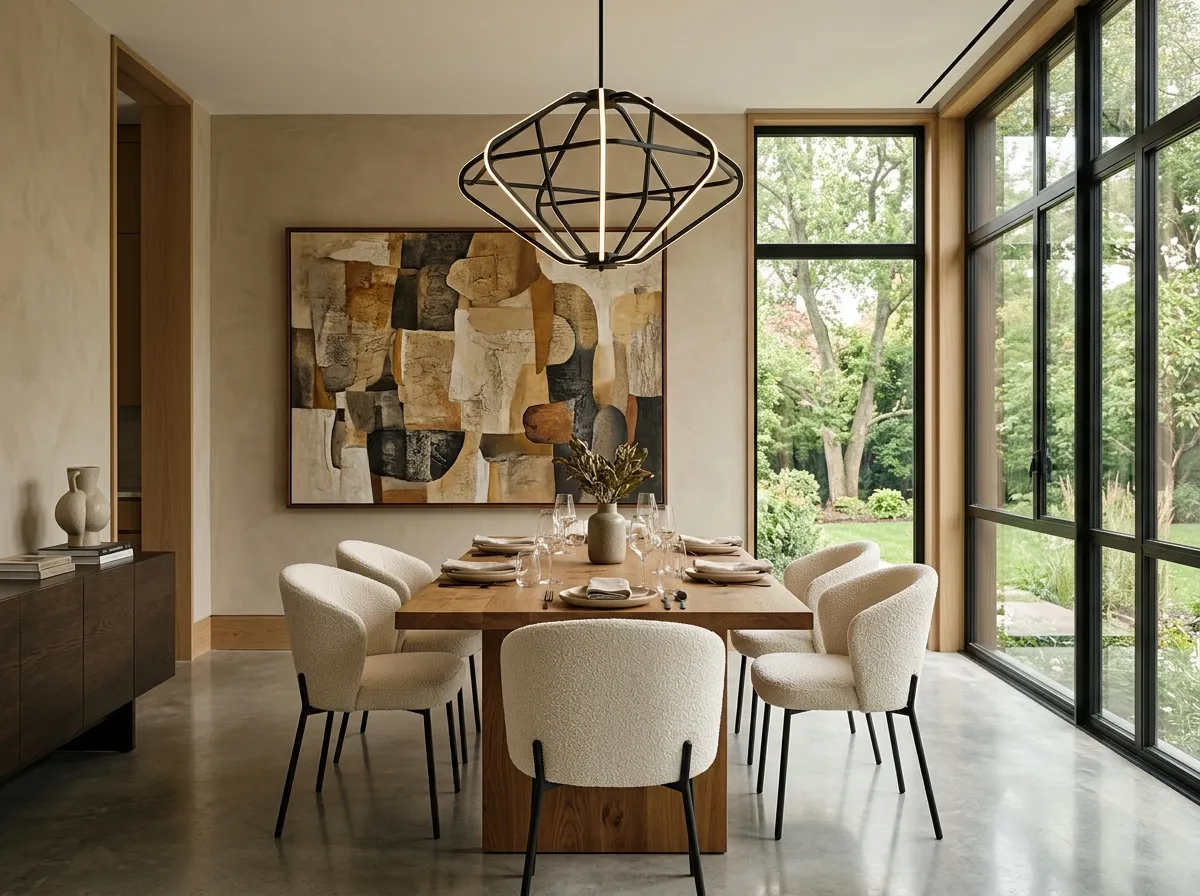
Modern dining rooms are misunderstood more than almost any other interior style. People hear modern and picture something cold and uncomfortable, a glass table, chrome chairs, everything white and hard and clinical. That version of modern exists but it is not what modern dining rooms actually are when they are done well. The modern dining rooms worth wanting are warm and considered and genuinely comfortable. They just achieve that warmth through different means than traditional rooms do. Instead of ornament and pattern they use material quality and proportion. Instead of many things they use fewer things chosen more carefully. Instead of decorative detail they use honest construction.
I spent years thinking I preferred traditional interiors before I walked into a properly done modern dining room and realized what I had actually been reacting against was bad modern rather than modern itself. The room had a long oak table with simple chairs, a single statement pendant hung low, walls in a deep warm putty tone, and nothing on the table except a single ceramic vase with one branch in it. The room was quiet and completely certain of itself. Every meal in a room like that would feel worth having. These 14 ideas explain what creates that quality and how to achieve it in a real dining room rather than a magazine photograph.
1. A Table With Clean Lines and Honest Material
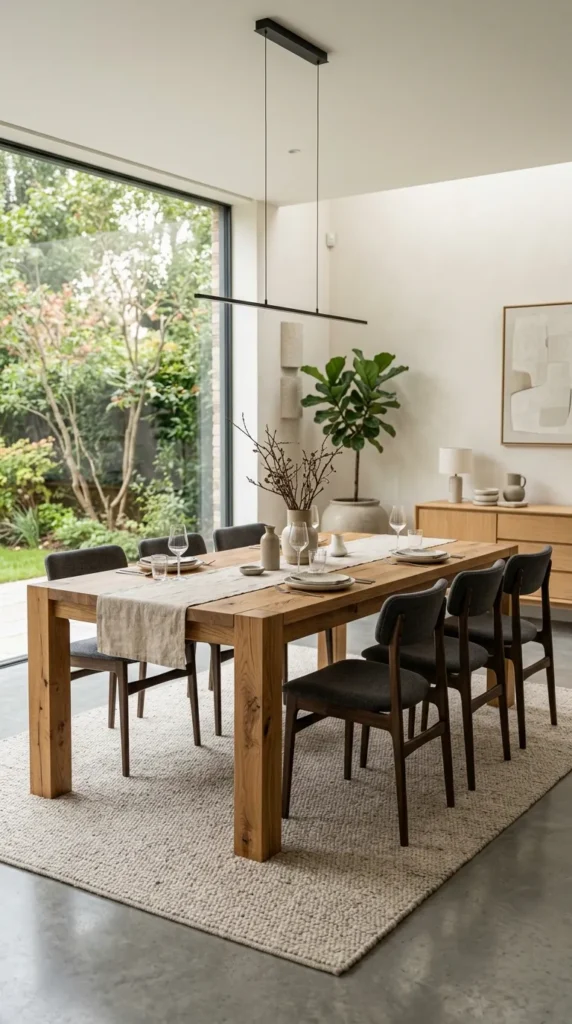
The dining table is where modern dining rooms either work or fall apart. A table with clean undecorated lines in an honest material, solid oak, walnut, concrete, marble, or dark steel, creates the foundation that everything else in the room builds from. The material should be visible and genuine rather than laminated or veneered because modern design values the truth of what things are made from.
A solid oak table with straight legs and no decorative carving or turned detail creates a surface with quiet authority. The grain of the wood is the only pattern and that is enough. Marble creates a similar quality through its natural veining which provides visual interest without requiring any additional decoration. The table in a modern dining room is not trying to be beautiful through elaboration. It is beautiful through the quality of its material and the honesty of its construction and that is a completely different and more lasting form of beauty.
2. Chairs That Mix Materials Intentionally
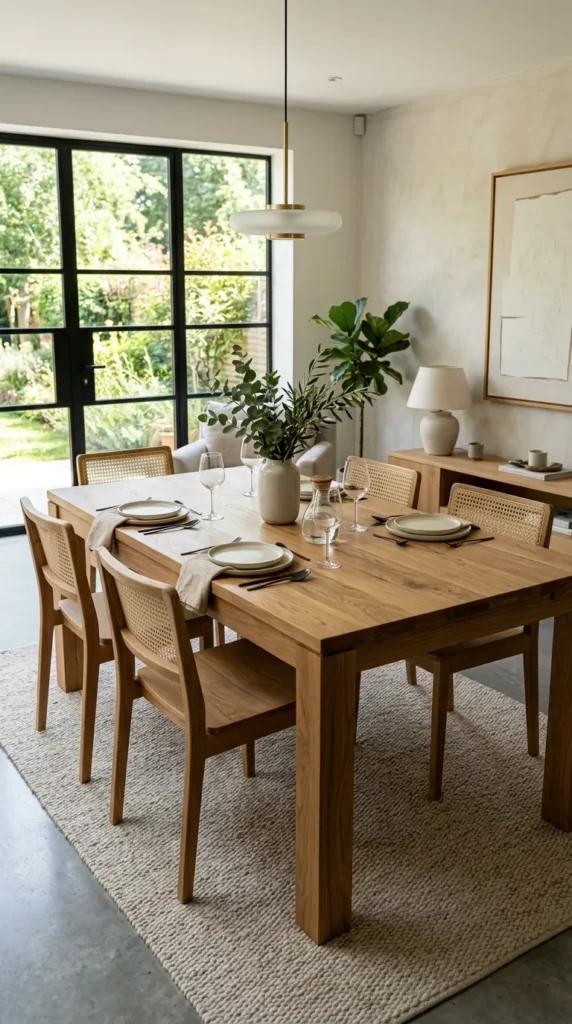
Modern dining rooms often mix chair materials intentionally rather than using a matching set. Wooden seat frames with upholstered seats, metal legs with molded shells, or a mix of different chair styles unified by a consistent color create a dining room with visual interest that feels collected rather than purchased as a set.
The mix works when there is a consistent thread connecting the different chairs. All chairs in the same color but different materials. All chairs in the same material but different forms. All chairs with the same leg style but different seat shapes. The consistency provides the visual cohesion and the variation provides the interest. A fully matching dining set in a modern room reads as catalogue rather than considered. The intentional mix reads as having been thought about rather than simply ordered.
3. A Single Statement Light Rather Than Multiple Fixtures
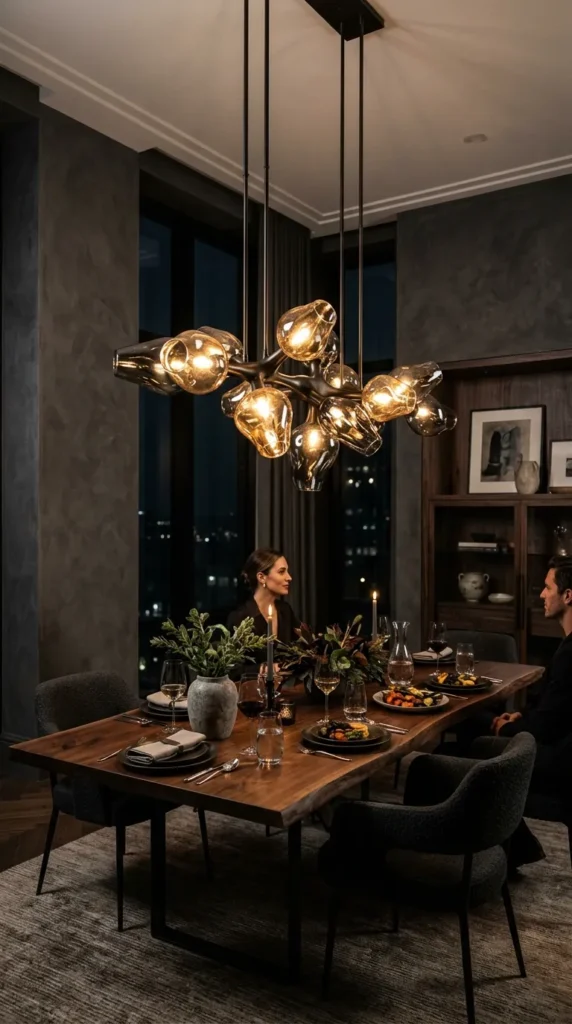
Modern dining rooms typically use one genuinely good light fixture above the table rather than multiple fixtures competing for attention. The single statement pendant or chandelier creates a clear focal point and prevents the ceiling from becoming busy in a room where busyness is specifically what the design is trying to avoid.
The fixture should be substantial enough to anchor the room by itself. A pendant that is the right size and hung at the right height, 30 to 34 inches above the table surface, becomes the room’s strongest visual statement and everything else organizes around it. The material of the pendant matters as much as its form. Aged brass, smoked glass, matte black metal, woven rattan, and ceramic all create fixtures with genuine presence without requiring decorative elaboration.
Modern dining rooms look even better with inspiring wall treatments. Explore 19 Dining Room Wall and Wallpaper Ideas for creative design ideas.
4. Walls in a Deep Warm Neutral Rather Than White
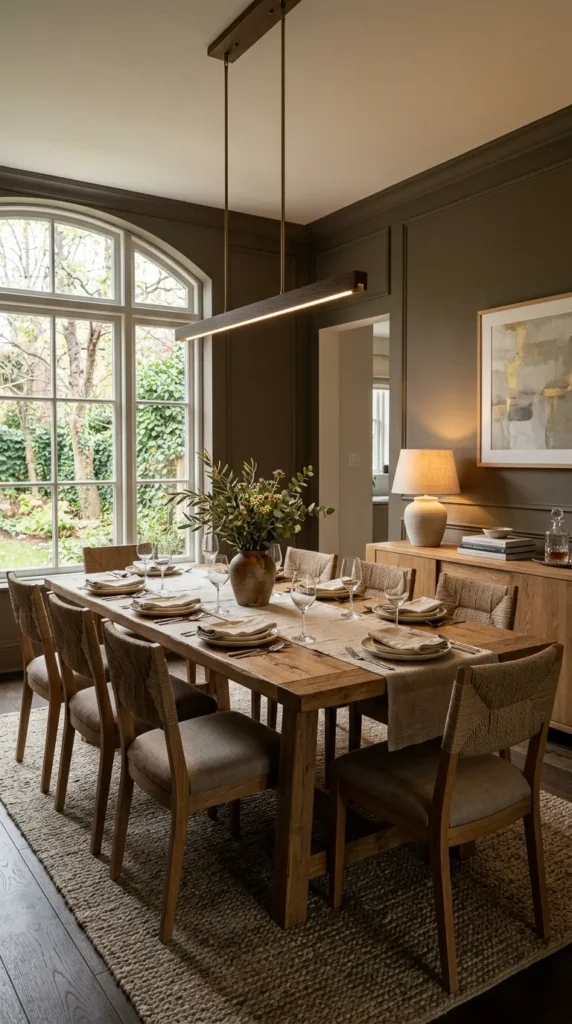
White walls in a modern dining room create the cold clinical quality that gives modern interiors an undeserved bad reputation. Deep warm neutrals, warm putty, soft terracotta, aged linen, dusty sage, deep greige, create rooms that feel modern in their restraint but warm in their color temperature which is exactly the combination that makes modern dining rooms genuinely liveable.
The depth of the color matters. A pale warm neutral reads as almost white and achieves little. A deep warm neutral that has real presence on the wall creates a room with atmosphere that white cannot produce. Modern does not mean pale. It means considered. A deeply considered warm neutral on four dining room walls creates more atmosphere than any bold or trendy color applied without equal thought.
5. Furniture With Visible Joinery and Construction
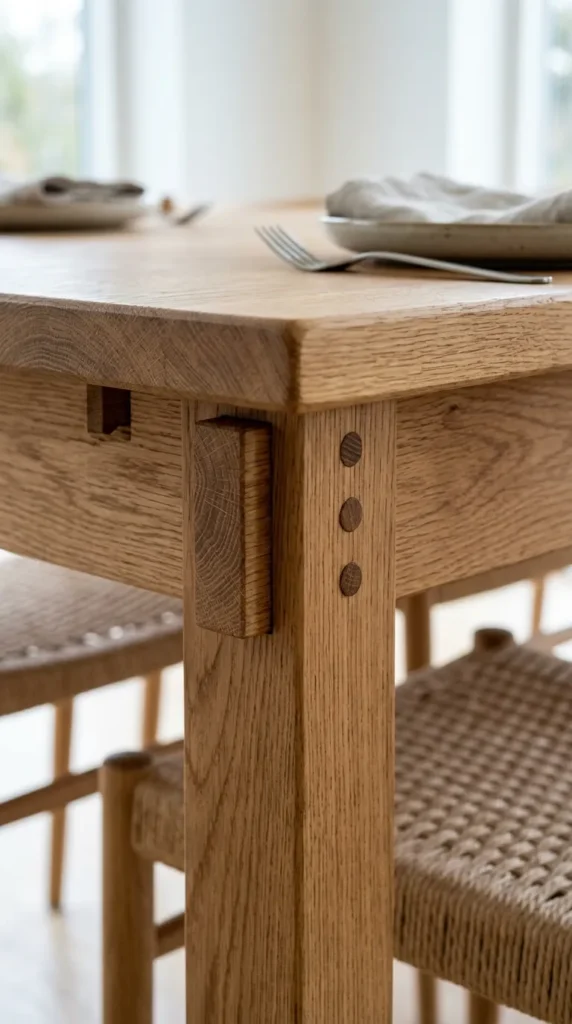
Modern design has a consistent appreciation for visible construction, the way things are made being part of how they look rather than something concealed by decoration or cladding. Dining tables where the joinery between the legs and the top is visible and considered, chairs where the way the back meets the seat is a deliberate design detail, sideboards where the grain direction of the wood panels creates a visual pattern are all examples of how modern furniture achieves beauty through honest construction.
When shopping for modern dining room furniture look at how pieces are made rather than just how they look. A table where the legs are attached with a visible stretcher that creates a strong horizontal line between them is making a structural decision that is also a design decision. A chair where the back legs continue upward in a single piece to form the back uprights is showing you its construction and that honesty is what makes it feel modern rather than imitative of period furniture.
6. A Sideboard or Credenza With Clean Horizontal Lines
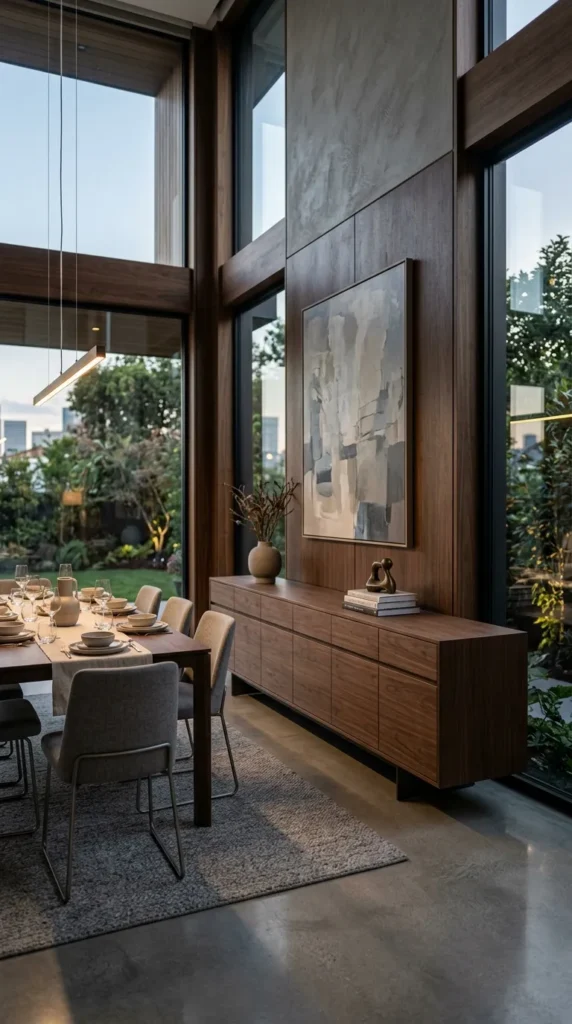
A sideboard or credenza against one dining room wall provides practical storage while contributing significantly to the modern quality of the room through its horizontal emphasis. Long and low sideboards with clean lines and simple hardware create a strong horizontal ground plane in the room that anchors the wall and gives the dining room a sense of settled proportion.
Modern sideboards in solid wood with simple push to open or recessed handle drawers and doors look genuinely expensive without elaborate hardware or carved detail. The horizontal line of the top surface creates a natural display area for a single object, a ceramic vase, a sculptural piece, a small plant, where one well chosen thing looks more considered than a cluster of many things. This restraint on the sideboard surface is itself a modern quality, knowing that less is more effective than more.
7. Textiles That Add Warmth Without Pattern
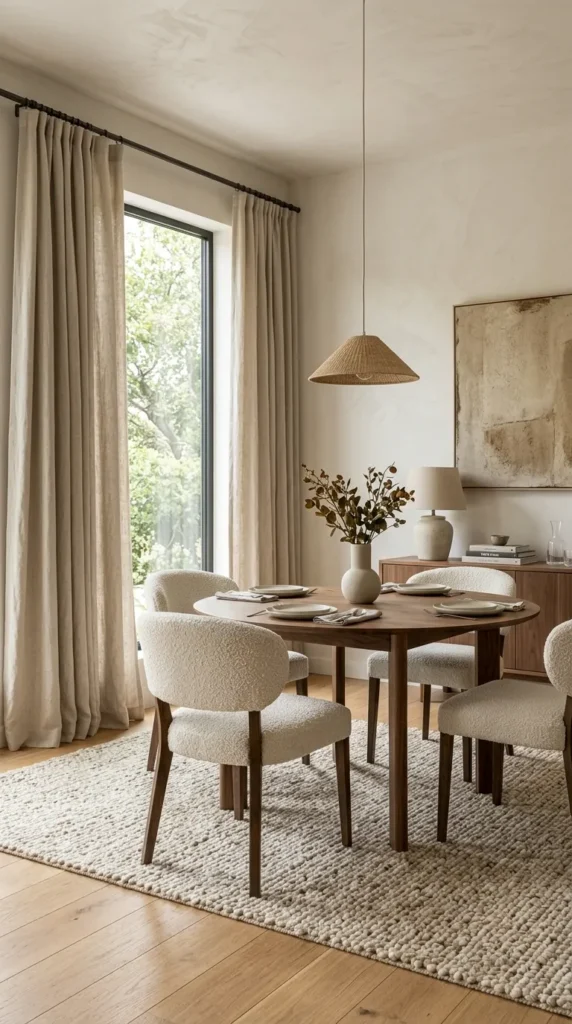
Modern dining rooms use textiles to add warmth and texture without introducing the busy pattern that would undermine the clarity of the space. Solid linen chair upholstery, a textured wool rug under the table in a warm neutral tone, simple cotton napkins in a single color, and heavy linen curtains in a tone similar to the walls all add tactile warmth without visual complexity.
The texture of the textile rather than its pattern does the work in a modern dining room. A deeply textured boucle fabric on a dining chair is interesting to look at and warm to touch without introducing any pattern that competes with the clean lines of the room. A jute or wool rug with a simple woven structure adds warmth to the floor level without the geometric or floral patterns that would pull the room in a different direction. Texture without pattern is one of the key distinctions between modern and minimal. Modern allows texture freely. It just asks that the texture is in the material rather than printed onto it.
8. One Piece of Significant Artwork Rather Than a Gallery
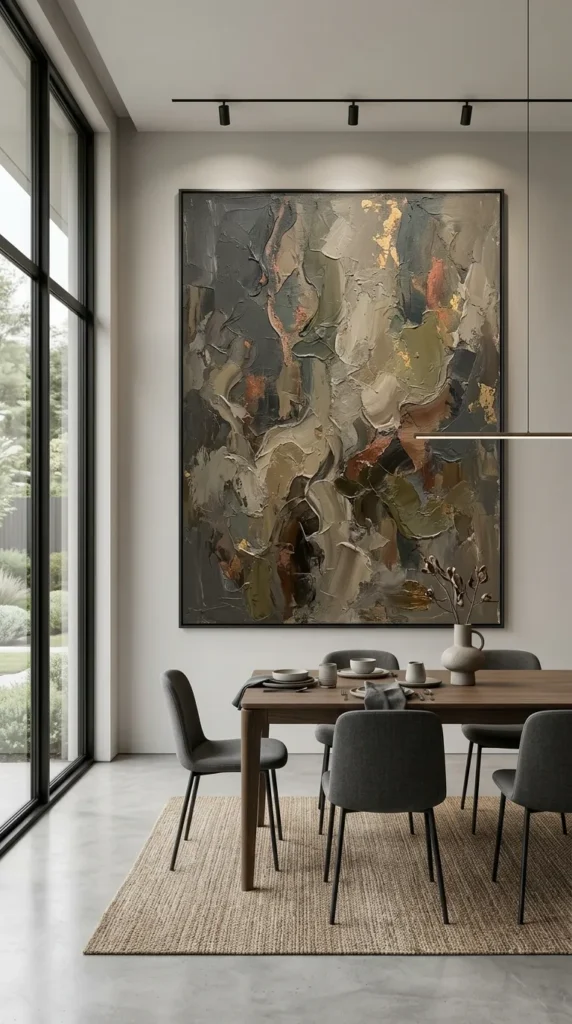
A single large piece of artwork on one dining room wall creates a stronger modern statement than a gallery wall of multiple smaller pieces. The gallery wall is a genuinely beautiful approach in other interior styles but in a modern dining room it introduces the kind of visual busyness that modern design specifically avoids.
The single large artwork should be genuinely large, at least half the width of the wall it occupies, and hung lower than conventional guidance suggests, roughly at seated eye level rather than standing eye level, so that it is experienced at the right scale when people are sitting at the table. Abstract work in a limited color palette suits modern dining rooms particularly well because the lack of figurative subject matter keeps the artwork feeling aligned with the restraint of the room rather than competing with it.
9. Natural Light Treated as a Design Element
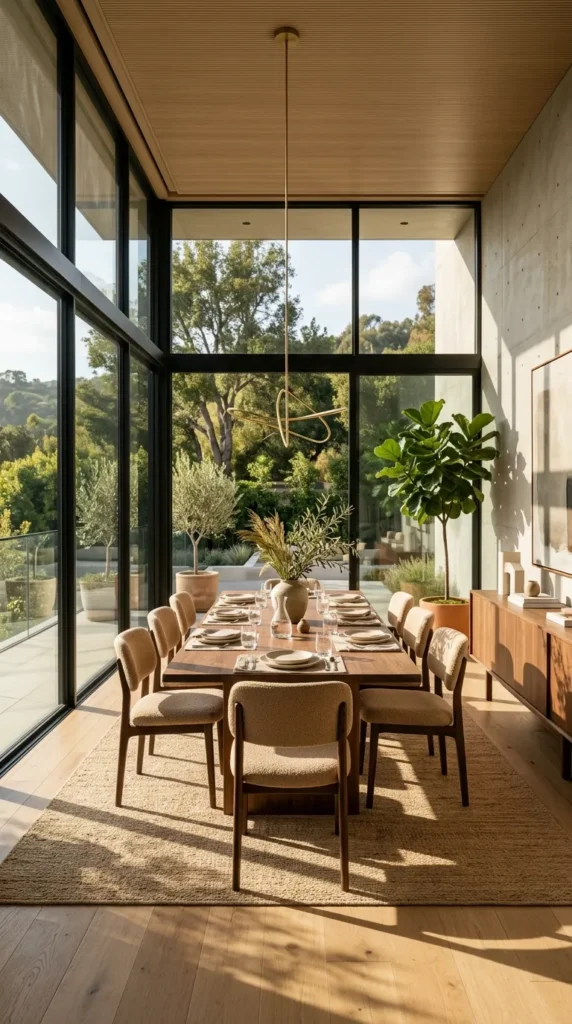
Modern dining rooms treat natural light as a material rather than just a practical requirement. Large windows left unadorned or dressed with minimal sheer panels, skylights positioned to bring light to the ceiling above the table, and glazed doors that connect the dining room to an outdoor space all contribute to a quality of natural light that becomes part of the room’s atmosphere at different times of day.
The way light moves through a modern dining room throughout the day is part of what makes it interesting to be in. Morning light in a modern dining room feels different from afternoon light which feels different again from the warm electric light of an evening meal. A room that is responsive to the changing quality of natural light has a life to it that artificially maintained rooms do not. This responsiveness is easier to achieve when window treatments are minimal because heavy curtains and elaborate blinds reduce the room’s ability to change with the light rather than allowing it.
If you love rich colors and dramatic spaces, don’t miss 17 Color Drenched Dining Rooms Done Right for bold decorating inspiration.
10. A Rug That Defines the Dining Zone
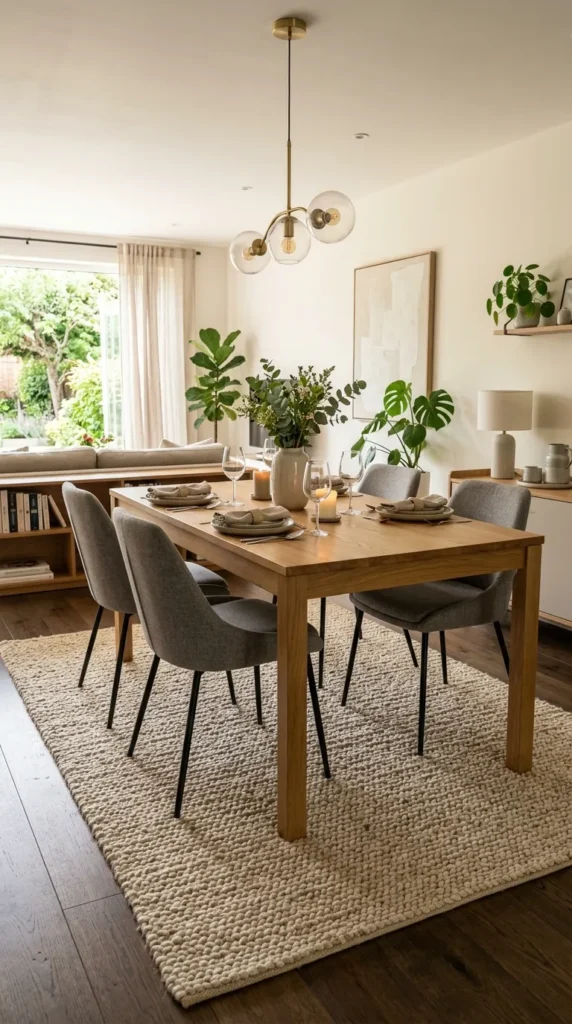
A large rug under the dining table in a modern dining room does two things simultaneously. It defines the dining zone within a larger space, which is particularly important in open plan living areas where the dining room exists as a space within a space rather than within its own walls. And it adds warmth and acoustic softness to a room that might otherwise feel hard and echo prone.
The rug in a modern dining room should be large enough that all chair legs sit on it even when chairs are pulled out from the table. A rug that is too small for the table and chairs reads as an afterthought rather than a decision. The pattern should be minimal, a simple geometric weave, a subtle stripe, or a solid textured surface, rather than a bold pattern that competes with the furniture above it. Natural fibers, wool, jute, sisal, and cotton, all suit modern dining rooms because they contribute warmth and texture from honest materials rather than synthetic ones.
11. Handles and Hardware in a Single Consistent Finish
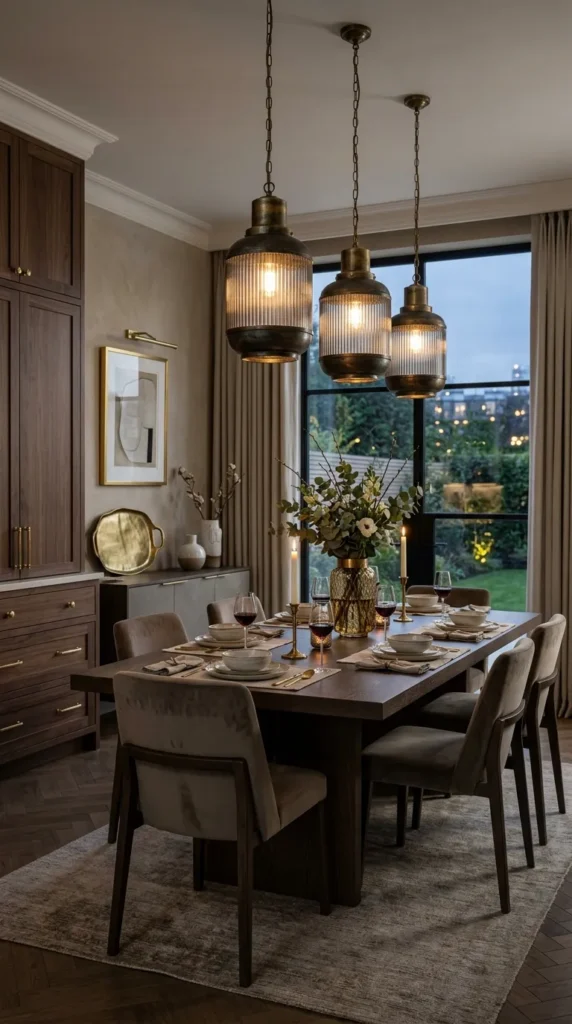
The handles on a sideboard, the pendant light finish, the curtain rod brackets, the picture hanging hardware, and any other metal details in a modern dining room should all share a single finish. This consistency in the metalwork creates cohesion across the room that makes everything feel connected rather than assembled from separate purchases.
Aged brass creates the warmest and most forgiving metalwork for modern dining rooms because it reads as considered rather than cold and coordinates with both warm and cool wall colors. Matte black creates a more graphic and contemporary quality. Satin or brushed steel creates a more industrial quality. Whichever finish you choose should appear in at least three or four different places in the room before the consistency starts working as a design decision rather than a coincidence.
12. No Clutter on Surfaces at Any Time
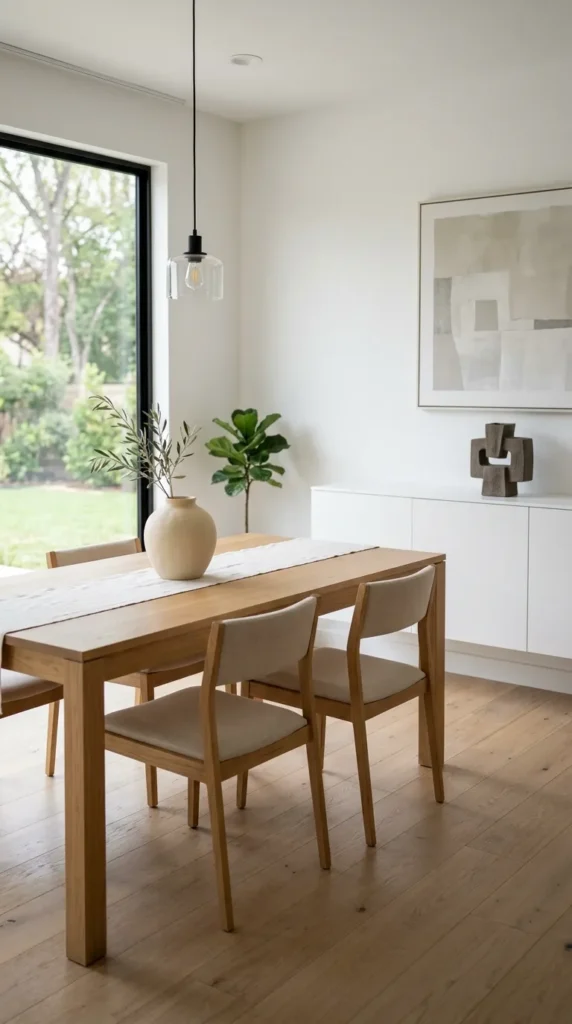
The most modern thing you can do in a dining room costs nothing. It is removing everything from the surfaces that does not need to be there. The sideboard top, the table surface, the windowsill. Modern rooms hold their quality only when the surfaces are clear because clutter undermines the visual clarity that makes modern design work.
This does not mean empty. It means edited. One ceramic object on the sideboard top. One vase on the table. Nothing on the windowsill. Each surface has one deliberate thing on it rather than an accumulation of things that arrived over time. Achieving this in a real room that is used daily requires a storage solution for the things that need to be accessible but should not be permanently visible. A sideboard with good internal storage, a drawer unit, or a built in cabinet with doors all enable the surface clarity that makes modern dining rooms feel genuinely modern rather than just aspirationally so.
13. Plants as the Only Decorative Softness
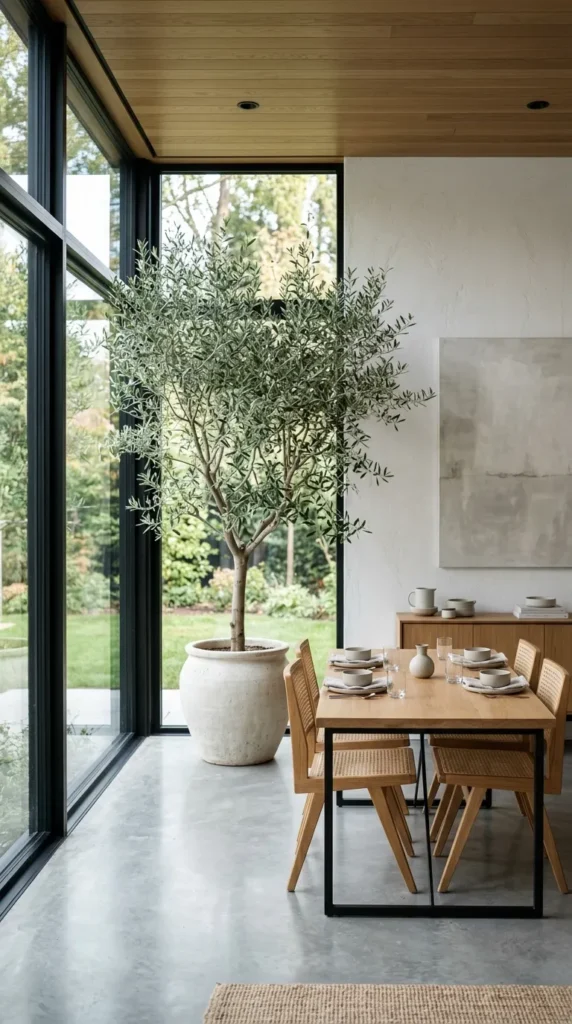
In a modern dining room a single plant or a small grouping of plants provides the organic softness and visual relief from the hard and considered materials around it without introducing the decorative complexity of artwork, pattern, or ornament. The plant is living and therefore genuinely different from everything else in the room in a way that no manufactured object can replicate.
A single large leafed plant in a simple ceramic pot on the floor near the dining room window creates a presence that softens the room without decorating it. A small plant on the sideboard in a beautiful pot adds life to the surface without requiring additional objects to create visual interest around it. Modern dining rooms benefit from plants precisely because the restraint of the surrounding design makes the plant’s organic quality more visible and more valuable than it would be in a busier room where it would simply be one more thing among many things.
14. Everything in the Room Chosen for Longevity
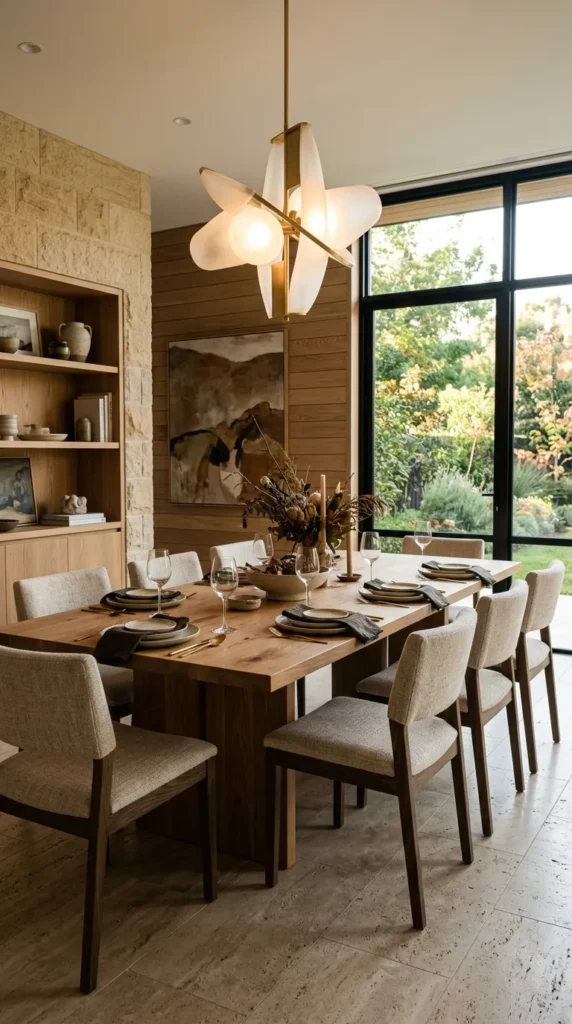
The most fundamentally modern quality in a dining room is not any specific style detail. It is the intention behind every object in the space. Modern design at its best is about choosing things that will last and look right for decades rather than things that are currently fashionable and will feel dated within a few years.
A solid oak table, simple chairs in honest materials, a well proportioned pendant in a timeless finish, walls in a deep warm neutral that is not tied to a specific trend year. Each of these choices is modern not because it references contemporary design movements but because it reflects the values that modern design has consistently held, honesty of material, clarity of form, and respect for the person using the space over the life of the thing. A dining room built on those values will feel modern in ten years in a way that a room built on current trends absolutely will not.
Final Thoughts
A modern dining room is not a style exercise. It is a set of values applied consistently to a space where people eat and gather. The values are clarity over clutter, material quality over surface decoration, honest construction over elaboration, and warmth through texture and proportion rather than through pattern and ornament. Applied consistently these values create dining rooms that feel genuinely modern without feeling cold, genuinely simple without feeling sparse, and genuinely considered without feeling self conscious.
Start with one decision from this list and let it lead you to the next. A better table leads to chairs that suit it. Chairs that suit the table lead to a light that works above both. A light that works leads to walls in a color that makes the whole composition feel right. The modern dining room builds itself from good individual decisions made in relationship to each other. Make the first one well and the rest follow more naturally than you expect.