17 Ways to Get Dining Room Lighting Right
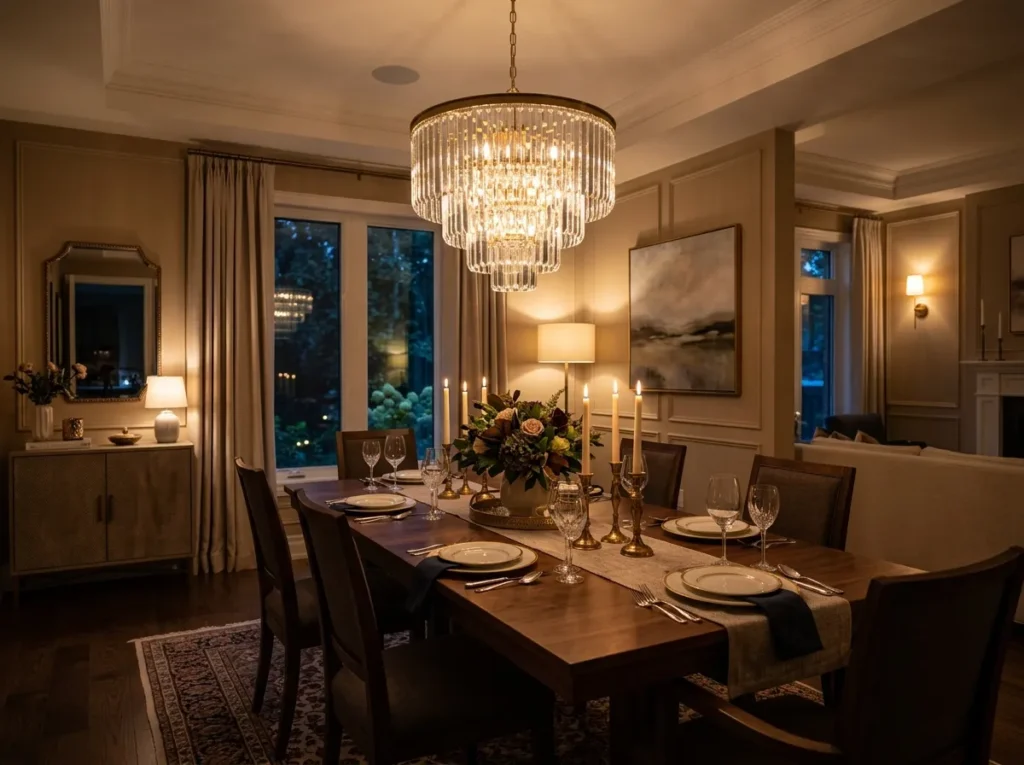
Bad dining room lighting ruins more meals than bad cooking does. I know that sounds extreme but think about the last time you sat under a harsh overhead light while trying to enjoy a dinner and notice how different that felt from a meal eaten by candlelight or under a warm pendant hung low over the table. The food was probably the same. The people were the same. But the experience was completely different because lighting is not just about seeing. It is about feeling. It shapes how comfortable people are, how long they stay, how openly they talk, and whether the meal feels like an occasion or an obligation.
Most dining rooms get lighting wrong in the same few ways. One overhead fixture on full brightness with no dimmer. A pendant hung too high. Bulbs in the wrong color temperature that make food look grey and skin look tired. These are fixable problems and none of them require major renovation. Getting dining room lighting right is mostly about understanding a few key principles and then applying them consistently. These 17 approaches cover every aspect of dining room lighting from the fixture itself to the bulb choice to the layered ambient touches that together create a room where every meal feels genuinely worth having.
1. Hang Your Pendant Lower Than You Think You Should
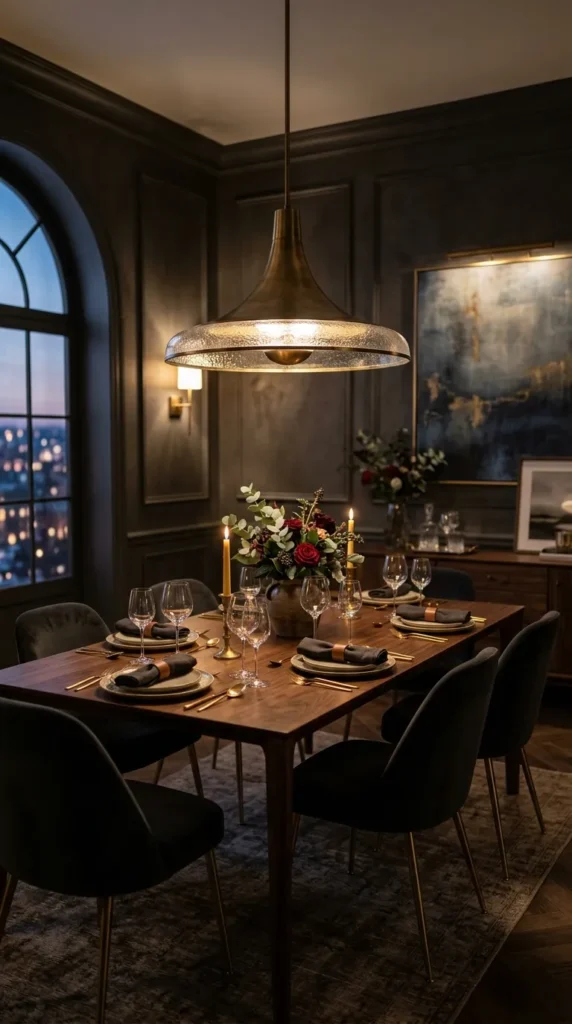
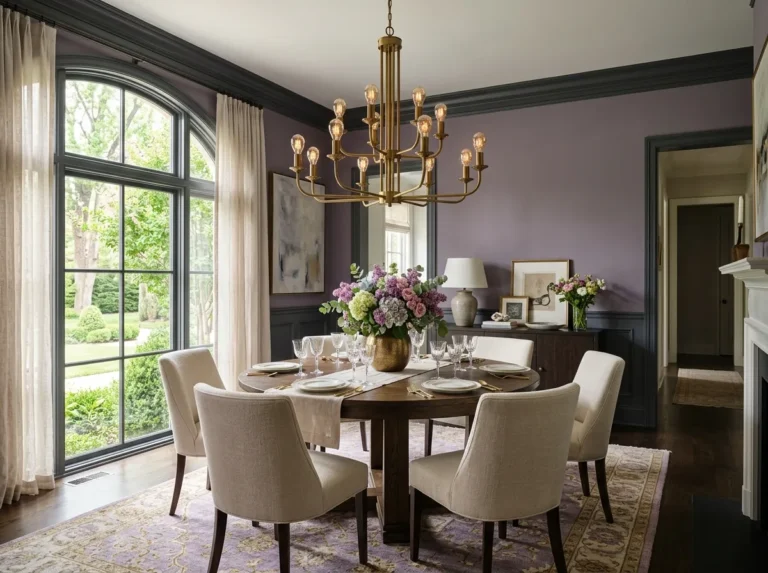
The single most common pendant light mistake in dining rooms is hanging the fixture too high. A pendant hung at ceiling height or even midway up the wall illuminates the room generally but creates no intimacy at the table level where people actually sit and eat. A pendant hung low, between 28 and 34 inches above the table surface, creates a pool of warm light that focuses on the table and the people around it.
The lower position also makes the fixture feel like part of the table composition rather than a separate ceiling element. It draws the eye down toward the meal rather than up toward the ceiling. If you currently have a pendant hung high in your dining room, lowering it on the cord or chain is a free and immediate improvement that changes the atmosphere of the room more than almost any other single adjustment.
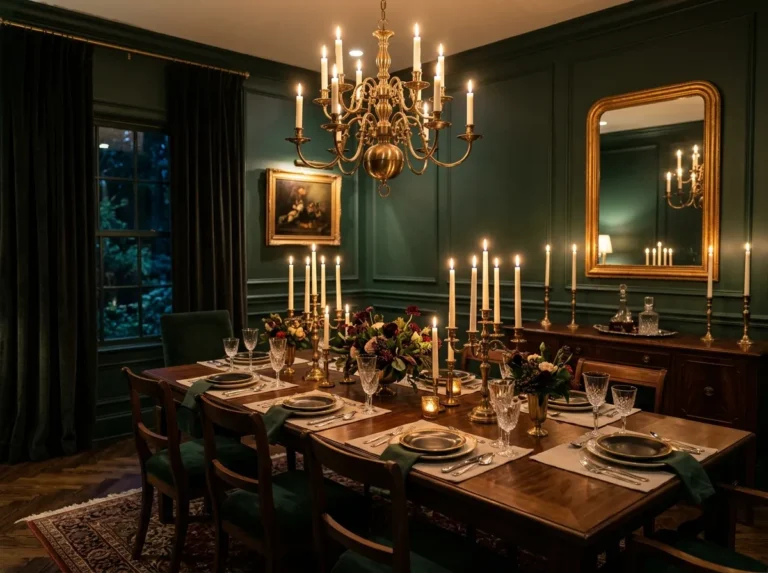
2. Install a Dimmer Switch Before Anything Else
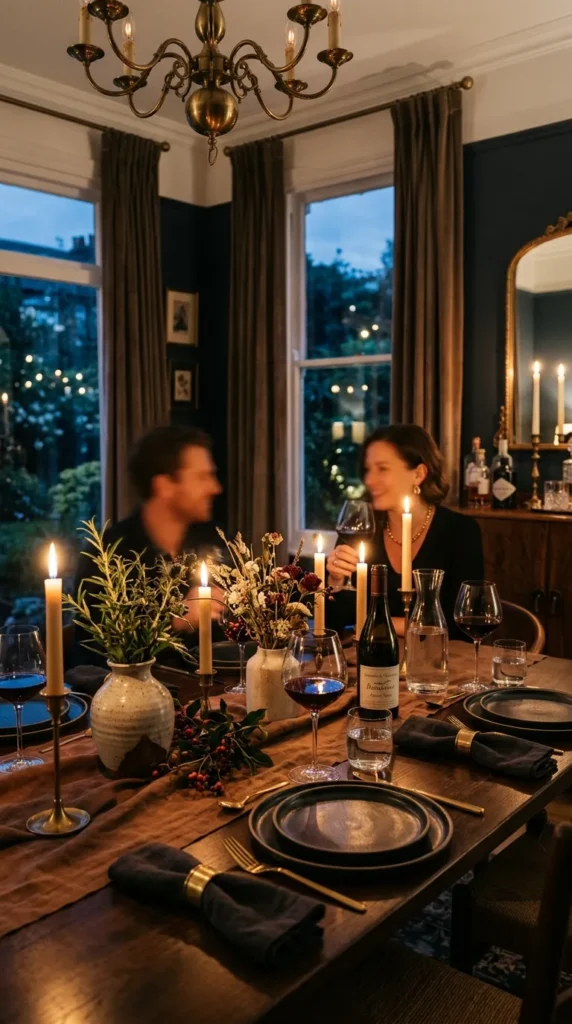
A dimmer switch is the most impactful and least expensive lighting upgrade available in any dining room. It costs very little to install and transforms the same fixture and the same bulbs into something that can serve breakfast, homework, a casual weeknight dinner, and a formal gathering equally well simply by adjusting the level of light.
Full brightness for practical tasks like clearing the table and setting it. Medium brightness for everyday family meals. Low warmth for entertaining and dinner parties. The dimmer does not change the fixture or the bulb. It changes the entire emotional quality of the room by controlling how much of that light actually reaches the space. If your dining room has one overhead light on a standard switch and no dimmer, installing one should happen before you change anything else.
3. Choose Bulbs in the 2700K Warm White Range
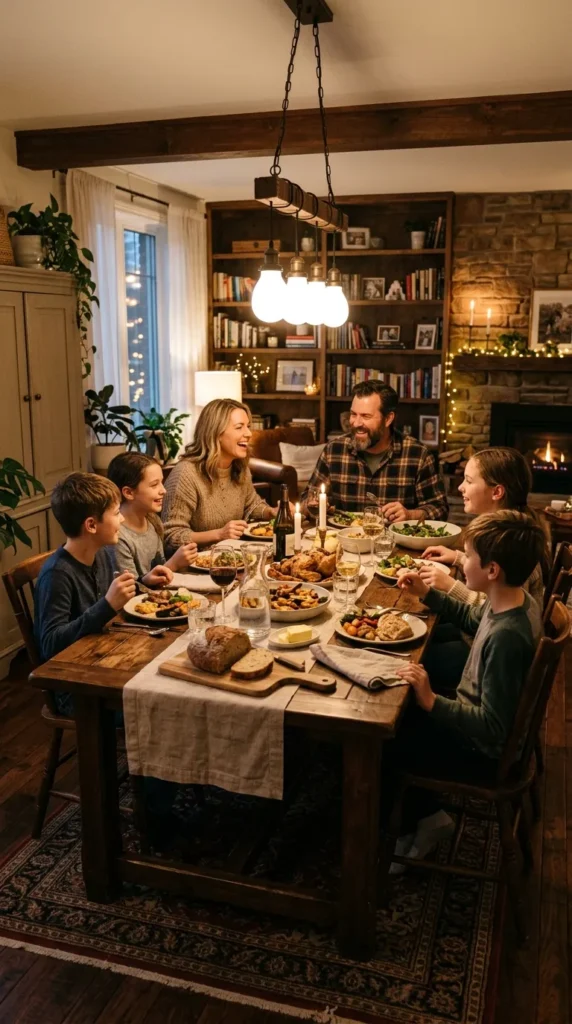
Bulb color temperature is measured in Kelvin and most people have never looked at this number when buying bulbs despite the fact that it determines whether a room feels warm and inviting or clinical and cold. The 2700K range produces a warm white light that is close to the quality of incandescent bulbs and candlelight. It flatters skin tones, makes food look vivid and appetizing, and creates the kind of warmth that makes people want to linger.
Bulbs above 3000K start introducing a cooler, bluer quality that reads as office light rather than dining room light. Bulbs in the 4000K to 6500K range, which are commonly sold as daylight or cool white, are genuinely wrong for dining rooms because they strip the warmth from skin and food in a way that makes both look unappetizing. Check every bulb in your dining room right now and replace anything above 3000K with 2700K alternatives. The difference is immediate and significant.
4. Use a Statement Pendant as the Room Anchor
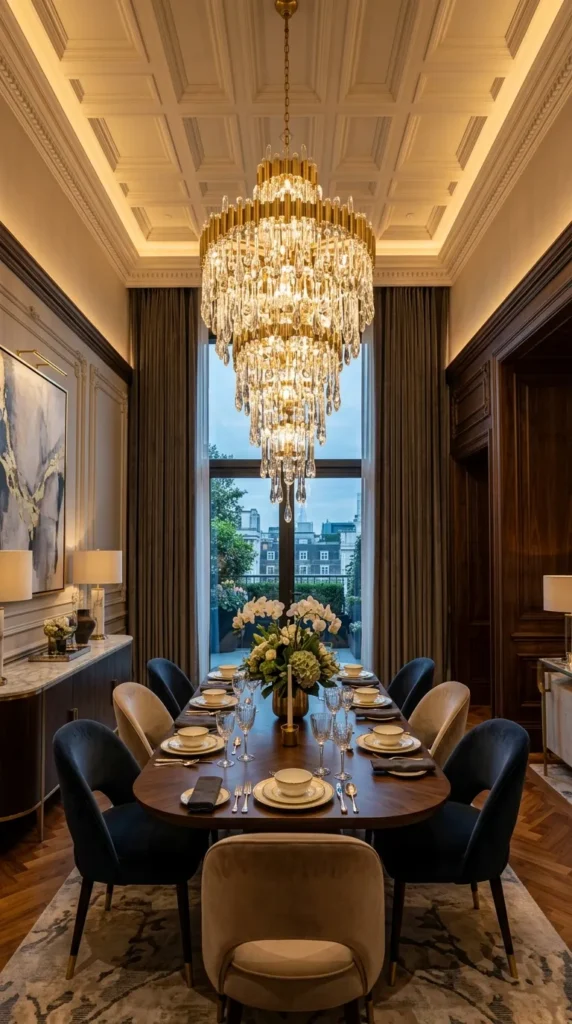
A statement pendant light above the dining table does two things simultaneously. It provides the primary light source for the room and it acts as the visual anchor that everything else in the dining room organizes around. Getting the statement pendant right means the room has a clear focal point that gives it direction and intention.
The pendant should be proportional to the table beneath it. A small pendant over a large table looks timid and disconnected. A large pendant over a small table looks overwhelming. As a general guide the diameter of the pendant in inches should be roughly equal to the width of the table in feet multiplied by 12. A six foot wide table suits a pendant approximately 24 to 30 inches in diameter. The material of the pendant matters too. Rattan and natural materials add warmth. Brass and aged metal add sophistication. Smoked glass adds mystery. Choose based on what the room needs rather than what is currently fashionable.
Complete your lighting design with these 21 Ways to Style a Round Dining Table for a beautifully balanced dining space.
5. Add Wall Sconces for Middle Height Warmth
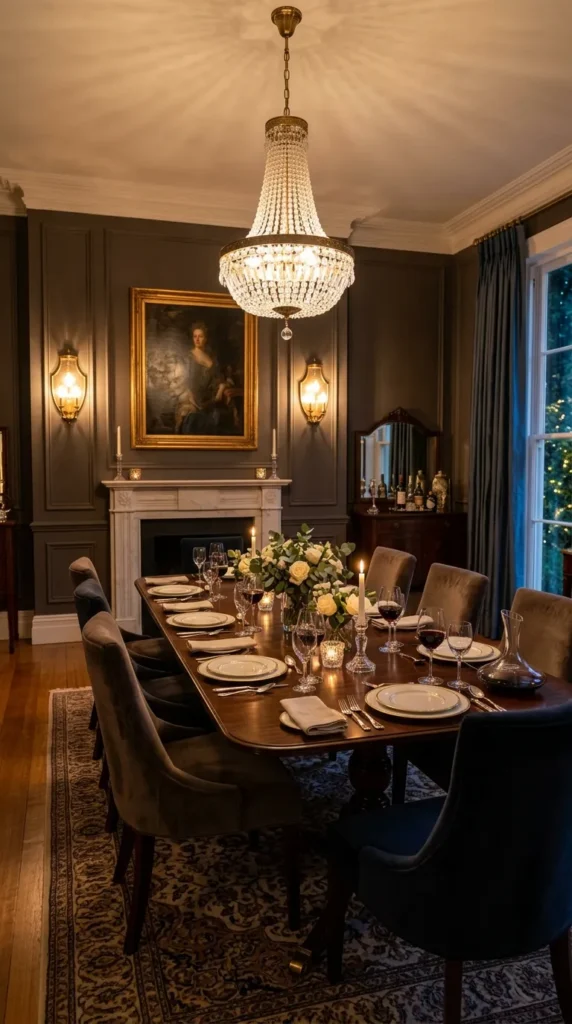
Wall sconces on either side of a dining room add warmth at a height that pendant lights and candles do not cover. The middle height of a sconce, roughly at eye level when seated, fills in the layer of the room that is most directly experienced by people sitting at the table and prevents the walls from receding into shadow while the table is brightly lit.
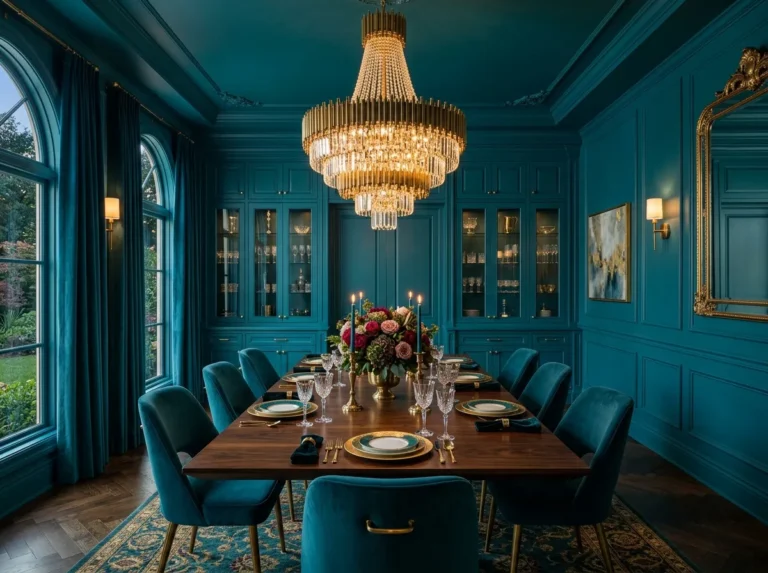
Sconces with warm bulbs and a shade that directs light upward and downward rather than directly outward create a gentle ambient warmth that makes the walls feel alive rather than dark and absent. Pair them with the metal finish of your pendant light for cohesion. Brass sconces with a brass pendant create a unified warm metallic quality throughout the room that feels considered and complete.
6. Layer Candles at Multiple Heights on the Table
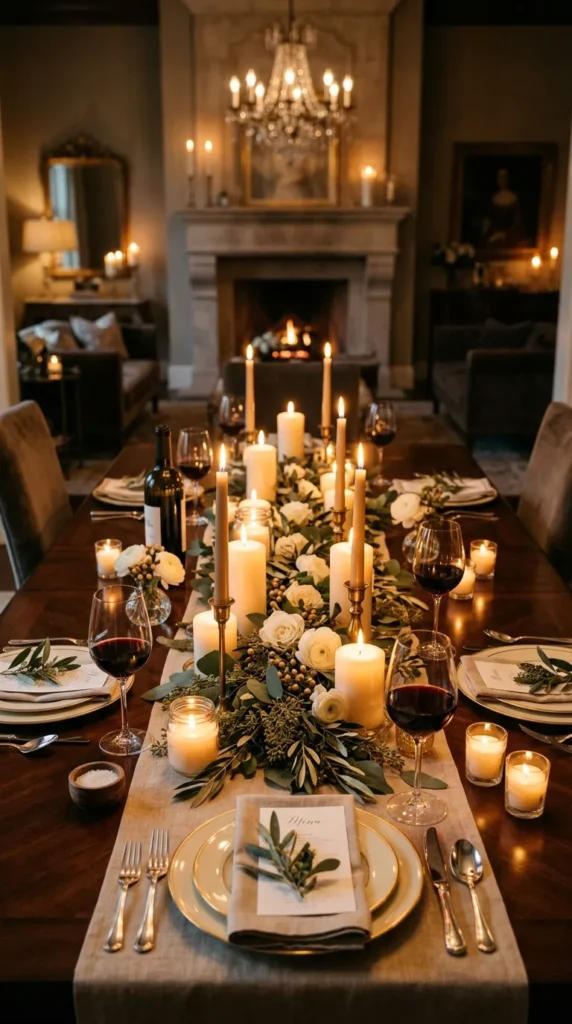
Candles are not a supplement to electric dining room lighting. In the right arrangement they are a primary atmospheric tool that creates a quality of light that no electric fixture can replicate. The flickering quality of candlelight creates moving shadows and shifting warmth that makes a dining room feel genuinely alive during a meal.
Layering candles at multiple heights creates the most effective result. Tall taper candles in brass holders at the back of the center arrangement. Medium pillar candles on small plates or stands in the middle. Tea light votives at the front and scattered across the table surface. Together the three heights create a lighting composition on the table that is warm, dynamic, and deeply flattering to everyone seated around it.
7. Consider a Chandelier for Rooms With High Ceilings
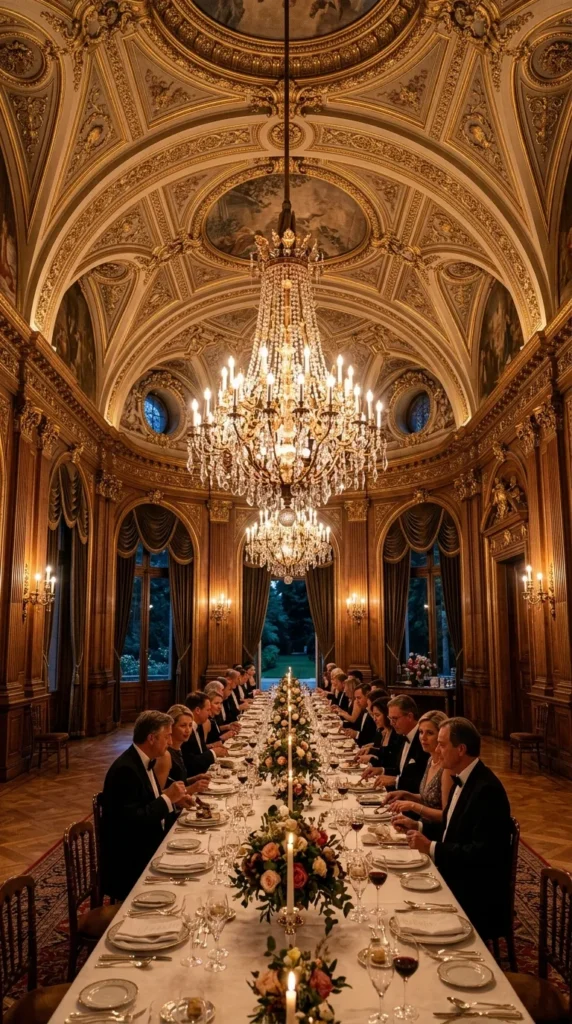
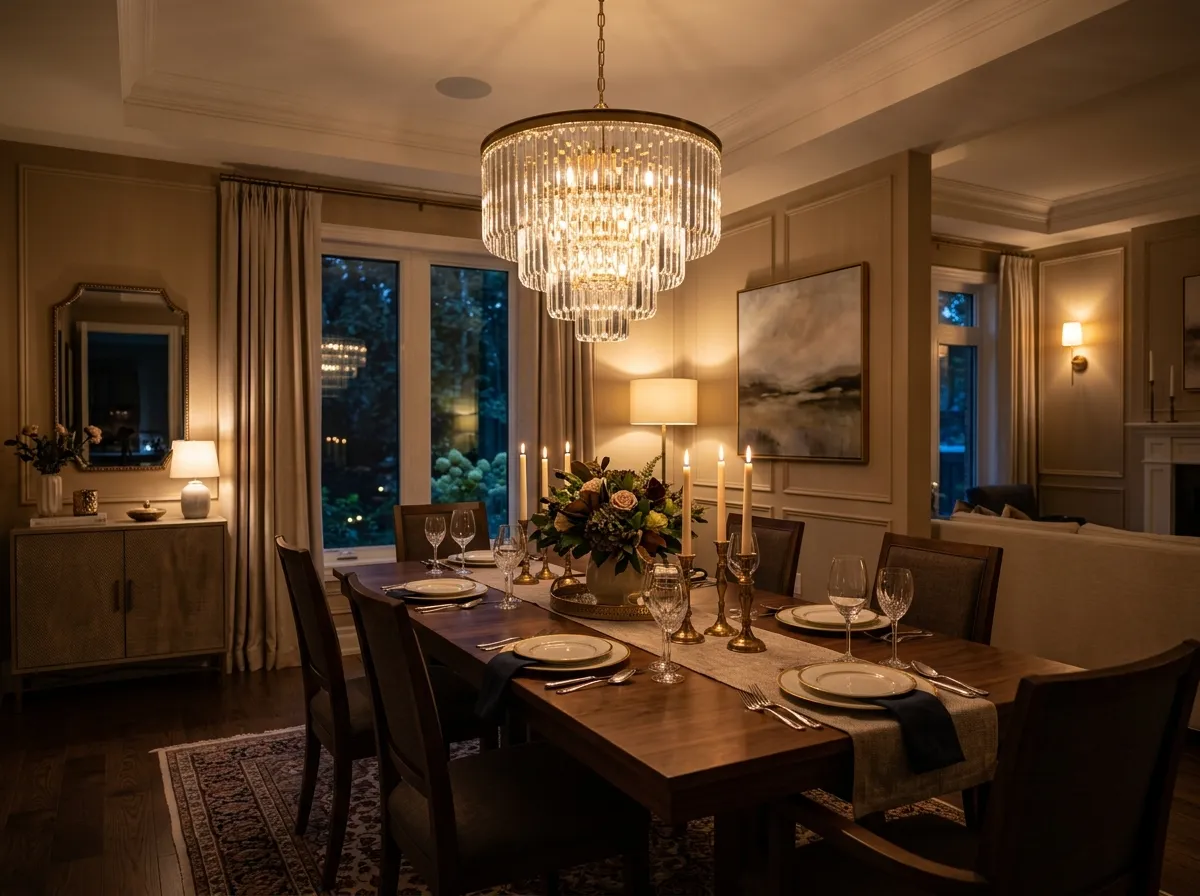
High ceilinged dining rooms have a specific lighting challenge because a single pendant hung at the correct height leaves a large volume of dark space between the fixture and the ceiling that makes the room feel abandoned above head height. A chandelier with multiple arms and bulb points fills vertical space with light and visual interest in a way that a single pendant cannot.
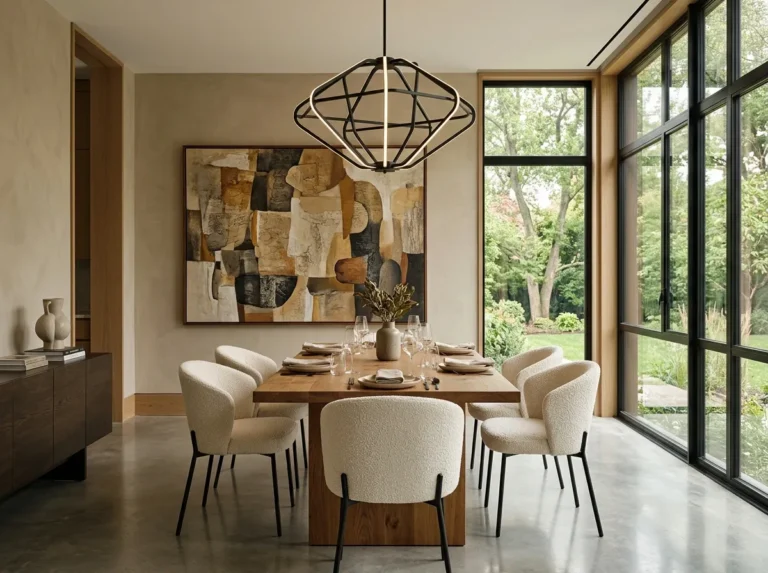
A chandelier does not have to be traditional or ornate to work in this context. Contemporary chandeliers in simple geometric forms, natural materials, or industrial metal create the same vertical light distribution as traditional crystal versions while suiting more modern dining rooms. The key is that the fixture has presence at multiple heights simultaneously rather than concentrating all its light at a single point.
8. Try a Cluster of Pendants Instead of One Large Fixture
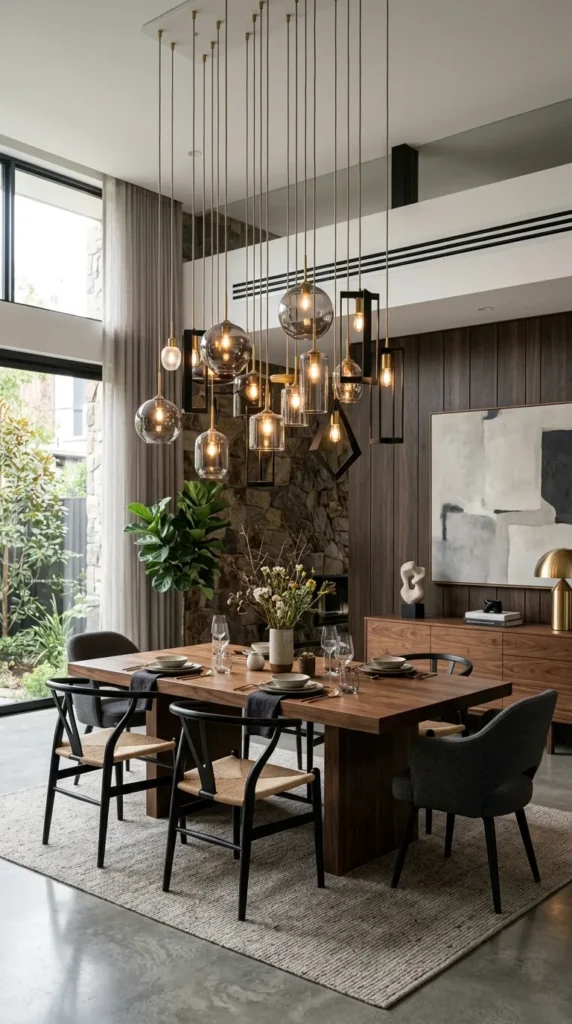
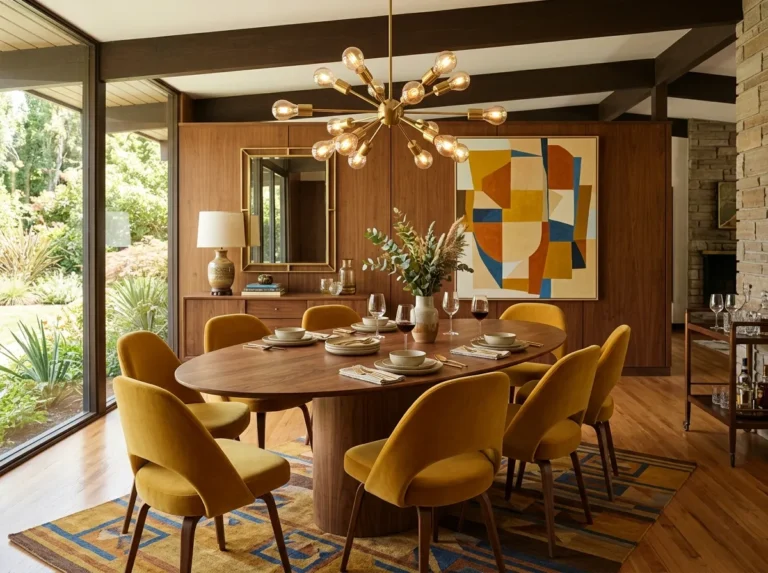
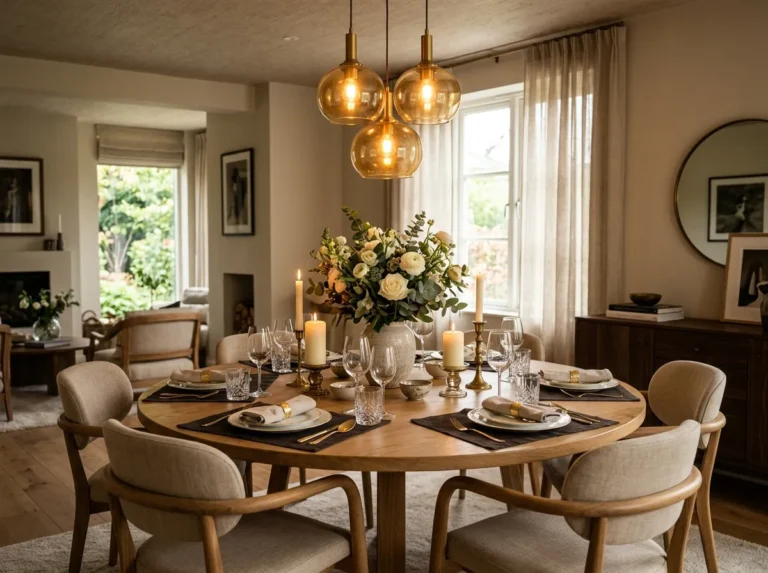
A cluster of three to five individual pendants hung at varying heights above the dining table creates a lighting arrangement with more visual interest and more flexibility than a single large pendant. The varying heights create movement and the multiple light points illuminate the table more evenly than one central source.
Pendants in the same family but slightly different sizes create a collected quality that looks considered rather than matched. All glass pendants in slightly different forms, or all rattan pendants of different diameters, create cohesion with variation that a single pendant cannot achieve. The cluster approach also solves the problem of choosing between a pendant large enough to anchor a big table and a pendant scaled to fit a smaller space by using multiple smaller fixtures to achieve the combined visual weight.
9. Place Floor Lamps in Dining Room Corners for Softness
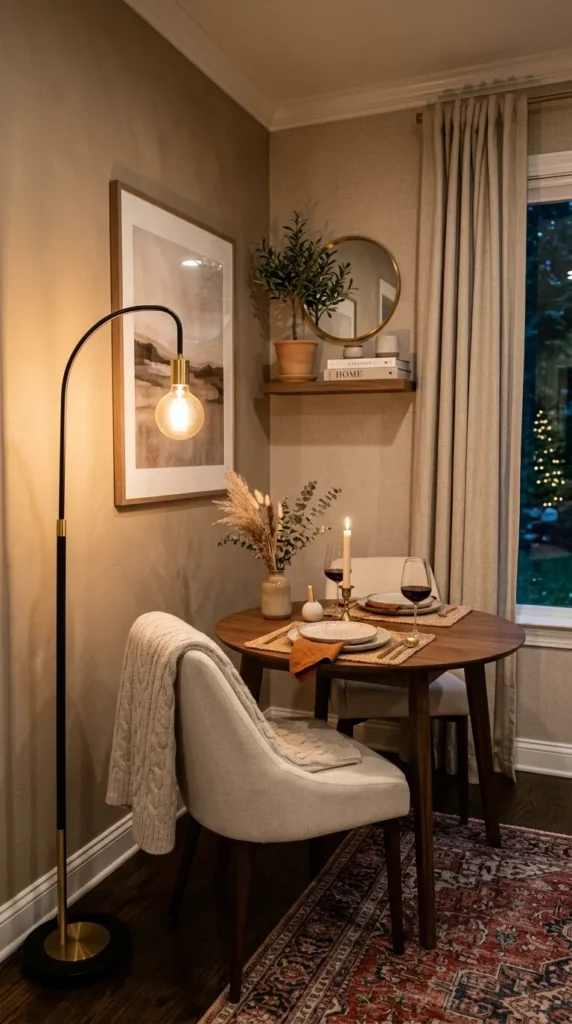
Floor lamps in the corners of a dining room add a layer of ambient warmth at a height and position that wall sconces and table candles do not cover. The corner placement means they illuminate the room edges rather than the center which creates a depth of light across the whole space rather than a bright center with dark walls.
A floor lamp with a warm fabric shade in a dining room corner creates a quality of light that makes the room feel more like a living space and less like a purely functional eating area. It softens the distinction between the lit table and the surrounding room which creates a more comfortable and intimate atmosphere for longer meals and gatherings. The addition of a floor lamp to a dining room that previously only had an overhead fixture is one of the fastest ways to improve the overall atmosphere without touching the fixed lighting.
10. Use Adjustable Track Lighting for Flexible Control
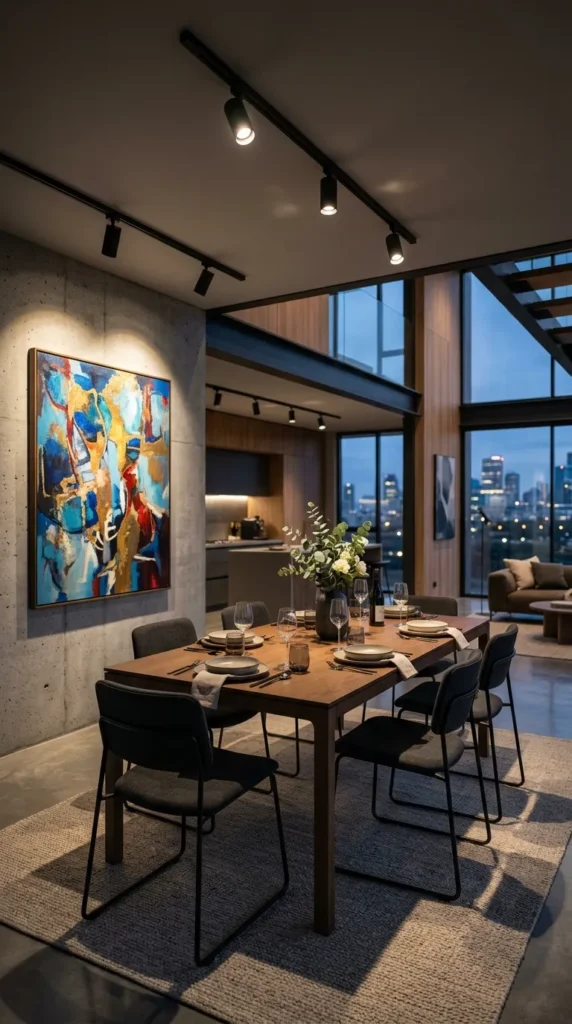
Track lighting in a dining room allows individual spotlights to be aimed at specific areas, the table center, a piece of artwork, a sideboard, or a display shelf, which creates a lighting arrangement with multiple focal points rather than one. The individual spots can be adjusted as furniture is rearranged or as different uses of the room require different lighting priorities.
Contemporary track lighting systems are far more refined than the utilitarian versions associated with retail spaces. Slim track systems in brass or matte black with adjustable spot heads create a sophisticated and flexible dining room lighting solution that suits rooms used for multiple purposes beyond just eating. The key with track lighting in a dining room is keeping the bulb color temperature consistently warm across all heads so the multiple light sources feel unified rather than competing.
11. Light Artwork and Sideboards With Picture Lights
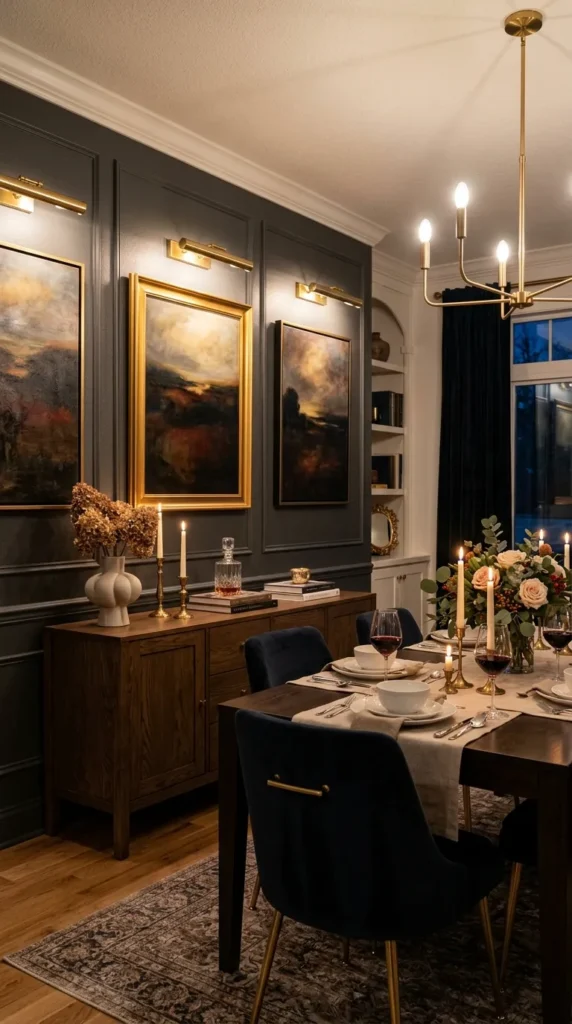
Picture lights mounted above artwork and small directional spotlights aimed at a sideboard add layers of accent lighting to a dining room that create depth and visual interest beyond the primary table illumination. When the walls have lit elements the room feels more complete and more inhabited than when all the light is concentrated at the table.
A picture light above a large piece of dining room artwork creates a gallery quality that makes the art feel significant and deliberate. A small directional spotlight aimed at a sideboard display makes decorative objects look considered and beautiful. These accent lights work best when they are warm in temperature and relatively low in brightness because they are meant to add warmth and depth rather than illuminate for practical purposes.
Love clean retro-inspired interiors? Explore 16 Ways to Do Mid-Century Modern Dining for timeless dining room inspiration.
12. Consider Recessed Lighting on Dimmers Around the Perimeter
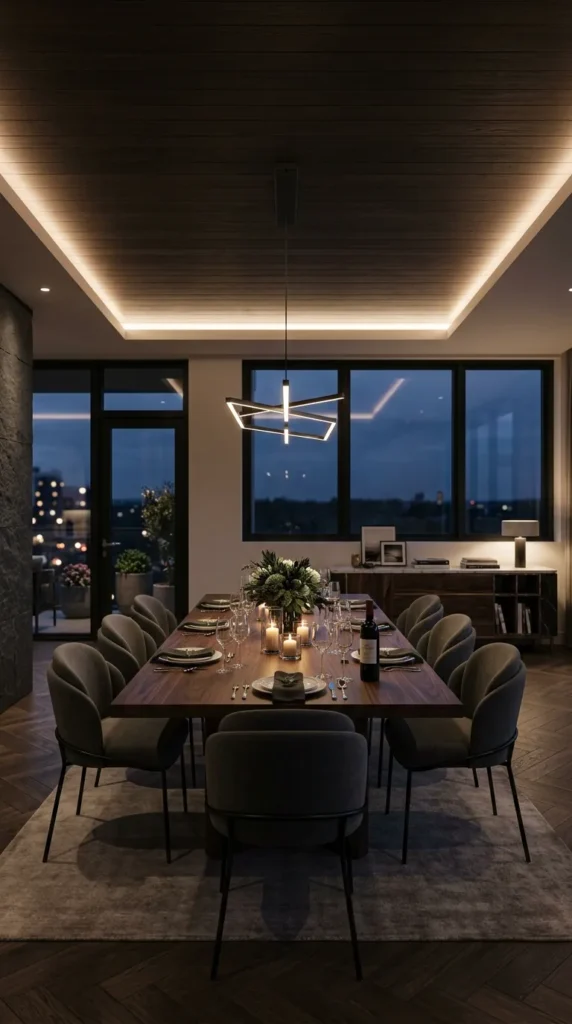
Recessed lighting installed around the perimeter of a dining room ceiling rather than directly overhead creates ambient light that bounces off the walls and ceiling before reaching the table level. This indirect quality is softer and more flattering than direct overhead light and creates a room that feels warmly lit throughout rather than harshly bright in the center.
Perimeter recessed lights on a separate dimmer circuit from the pendant above the table gives complete control over how the two light sources balance against each other. Pendant bright and perimeter low for intimate dinners. Both at medium for family meals. Perimeter brighter for setting up and clearing. The flexibility of two separately controlled circuits transforms the range of atmospheres available in one dining room without requiring multiple fixtures or complicated switching.
13. Match Your Light Fixture Metal to Your Hardware
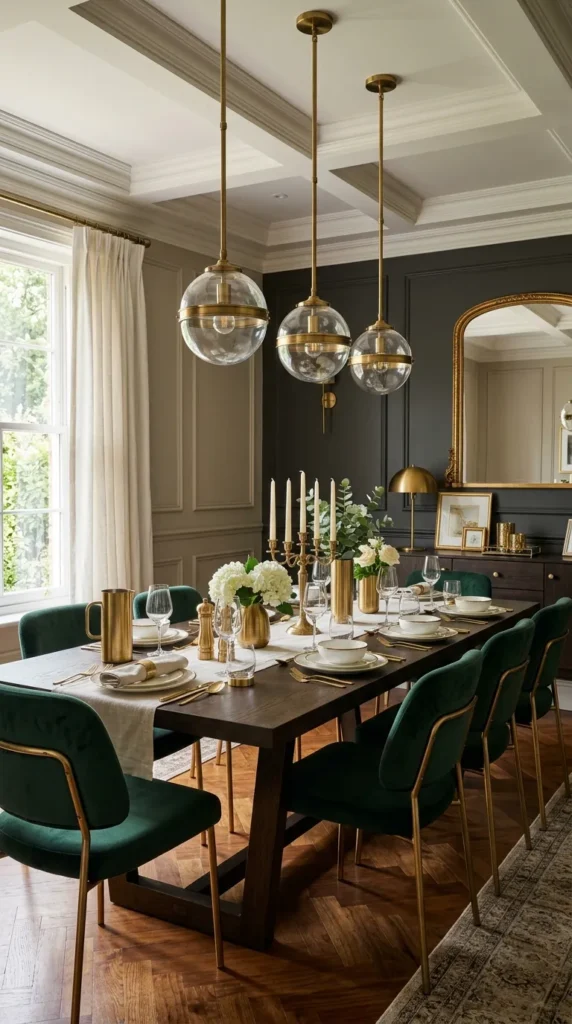
Cohesion in a dining room lighting scheme comes partly from matching the metal finish of your light fixture to the other metal elements in the room. When the pendant, the door handles, the picture frames, the candlestick holders, and the cabinet hardware all share the same metal finish the room feels designed rather than assembled.
Brass is the warmest and most flattering metal for dining room lighting because it reflects warm light back into the room rather than absorbing it. Matte black creates a more contemporary and graphic quality. Aged nickel creates a softer and more traditional version of silver. Whichever finish you choose, extending it consistently through the room turns individual lighting decisions into a coherent scheme that feels intentional from every angle.
14. Use Battery Powered Candles for Everyday Atmosphere
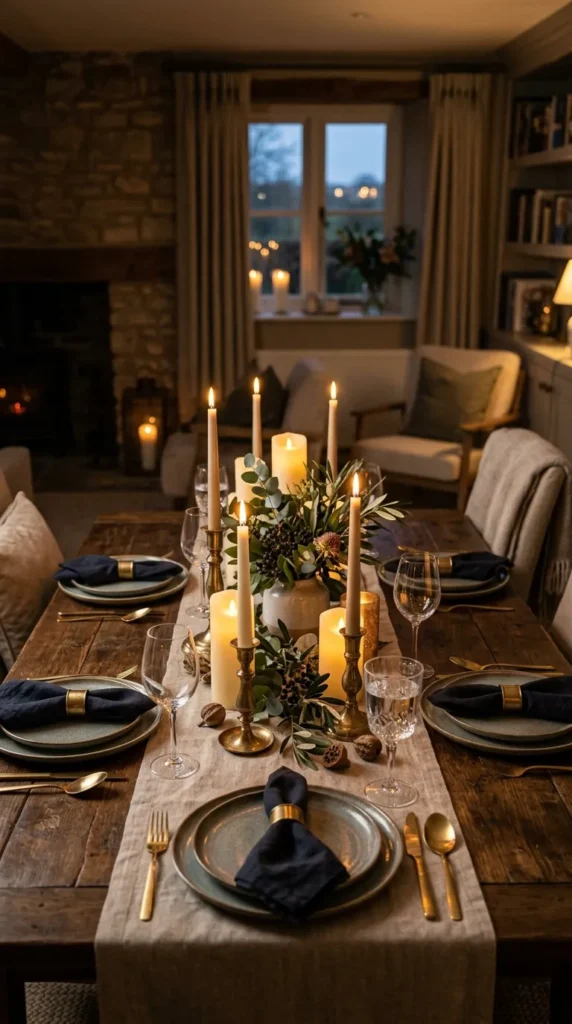
Real candles require attention and create a small amount of practical effort that prevents most people from using them every night. Battery powered flameless candles in good quality wax with realistic flicker modes create almost the same atmospheric quality as real candles without the need to light them, monitor them, or extinguish them.
Place them in the same positions you would use real candles, in brass holders at varying heights in the center of the table, and turn them on with a remote at the start of every meal. The nightly ritual of turning on the candles at dinnertime creates a routine that signals to everyone at the table that the meal is worth paying attention to. This small repeated action does more for the atmosphere of everyday dining than any fixture change because it happens every single night rather than only on special occasions.
15. Try Edison Bulbs for Visible Warm Filaments
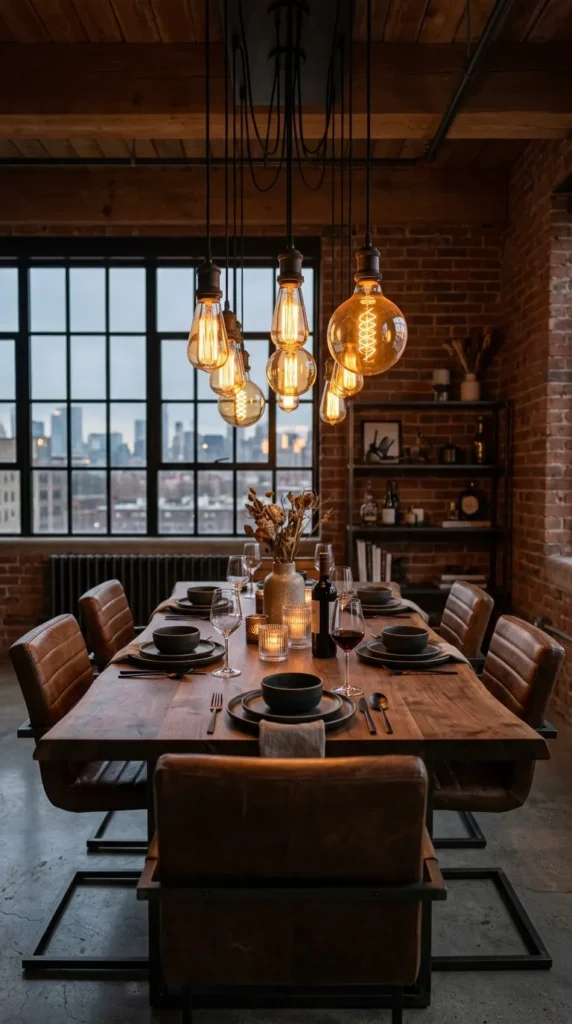
Edison bulbs with visible warm filaments create a quality of light that is different from standard bulbs because the filament itself becomes a visual element rather than just a light source. In a clear glass pendant the glowing filament adds warmth and character to the fixture that a frosted or opaque bulb conceals.
Edison bulbs work best in pendant styles where the bulb is visible, either exposed or behind clear glass, because the filament only contributes visually when it can be seen. They are available in a range of color temperatures but always choose the warmest available version, typically 2200K to 2400K, for the most candlelike and atmospheric quality. The visible filament also creates a gentle point of focus in the ceiling area above the table that adds to the overall warmth of the room even when you are not consciously looking at it.
16. Light the Space Under Floating Shelves or Cabinets
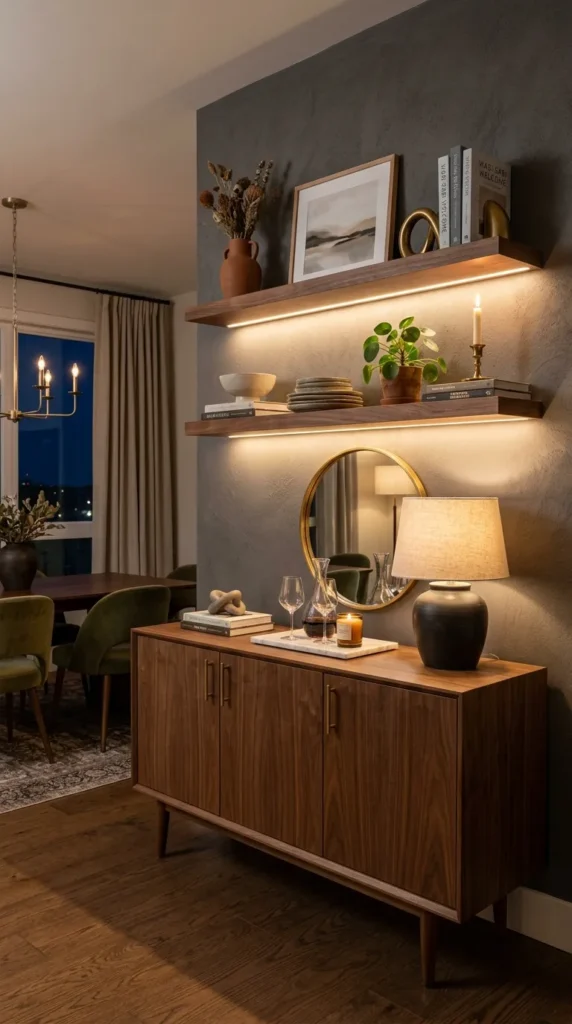
If your dining room has floating shelves, a built in cabinet, or a sideboard with an overhead shelf, adding small LED strip lights underneath creates a layer of warm accent lighting at a height that no other fixture covers. The underlit shelf creates a glow along the lower wall that warms the room from a completely different direction than overhead sources.
LED strip lights in 2700K warm white installed under a floating shelf above a sideboard create a display area that looks genuinely beautiful in the evening. Objects on the sideboard are gently illuminated from above while the light spills softly down the wall below the shelf. This is a small and inexpensive addition that adds a surprising amount of depth and warmth to a dining room that previously had all its light concentrated at the ceiling.
17. Create a Pre Dinner Lighting Ritual That Signals the Meal
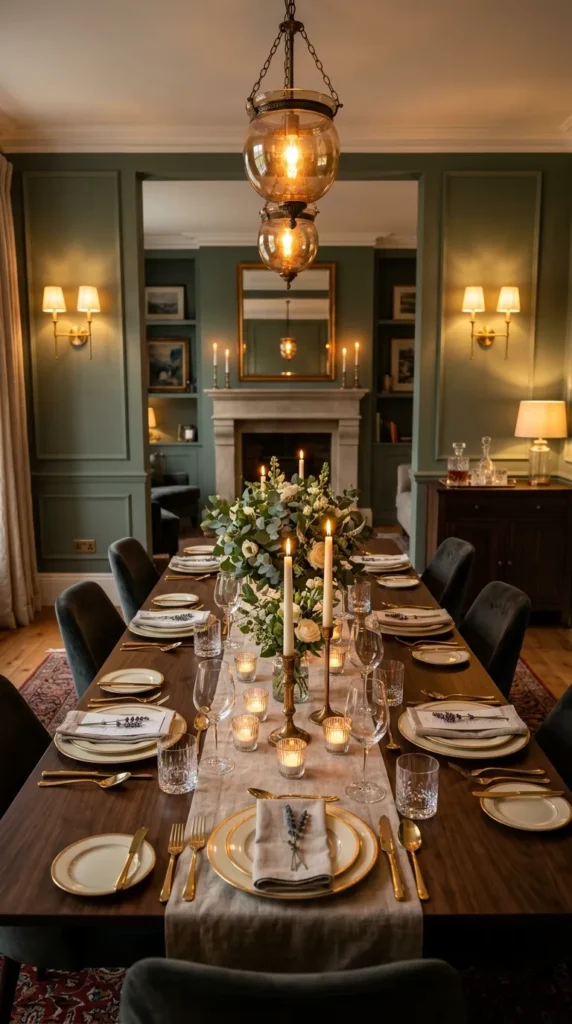
The most underrated dining room lighting idea is not a fixture or a bulb or a switch. It is a ritual. Deciding deliberately what the lighting looks like before every dinner and taking two minutes to set it the same way each time creates a routine that signals to everyone in the household that the meal is beginning and worth being present for.
Dim the pendant to the evening setting. Turn on the sconces. Light the candles or switch on the flameless versions. Lower the floor lamp if you have one. The whole process takes less than two minutes and the cumulative effect of doing it every evening is that dinner in your house starts to feel like an occasion every single night rather than only when you have guests. Lighting is the fastest and most effective way to change the atmosphere of a dining room and a consistent ritual is the most effective way to use that power daily rather than reserving it for special events.
Final Thoughts
Getting dining room lighting right is not about spending more on fixtures. It is about understanding that lighting is an atmospheric tool as much as a practical one and making decisions accordingly. The dimmer switch, the bulb temperature, the pendant height, the candle layers, the wall sconces, the perimeter warmth. Each decision adds to the whole and the whole is what determines whether a meal in your dining room feels forgettable or genuinely worth having.
Start with the easiest fix first. If you have no dimmer, install one this week. If your bulbs are above 3000K, replace them today. If your pendant is hung too high, lower it on the weekend. Each small correction moves the room closer to the lighting it deserves and every meal eaten in it afterward will feel noticeably better for the change.